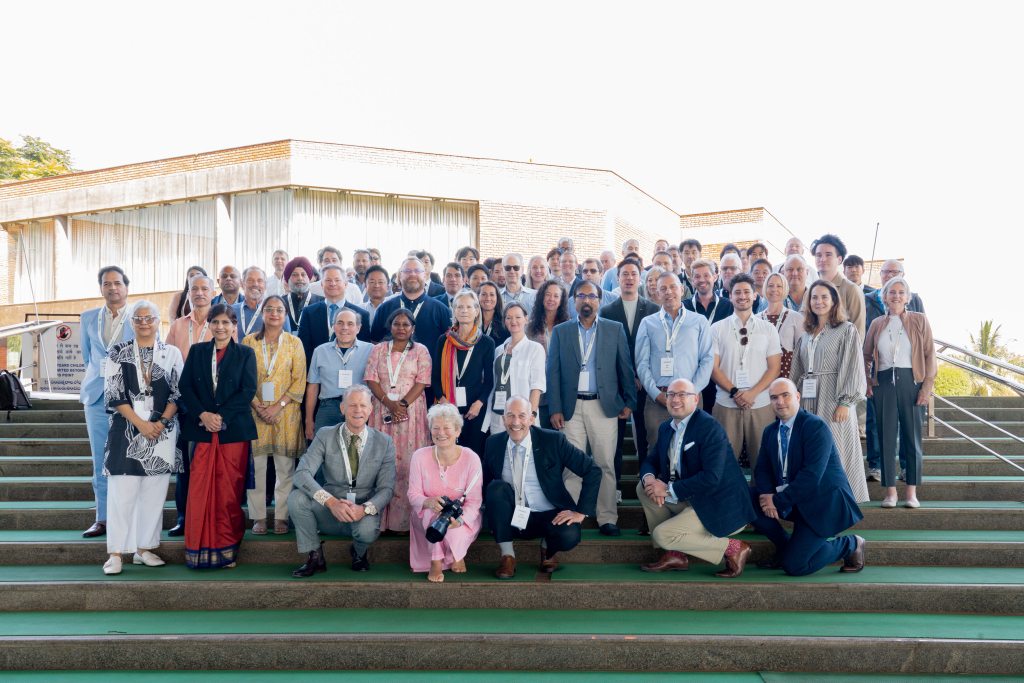

The annual IPAAC conference, held from 9 to 12 November in Hyderabad, India, focused on promoting mental health, psychological well-being, and peer support within the aviation industry. The programme brought together aviation professionals, regulators, medical experts, and peer support specialists to exchange knowledge and best practices. Key topics included the establishment and development of Peer Support Programmes (PSPs), the integration of mental health into Safety Management Systems (SMS), and the management of stress, fatigue, and substance use. Several presentations highlighted the importance of creating an open and supportive culture in which aviation professionals feel comfortable seeking help without fear of stigma. The conference also addressed regulatory developments and the implementation of peer support programmes across different regions and cultures. Particular attention was given to leadership challenges, resilience, cognitive fitness, and the role of mental health in maintaining operational safety. An important topic was the use of Artificial Intelligence (AI) in peer support, which was discussed in both a practical workshop and an expert panel. The discussions explored the potential benefits of AI, such as improved accessibility, additional support opportunities, and more efficient information processing, as well as its limitations and risks, including data privacy, reliability, lack of human empathy, and the importance of trust. The conference concluded with discussions on lessons learned, participant feedback, and future priorities, emphasising that technology can support peer support systems but should not replace human interaction and professional judgement. Overall, the conference reinforced that mental health and well-being are essential elements of aviation safety and require continuous cooperation and commitment from the entire aviation community.
Special thanks to Cristian Panait for bringing his expertise and dedication to EASA’s engagement in the conference. His contribution helped connect technical discussions with practical experience and encouraged valuable exchanges with Indian counterparts and the wider aviation community.