
 |
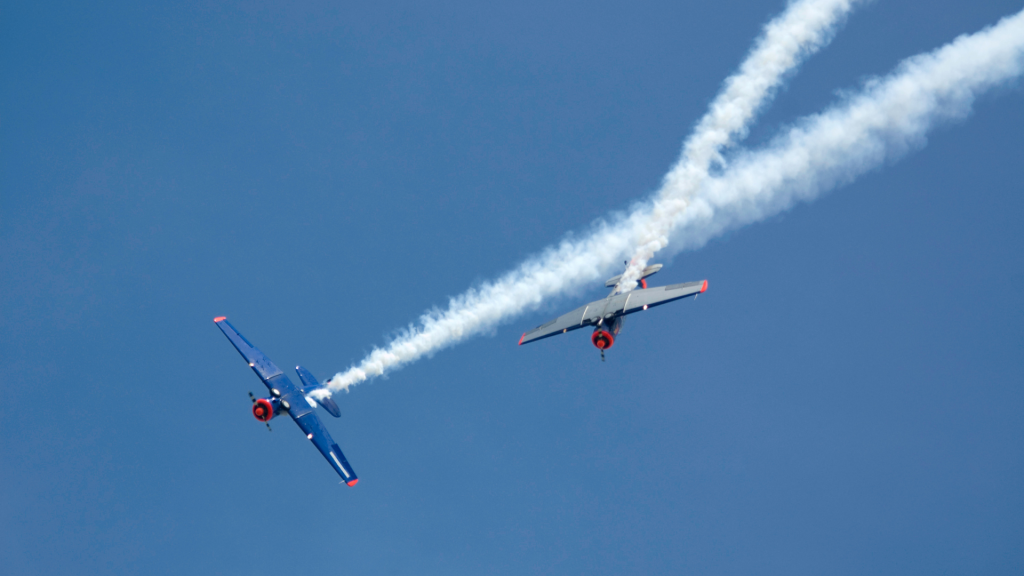 |
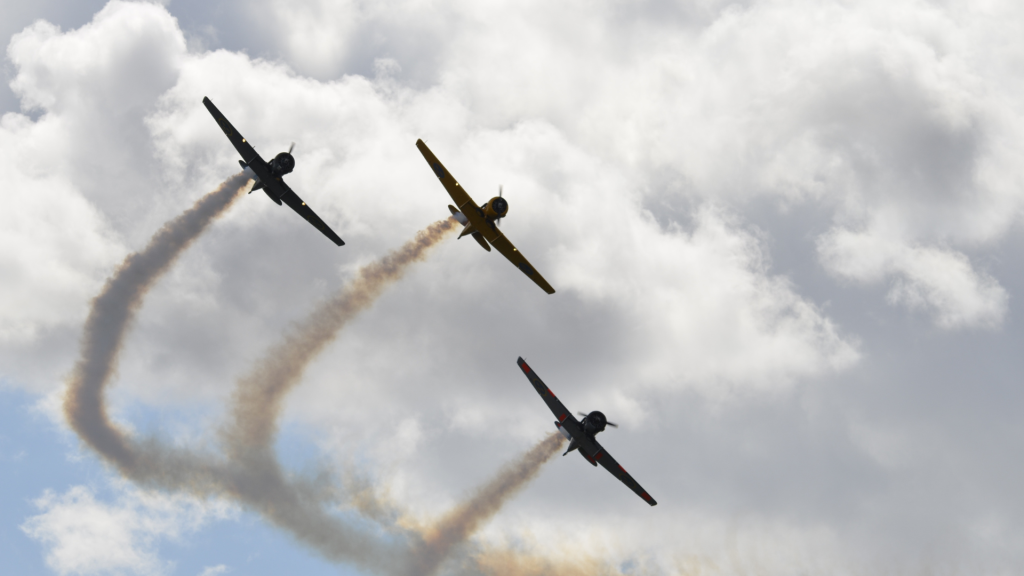
Flight displays are one of the most visible and inspiring parts of aviation. They demonstrate aircraft capabilities, showcase pilot skill, and help engage the public with the aviation community.
Whether performed at major airshows, local aviation events, or community fly-ins, flight displays carry unique risks. Pilots often operate closer to the limits of aircraft performance while maintaining precise positioning, timing, and situational awareness. At the same time, organisers and pilots must ensure the safety of spectators, other airspace users, and people on the ground.
The best displays are not only exciting to watch — they are disciplined, planned, and flown with clear margins.
The Flight Displays Safety Guide
To support display pilots and the wider aviation community, EASA and its collaborative partners have developed the Flight Displays — The Pilot's Safety Guide.
The guide provides a practical checklist-based approach to display flying, highlighting key areas that pilots should consider before, during and after a display. It is intended as a safety promotion resource and a reminder of good practices rather than a substitute for national requirements, approvals, authorisations, or formal training.
The guide covers: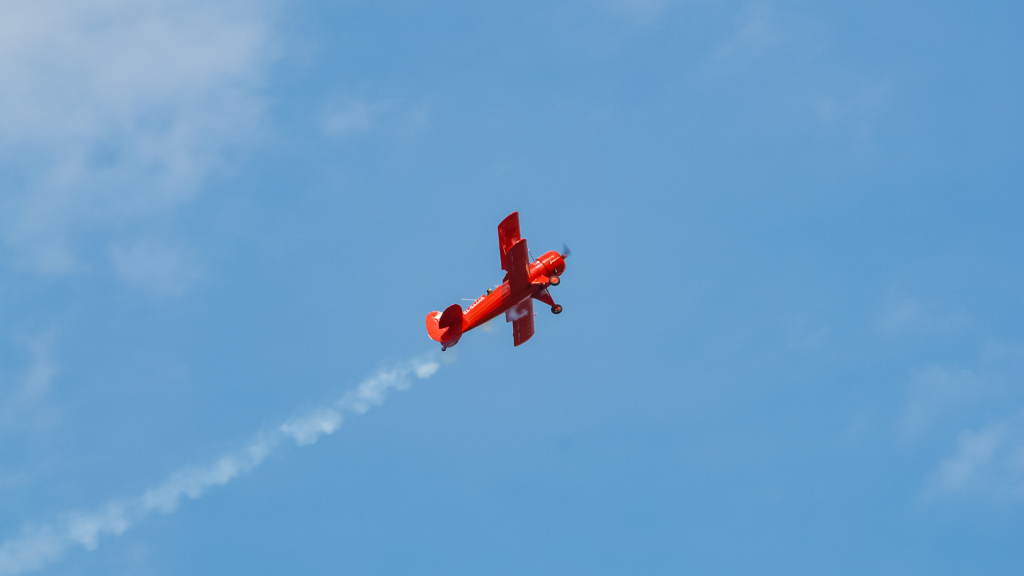
- Meticulous planning and display preparation
- Display design and rehearsal
- Pilot qualification, fitness and proficiency
- Aircraft preparation and airworthiness
- Weather, environmental conditions and density altitude
- Energy management and safety gates
- Situational awareness and communication
- Continuous improvement through feedback and learning
Key Safety Principles
| Start With a Solid Plan | A good display starts well before engine start. Take the time to understand the display area, crowd line, local procedures, airspace restrictions, weather conditions, and emergency options. The better the plan, the more capacity you keep available in the cockpit. |
| Build the Display Around Your Margins | A safe and impressive display is not about flying close to the edge. It is about knowing where the edge is and building clear margins around it. The routine should remain within the aircraft’s limitations and within the pilot’s current level of proficiency, currency and confidence on the day. |
| Prepare for the Unexpected — Always Have a Way Out | Weather conditions, aircraft performance, traffic, and operational circumstances can change rapidly. Clear escape manoeuvres, safety gates and decision points help you adapt, simplify or stop the display before the situation starts to manage you. |
| Think Beyond the Crowd Line | Display safety is not limited to the primary audience. Secondary spectators, nearby roads, congested areas and members of the public outside the designated viewing area all need to be part of the plan. The aim is to protect everyone, not only those inside the event boundary. |
| Keep Learning from Every Display | Every display provides an opportunity to learn. Constructive feedback, honest self-assessment and open discussion with trusted peers help pilots continuously improve and refine their performance and maintain high safety standards over time. |
| Regulatory Framework |
There are currently no harmonised European rules specifically dedicated to flight display flying. Depending on the operation, display flying may be conducted under the applicable provisions of:
Many Member States have specific requirements for display authorisations, pilot qualifications, display approvals and safety distances. Pilots should always ensure they understand and comply with the requirements applicable in the State where the display is taking place. |
The "Flight Displays — The Pilot's Safety Guide" is available for download on this page.
This practical guide provides display pilots with a concise seven-step safety checklist covering preparation, execution and continuous improvement.