
Aviation’s transition toward a more sustainable future is often associated with new technologies such as Sustainable Aviation Fuels (SAF), hydrogen propulsion, or electric aircraft. However, significant environmental improvements can already be achieved through the way aircraft are operated today.
Operational practices — from how pilots plan fuel to how aircraft climb and descend — can reduce fuel burn, emissions, and noise while maintaining safety and operational efficiency. For this reason, operational efficiency is considered one of the key pillars of aviation’s environmental strategy, alongside new aircraft technology and sustainable fuels.
These improvements involve pilots, airlines, air traffic management, training organisations, and regulators working together to optimise how aircraft are flown.
Environmental Flying for Pilots
Pilot s play an important role in improving aviation’s environmental performance. Many operational decisions, such as flight profiles, energy management and operational discipline, directly influence fuel consumption.
EASA promotes the concept of Environmental Flying, which integrates environmentally responsible operating techniques into pilot training and everyday operations. The goal is not only to teach new pilots about sustainability but also to embed these practices throughout the professional pilot community.
Environmental flying focuses on:
- Efficient flight planning and fuel management
- Optimised climb, cruise, and descent profiles
- Avoiding unnecessary drag or energy loss
- Reducing noise and emissions during operations
- Understanding how operational choices affect environmental impact
By incorporating environmental considerations into pilot training and airline procedures, pilots can contribute to reducing fuel burn and emissions while maintaining safe and efficient operations.
Smarter fuel and energy management
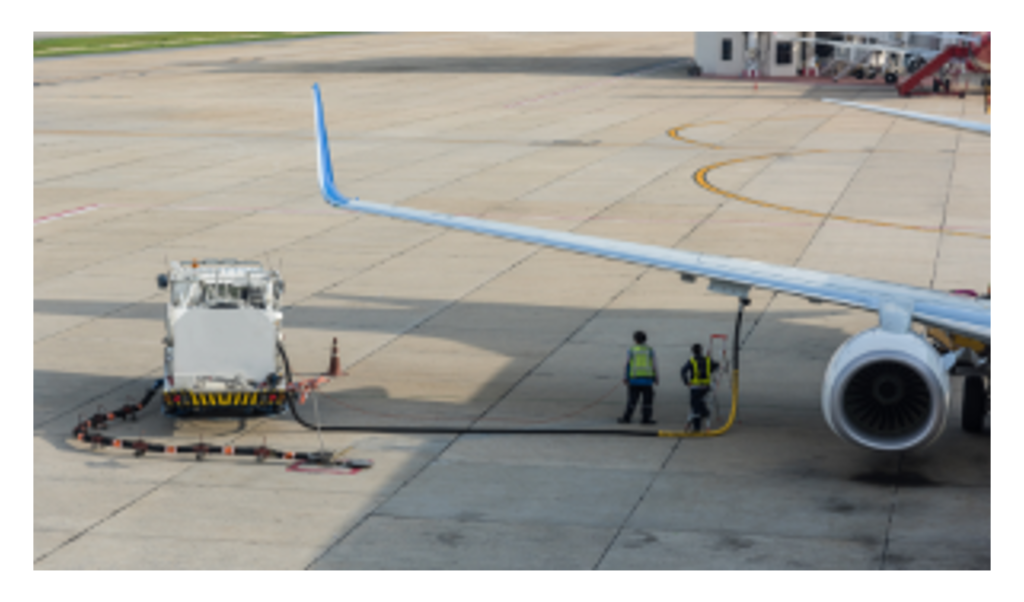
Fuel planning has traditionally focused on ensuring that aircraft carry enough fuel to safely complete the flight and handle contingencies. EASA’s updated fuel/energy management rules modernise this approach by introducing more flexible and performance-based fuel schemes.
The rules introduce three fuel planning schemes:
- Basic fuel scheme
- Fuel scheme with variations
- Individual fuel scheme
These schemes allow operators to tailor fuel planning to their specific operations and performance data while maintaining appropriate safety margins. The approach supports better operational efficiency and can reduce unnecessary fuel carriage, which in turn reduces fuel burn and emissions during flight.
Carrying more fuel than necessary increases aircraft weight, which increases fuel consumption. Optimised fuel planning therefore improves both operational efficiency and environmental performance.
Continuous climb and descent operations
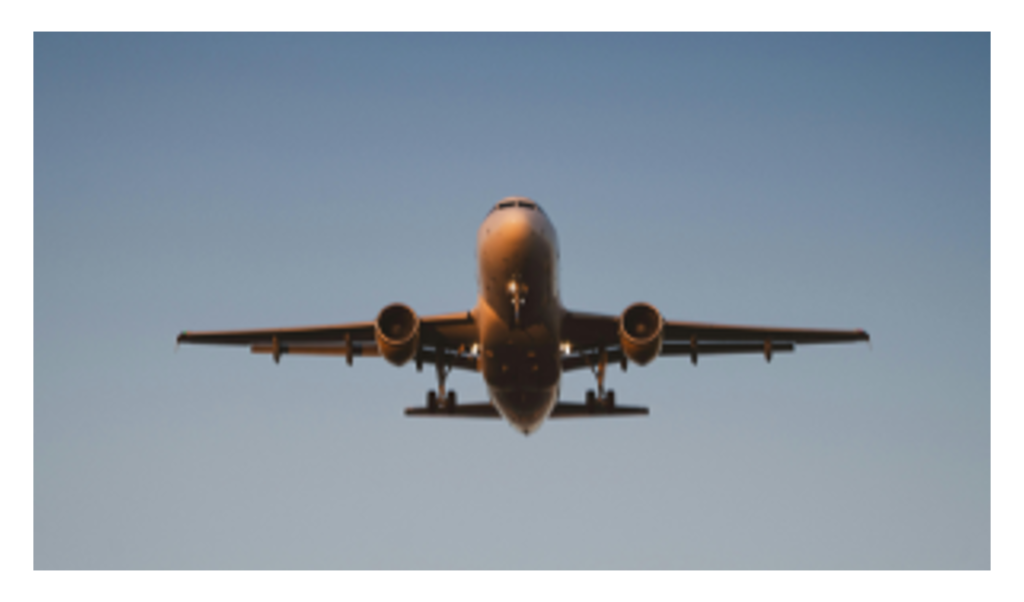
One of the most effective operational techniques for reducing fuel burn is to minimise level-off segments during climb and descent.
Continuous Climb Operations (CCO) and Continuous Descent Operations (CDO) allow aircraft to follow smoother flight profiles with fewer interruptions. These techniques enable aircraft to climb or descend using optimum thrust and speed profiles, reducing fuel burn, emissions, and noise.
For example:
- In a continuous climb, aircraft maintain an optimal climb profile rather than repeatedly levelling off due to airspace restrictions.
- In a continuous descent, aircraft descend from cruise using near-idle thrust rather than descending in multiple steps.
These procedures can significantly improve environmental performance while also reducing noise around airports.
Studies show that continuous descent approaches can save tens of kilograms of fuel per flight for narrow-body aircraft, with larger aircraft saving even more.
However, the implementation of these procedures depends on coordination between air traffic management, airports, and airlines.
More efficient air traffic management
Operational efficiency also depends heavily on the structure of airspace and the way flights are managed.
Modern air traffic management initiatives aim to allow aircraft to fly more direct and optimal trajectories, reducing both fuel burn and emissions. For example, improvements in air traffic management and airspace design are expected to significantly reduce CO₂ emissions per flight in the coming decades.
Examples of operational improvements include:
- Free Route Airspace (FRA) allowing aircraft to plan more direct routes
- Improved trajectory management
- Data-driven air traffic management systems
- Better coordination between airlines and air navigation service providers
- More effective CIV-MIL coordination and application of flexible use of airspace (FUA) principles
These improvements allow airlines to avoid unnecessary detours, reduce holding patterns, and optimise flight paths.
Operational discipline makes a difference
While new technologies are essential for the long-term decarbonisation of aviation, operational improvements are available today and can deliver immediate environmental benefits.
Examples of operational practices that support greener aviation include:
- Optimised climb and descent profiles
- Efficient speed management
- Minimising unnecessary taxiing time
- Reducing excess fuel carriage
- Improved flight planning and route optimisation
- Enhanced coordination between pilots and air traffic control
Many of these measures require no new aircraft technology, only improved procedures, training, and operational awareness.
A shared responsibility
Improving the environmental performance of aviation is not the responsibility of a single stakeholder. It requires coordinated action across the entire aviation system:
- Pilots applying efficient operating techniques
- Airlines implementing fuel efficiency programmes
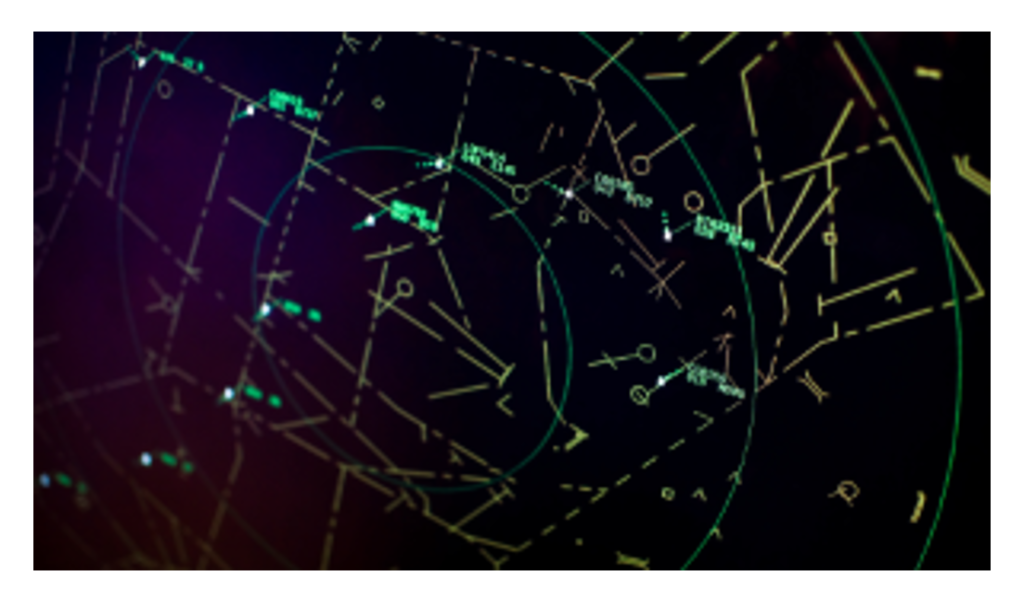
- Air traffic management enabling efficient flight paths
- Airports supporting efficient operations
- Regulators providing the regulatory framework and guidance
Together, these operational improvements form an important part of aviation’s pathway toward a more sustainable future.