
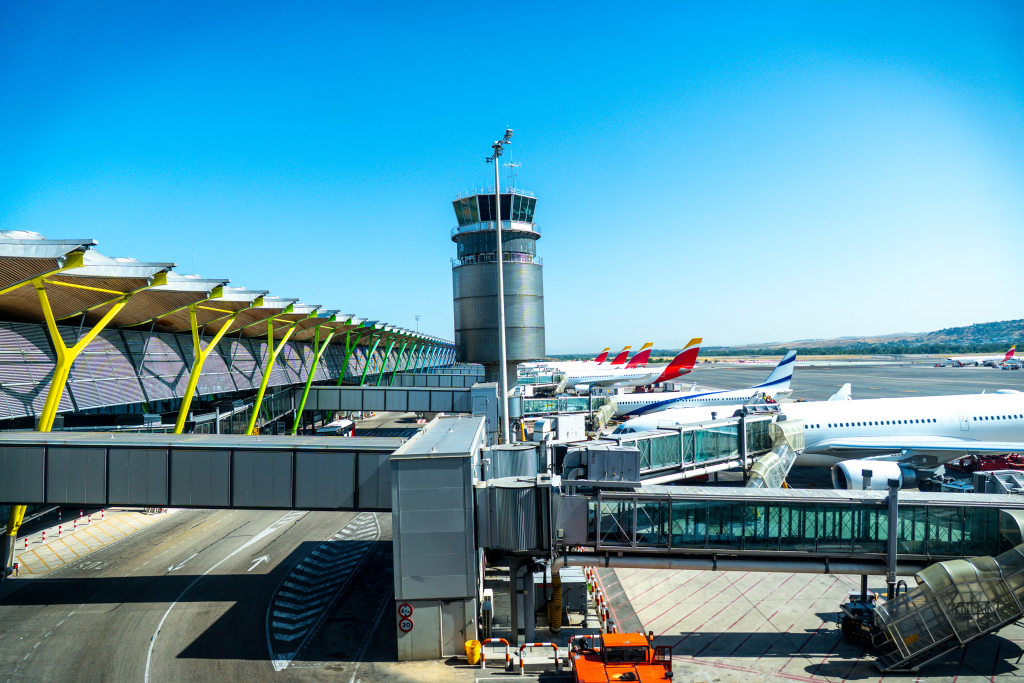
For a passenger the concept “ramp inspection” might not mean much. But aircraft operators know it’s a part of the business. Ramp (the term for the aircraft "parking lot") refers to the fact that those inspections are performed on the ramp immediately following the arrival and/or just before departure of an aircraft.
What is a ramp inspection?
A ramp inspection is an on-the-spot assessment that identifies immediate safety concerns to national aviation authorities and provides data for further analysis by EASA. Based on this analysis, trends and structural safety concerns are identified. Ramp inspections are carried out while the aircraft is on the ground between flights. The inspections focus, among others, on the aircraft documents and manuals, flight crew licenses, the apparent condition of the aircraft and the presence and condition of mandatory cabin safety equipment. These inspections are performed by inspectors from the national aviation authorities.
EASA coordinates the programme across the participating states (EU and non-EU), ensuring that inspections follow a common standard. However, the inspections themselves are carried out by each country’s national aviation authority.
This harmonised approach means that no matter where an aircraft lands, inspections are performed in a similar manner.
What are the inspectors checking?
Ramp inspections follow a standardised checklist used across all countries that participate.
Inspectors focus on the condition of the aircraft and any visible technical issues, the aircraft documentation, such as certificates and manuals, flight crew licences, and the condition of mandatory cabin safety equipment.
In some cases, additional checks can take place. For instance, alcohol testing of crew members. Depending on national procedures, crew members may also be tested for the presence of psychoactive substances.
Inspectors aim to minimise disruption and prevent delays; the cooperation between the inspectors and the crew plays an important role in efficiently performing the inspection.
Who is being inspected?
Any aircraft flying to or from a state participating in the programme may be subject to a ramp inspection. The EU Ramp Inspection Programme only covers ramp inspections performed on foreign aircraft operators, i.e. operators from a state other than the one conducting the inspection. Ramp inspections performed on national aircraft operators fall under the responsibility of the relevant national aviation authority and are not part of the EU Ramp Inspection Programme. So, in a practical example, an inspection of a Finnish operator on an airport in Spain falls under the EU Ramp inspection programme, while a ramp inspection of a Spanish operator in Spain does not.
Not as predictable as it seems
Unlike scheduled audits, ramp inspections happen at short notice. Aircraft operators are not informed in advance. This allows inspectors to see aircraft and crews in their operating environment, rather than in a prepared setting. It gives a picture of day-to-day operations.
Different findings belong to different categories
Not all findings are the same. Each issue identified during an inspection is classified based on its severity.
- Category 1 findings are minor and have a low impact on safety.
- Category 2 findings are more significant and require corrective action and feedback from the operator afterwards, but the flight can be resumed.
- Category 3 findings are the most serious and require corrections before the flight can be resumed and feedback from the operator afterwards.
The severity and the frequency of findings are considered by EASA in their data analysis and it might lead to aircraft operators requiring closer attention.

From the runway to a bigger picture
Every inspection of the EU Ramp Inspection Programme feeds into a shared database – the so-called ‘Ramp Inspection Tool’ – this tool provides national aviation authorities and operators alike the opportunity to communicate on past inspections and address the concerns raised during those inspections; it provides EASA the data for the analysis of individual operators and for the establishment of a bigger picture of trends and potential risks in various regions and worldwide.
Twice a year, EASA and representatives of national aviation authorities review the results of individual operators to determine whether they should be prioritised or not. The outcome of this review is also considered by the European Commission as input for the discussions on the EU Air Safety List. This review exercise also helps ensure that all states apply the same standards and learn from one another.
The EU Air Safety List
The EU Air Safety List is a list of commercial air carriers (passengers and cargo) that either do not meet international safety standards or are certified in states which are lacking certification standards and/or oversight performance by competent authorities. The carriers on the EU Air Safety List are banned from operating into, within and out of the EU – including overflying. Carriers that do not operate to the EU can also be put on this List, in order to protect the public travelling outside the EU about existing safety concerns.
The EU Air Safety List is not under EASA’s responsibility, it is governed by the European Commission (DG Move). However, the results of EASA’s Third Country Authorisation process and results of ramp inspections are important elements for the EU Air Safety List.
A system that goes beyond borders
Ramp inspections are not limited to the European Union alone. The programme includes participation from 50 states around the world – EU and non-EU states.
Taking part in the EU Ramp inspection Programme is obligatory for EASA Member States. EASA has Working Arrangements in place with non-EASA Members States who are part of the programme.
Regular meetings, called RICS (Ramp Inspection Coordination and Standardisation meetings), bring together experts to discuss common challenges and improvements of the Programme. In parallel, there is ongoing work to develop new tools and systems that aim to make data analysis and cooperation more efficient and reduce the burden of inspections on both the inspectors and the aircraft operators.