
EASA's work on aviation safety is very comprehensive and continuous; it doesn’t stop when an aircraft is certified and deemed safe to fly. That aircraft is going to perform thousands of flights over many years and sometimes, in the course of its operations, some safety issues might come up.
Such issues are often addressed via a safety publication known as an “Airworthiness Directive”. An Airworthiness Directive mandates actions to be performed on an aircraft to restore an acceptable level of safety, when evidence shows that the safety level of this aircraft may otherwise be compromised.
With that document, air operators worldwide that are flying affected aircraft are made aware of the potential safety issue and are required to take the necessary steps to fix it.
Note that while commercial aviation operations tend to be the most visible side of aviation, Airworthiness Directives can be directed at other types of aircraft such as helicopters, balloons, etc.
What’s in an Airworthiness Directive?
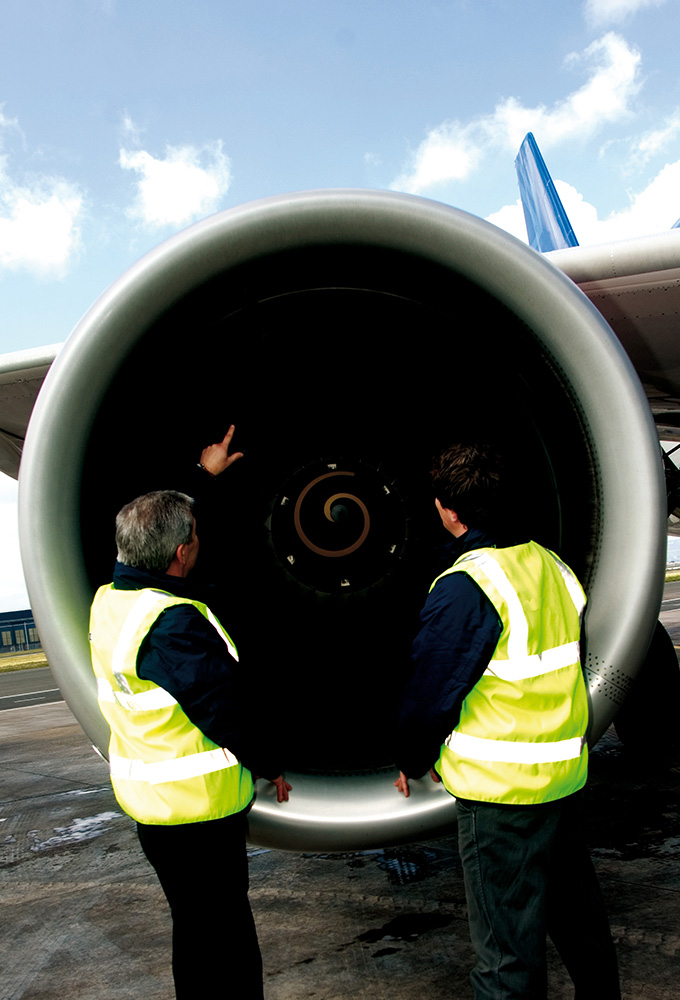 The document will describe the safety issue and the affected fleet. The two key parts are: the necessary corrective measures to take and the time to do it. The time given for compliance reflects the severity of the issue: the more time to comply, the lower the risk of a safety occurrence in the near future. Corrective measures could be as simple as updating a flight manual or a quick software update. More complex ones may involve extensive structural modifications.
Working together towards safety: what leads to an Airworthiness Directive
Safety is a joint responsibility shared by different aviation players. Aircraft operators need to report data about issues they might encounter during their operations. Normally they will make this report to the Type Certificate Holder, which, in simpler terms, is the company that developed that specific aircraft. The Type Certificate Holder will investigate the issue and, if it’s deemed to be a safety issue that could be replicated on another aircraft, they will inform and involve EASA, suggesting actions to be taken to address that issue. EASA will review that data, possibly require updates and, once the appropriate action is agreed, issue an Airworthiness Directive. If time allows, an Airworthiness Directive proposal will be available on the EASA website for consultation and comments (mainly by the industry and operators) for a period of time before the official publication.
Note that also other organisations (for example, maintenance organisations, production organisations, etc.) have obligations to report data, and the same issue can be reported several times by different organisations. All this information is reviewed and analysed and may eventually lead to an Airworthiness Directive.
EASA is responsible for issuing Airworthiness Directives with respect to products certified or validated by EASA. When the certification was carried out by another authority and validated by EASA, the Agency can adopt Airworthiness Directives issued by that other authority.
Emergency Airworthiness Directives
Sometimes EASA issues an Emergency Airworthiness Directive. As the name indicates, this is related to a safety issue that needs to be addressed in a much shorter period and, in this case, there is no consultation period. Normally, if the corrective measures need to be taken in less than 30 days, that’s an Emergency Airworthiness Directive.
At some point in your life you might have seen on the news that a certain type of aircraft was grounded, that is, forbidden to fly. That is extremely rare, but may be the only possible action if no corrective measures are available to address an identified safety issue in short time.
In most cases, Emergency Airworthiness Directives won’t lead to a grounding of aircraft, but they can still be disruptive to operations and cause inconvenience to air passengers whose travel plans are affected. It is important to remind ourselves that, in aviation, safety must always come first.
Stay informed
Create an account and follow EASA Light to stay up to date with EASA’s activities.