
On a crisp summer morning in the Loire Valley, as the first rays of sunlight spill across the valleys, dozens of colourful hot air balloons rise slowly into the sky. It’s a scene that feels almost timeless. Yet behind that photo-worthy moment lies a modern story of European safety cooperation.
Few people realise that balloons are very much part of EASA’s world. They may not have engines, flight computers, or retractable landing gear, but they are, after all, aircraft. Keeping them safe and harmonised across Europe is part of EASA’s mission, and that includes everything from the fabric of the envelope – the part of the balloon that is filled with hot air – to the competence of the pilot.
The oldest form of flight
Ballooning has a heritage as rich as aviation itself. In September 1783, the Montgolfier brothers launched the world’s first hot air balloon. Just weeks later, Professor Jacques Charles flew the first hydrogen-filled 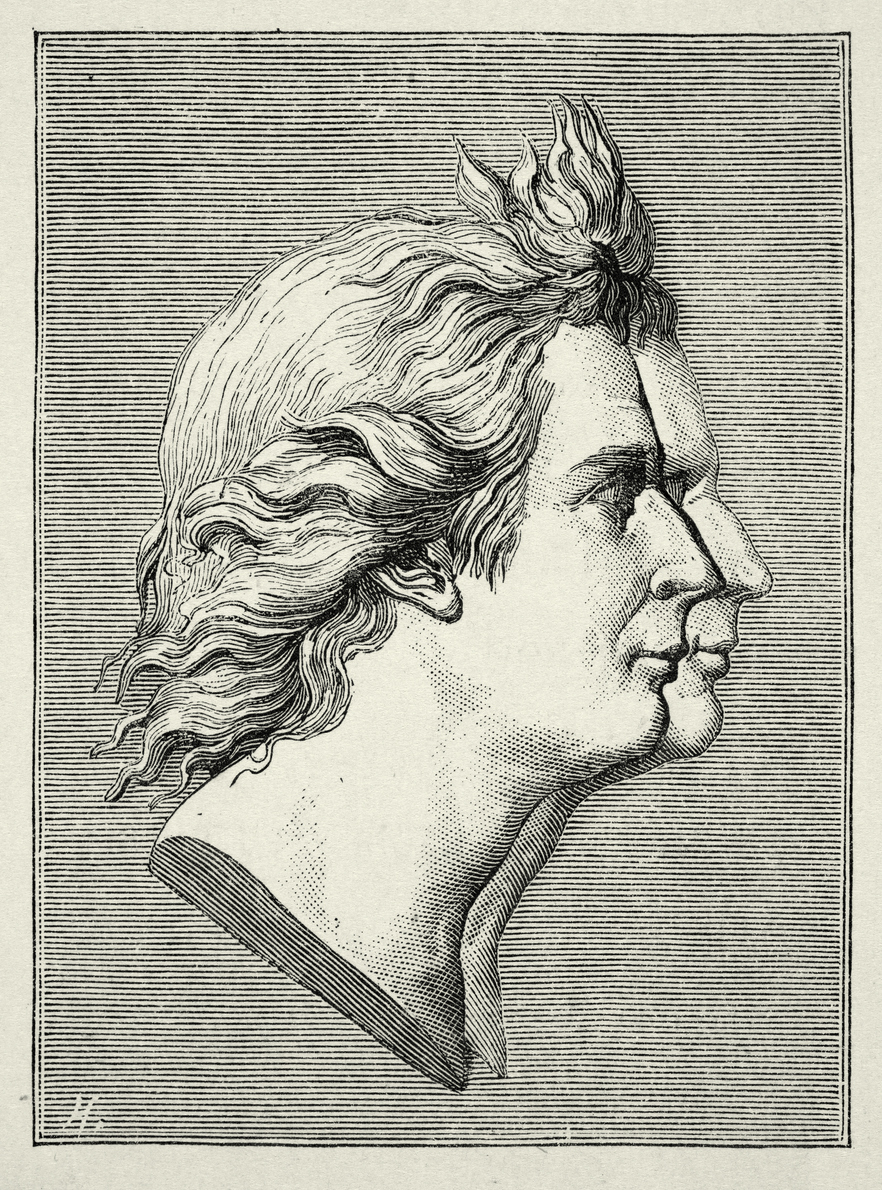 charlier. One balloon was heated by fire, the other lifted by gas, and both captured the world’s imagination. Gas ballooning later became particularly popular in Germany during the 1950s and 60s, while hot air balloons went on to dominate skies worldwide.
Hot air balloons burn propane and typically stay aloft for about an hour, while gas balloons can remain airborne for several days. Gas ballooning remains the only area of aviation under EASA’s scope that still uses hydrogen as a lifting gas, serving as a reminder of how old and yet how technically fascinating this branch of flight remains.
From valleys to regulations
Across Europe, thousands of balloon pilots are operationally active, with everything from small family-run companies offering sunrise adventures to passionate enthusiasts flying purely for the joy of it. The experience may look simple, but ensuring safety is far from effortless. This is where EASA’s Part-BOP (Balloon Operations) and Part-BFCL (Balloon Flight Crew Licensing) come in.
Introduced in 2018, these rules brought all balloon operations in Europe under a single, consistent safety framework. Part-BOP covers everything related to safe operations. Pilots must familiarise themselves with the weather, follow checklists, brief passengers, and ensure that no dangerous goods are carried on board. The regulation distinguishes between basic operations (typically the pilot plus three passengers) and additional requirements for commercial flights, which can carry even 36 passengers.
Learning to fly a balloon
Ballooning has one of the lowest entry thresholds in aviation. A private balloon licence usually requires around 16 hours of flight training, making it more accessible than most forms of flying. Licences are grouped by balloon size ranging from Group A hot air balloons carrying a few passengers to Group D giants lifting over 10,500 cubic metres of air. As pilots progress and gain more hours, they can transition into larger groups.
This licensing framework, developed in cooperation with the European Balloon Federation, was carefully designed to keep training proportionate but robust. It also reflects EASA’s principle that safety is built not only through rules but also through community engagement and shared standards.
Listening to the community
Ballooning is deeply community-driven. Many operators are small clubs, family businesses, or passionate individuals who have been flying for generations. Rather than imposing rules from above, EASA worked with the community to create a dedicated EASA Balloon Rule Book within the Easy Access Rules series.

This standalone resource distils thousands of pages of flight crew licensing and operations material into a practical, user-friendly format. It combines Implementing Rules (IRs), Certification Specifications (CS), Acceptable Means of Compliance (AMC), and Guidance Material (GM) with clear structure and intuitive navigation. The goal is to make safety rules something pilots can use and not just read.
The craft behind the beauty
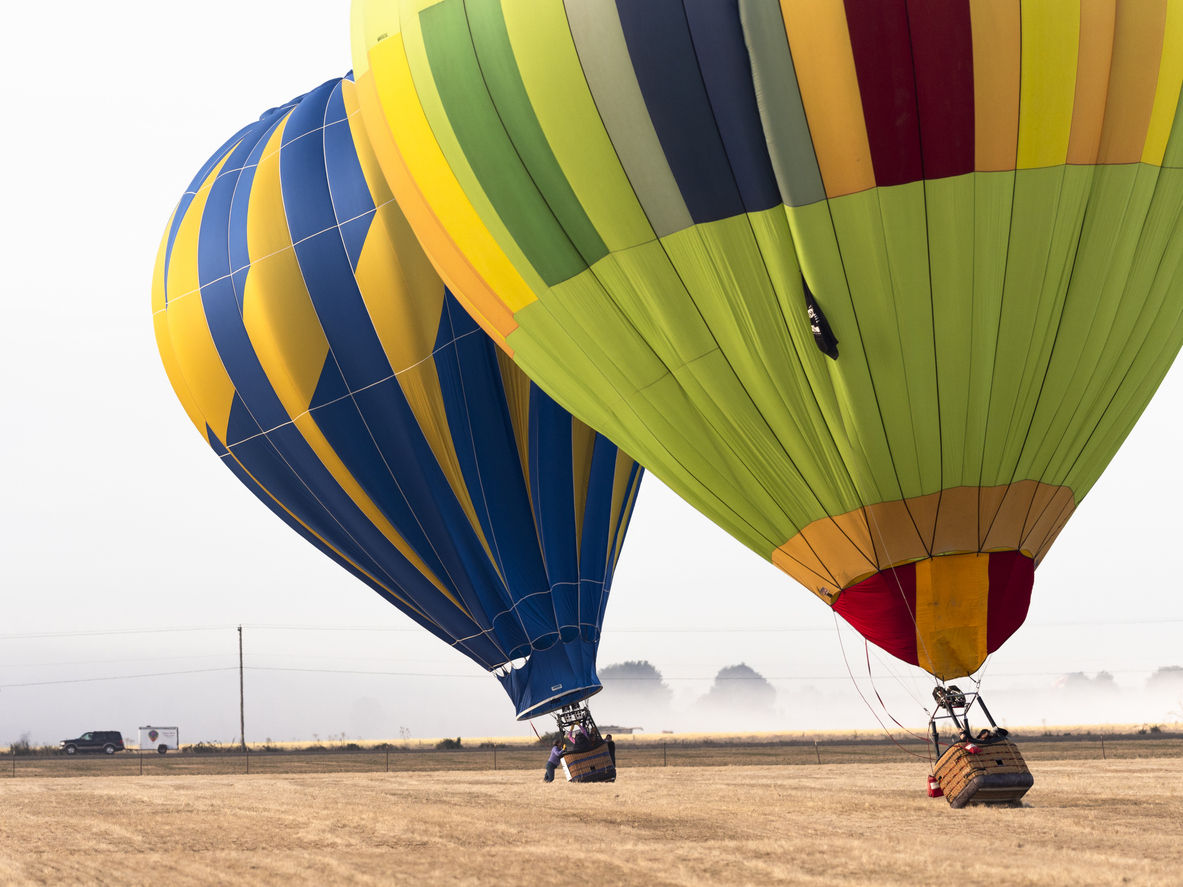
Behind every graceful ascent lies impressive engineering. Modern envelopes are made of nylon and polyester fabric with high tear resistance, UV and flame protection, and carefully designed venting systems. Beneath them, the classic woven wicker basket remains almost unchanged, because it works! The wicker flexes under load, absorbing impact energy in a way that newer materials like carbon fibre or inflatables simply can’t. It’s a perfect case of long-lasting tradition meeting physics.
The safe limits of flight
Ballooning operates within well-defined safety margins. Take-offs below 10 knots of wind and landings below 15 knots are considered safe. If those limits are respected and the equipment is properly maintained, ballooning is remarkably safe. As with all aviation, accidents tend to occur when these boundaries are pushed, or procedures are skipped.
Where safety keeps us ballooning
What makes ballooning special is the balance it strikes between elegance and precision. Each flight seems effortless, drifting wherever the wind decides, yet every ascent depends on careful weather study, detailed checklists, and a pilot’s disciplined judgement. Passengers rarely think about Part-BOP or Part-BFCL; they simply climb into the basket, feel the ground slip away, and trust that everything has been done to keep them safe.
That quiet confidence captures the essence of aviation safety: reliability that works in the background. When you watch a balloon drift above the Loire sunlit valleys, remember that what lifts it isn’t only warm air but also knowledge, craftsmanship, and the shared dedication of Europe’s ballooning community, supported by EASA’s work to keep this centuries-old form of flight safe and enchanting.