
Aircraft accidents are very rare. However, when accidents do occur, the global aviation community is committed to learning everything possible from them to make flying safer for the future.

The International Civil Aviation Organization (ICAO), a specialised United Nations agency, sets the global framework for aviation safety through its Standards and Recommended Practices. One of the most crucial elements of this framework is Annex 13: Aircraft Accident and Incident Investigation. The Annex 13 principles are transposed into the European Union (EU) legal framework (Regulation (EU) No 996/2010).
The Annex 13 and other ICAO documents related to this topic explain how accident investigations are conducted worldwide and why they are vital for aviation safety.
Following an accident, it is also important that passengers, crew and their family and friends receive appropriate care and support. During the investigation, some organisations also organise meetings to inform those impacted by the accident of the status of the investigation.
Why investigate aircraft accidents?
The primary purpose of accident investigation, as defined by Annex 13, is to improve aviation safety by identifying the causes and contributing factors of accidents. It is not about assigning blame or liability. Instead, it focuses on understanding what went wrong and ensuring it doesn't happen again.
Each investigation seeks to answer three key questions:
- What happened? – Establish the sequence of events.
- Why did it happen? – Identify technical, human, or organisational factors.
- How can we prevent it in the future? – Develop safety recommendations to mitigate risks.
Who investigates an accident?
Accident investigations are typically conducted by a specialised body called the Accident Investigation Authority in the country where the accident occurs (identified as "State of Occurrence"). These authorities operate independently of airlines, manufacturers, and regulatory agencies to ensure an impartial and unbiased investigation.
Representatives from different countries are also involved in an investigation depending on various factors:
- the State of Registry (where the aircraft is registered).
- the State of the Operator (the airline's country).
- the State of Design and State of Manufacture (countries responsible for designing and building the aircraft).
Annex 13 ensures that all relevant parties can participate in the investigation to provide expertise and share information.
The steps of an accident investigation
- Notification: When an accident occurs, the State of Occurrence notifies ICAO and other relevant States immediately. Within the EU, EASA is also notified by the State of Occurrence.
- Initial Response: Investigators secure the accident site to protect evidence, ensuring all relevant information can be used to improve safety in the future.
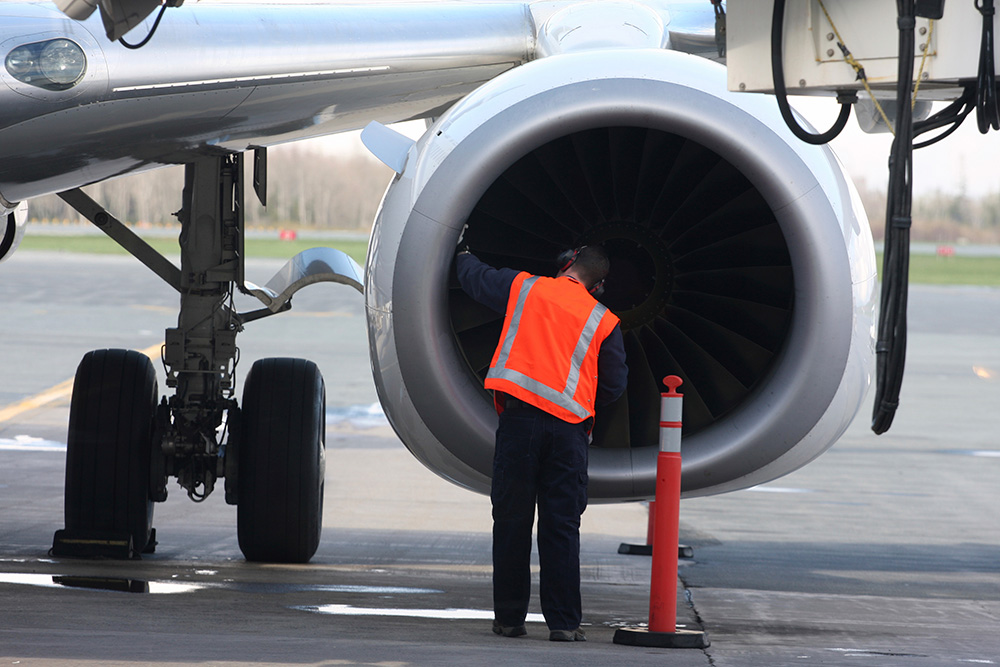
- Data Collection: Investigators gather all available information, particularly from the site of the accident, such as flight data recorders (commonly known as “black boxes”), air traffic control communications, maintenance records, and witness statements.
- Analysis: Using all the collected evidence and data, investigators analyse the sequence of events.
- Conclusions: Identification of the root cause and contributing factors (whether technical, operational, or human).
- Report Writing: Investigators produce a detailed report summarising their findings and issue safety recommendations with the goal of continual learning and safety improvement.
- Safety Recommendations: Once safety issues are identified, aviation actors (aviation regulators, Type Certificate Holders, air navigation service providers, and others) are informed and requested to take action to mitigate future risks.
Although the process of an accident investigation from start to finish should ideally take no more than 12 months (as per Annex 13 Standards and Recommended Practices), in practice, it usually takes longer, particularly for major accidents.
What is the role of EASA?
Although accident investigations are carried out by national authorities independently, EASA provides technical expertise and support when requested. This can include supplying data about aircraft certification and design or analysing safety trends based on the Agency’s extensive database.
Who is entitled to disclose information during an investigation?
During an investigation, the disclosure of information is tightly regulated to ensure the integrity of the investigation and protect sensitive safety-related data. The responsibility for disclosing information lies primarily with the State conducting the investigation, in accordance with the principles outlined in ICAO Annex 13.
Key principles of Annex 13 investigations
- Focus on safety, not blame: Annex 13 emphasises that investigations are not about determining criminal or civil liability. This ensures that everyone involved can cooperate fully without fear of punishment.
- International collaboration: Aviation is a global industry, so Annex 13 ensures that investigations involve experts from multiple countries, ensuring diverse perspectives and expertise.
- Transparency and confidentiality: While investigations are thorough and transparent, some information, such as cockpit voice recordings, are protected to respect the privacy of individuals involved.
- Timely safety action: If an investigation uncovers an immediate safety risk, interim recommendations are issued even before the final report is completed.
A global commitment to safety
Annex 13 represents a global commitment to continuously improving aviation safety. By fostering a culture of learning and collaboration, it ensures that air travel remains one of the safest modes of transportation. Every recommendation made as a result of an investigation contributes to this safety culture, ensuring that accidents become increasingly rare.
How do these investigations benefit passengers?
The lessons learned from accident investigations have profoundly shaped modern aviation safety. Many of the procedures, technologies, and standards that passengers take for granted today are direct results of past investigations. For example:
- enhanced cockpit design to reduce pilot error.
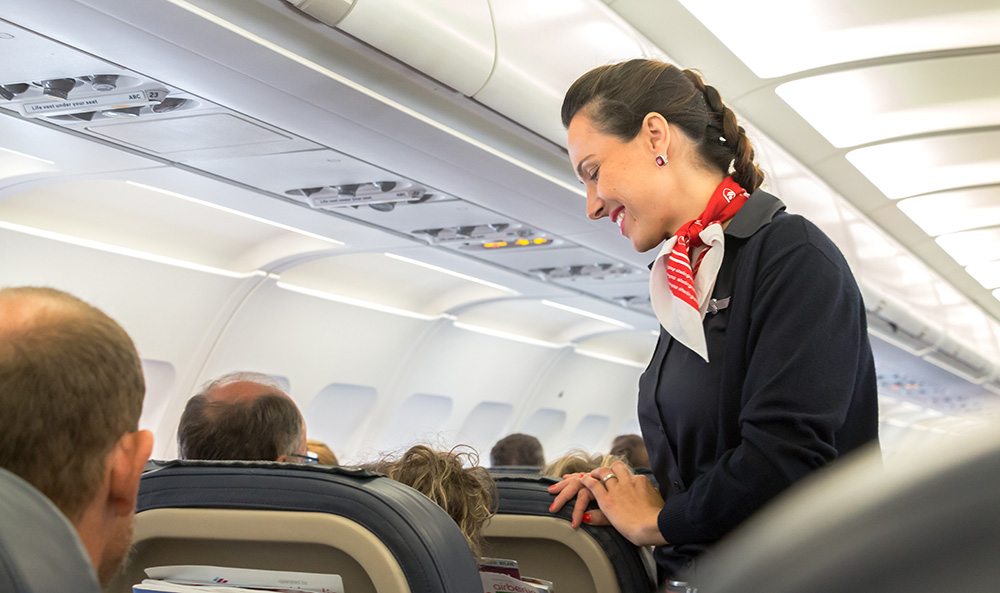
- improved aircraft maintenance procedures.
- more robust training programs for flight crews.
- enhanced passenger safety protocols, like better evacuation procedures.
Each accident investigation contributes to an already robust safety system, ensuring that aviation becomes progressively safer with every lesson learned. Airlines, regulators, manufacturers, and international organisations all work together to learn from every incident, no matter how minor. This collaborative effort ensures that every flight you take benefits from those decades of experience and knowledge.