
 Aviation is international by nature and aviation safety and sustainability are therefore a cooperative, global effort. Because safety and sustainability don’t stop at Europe’s borders, neither does the work of EASA. It is important to be close to relevant authorities, industry, aviation organisations and citizens all over the world.
That’s why in addition to its offices in Europe (Cologne, Germany and Brussels, Belgium) EASA has offices in Washington, United States of America (USA); Beijing, China; Montréal, Canada; Singapore; and Panama City, Panama.
These offices:
- support local authorities, industry and relevant organisations in understanding European Union (EU) aviation regulations and policies.
- monitor regulatory and policy developments related to aviation in the country/region.
- enhance cooperation and regulatory harmonisation between the EU and the country/ region in the interest of citizens and industry.
- help the exchange of safety information.
- support the implementation of agreements.
- assist industry, in particular, with the certification of EU aviation products by local authorities.
Let’s go on an imaginary trip around the world and get to know more about the international offices of EASA.
Montreal, Canada
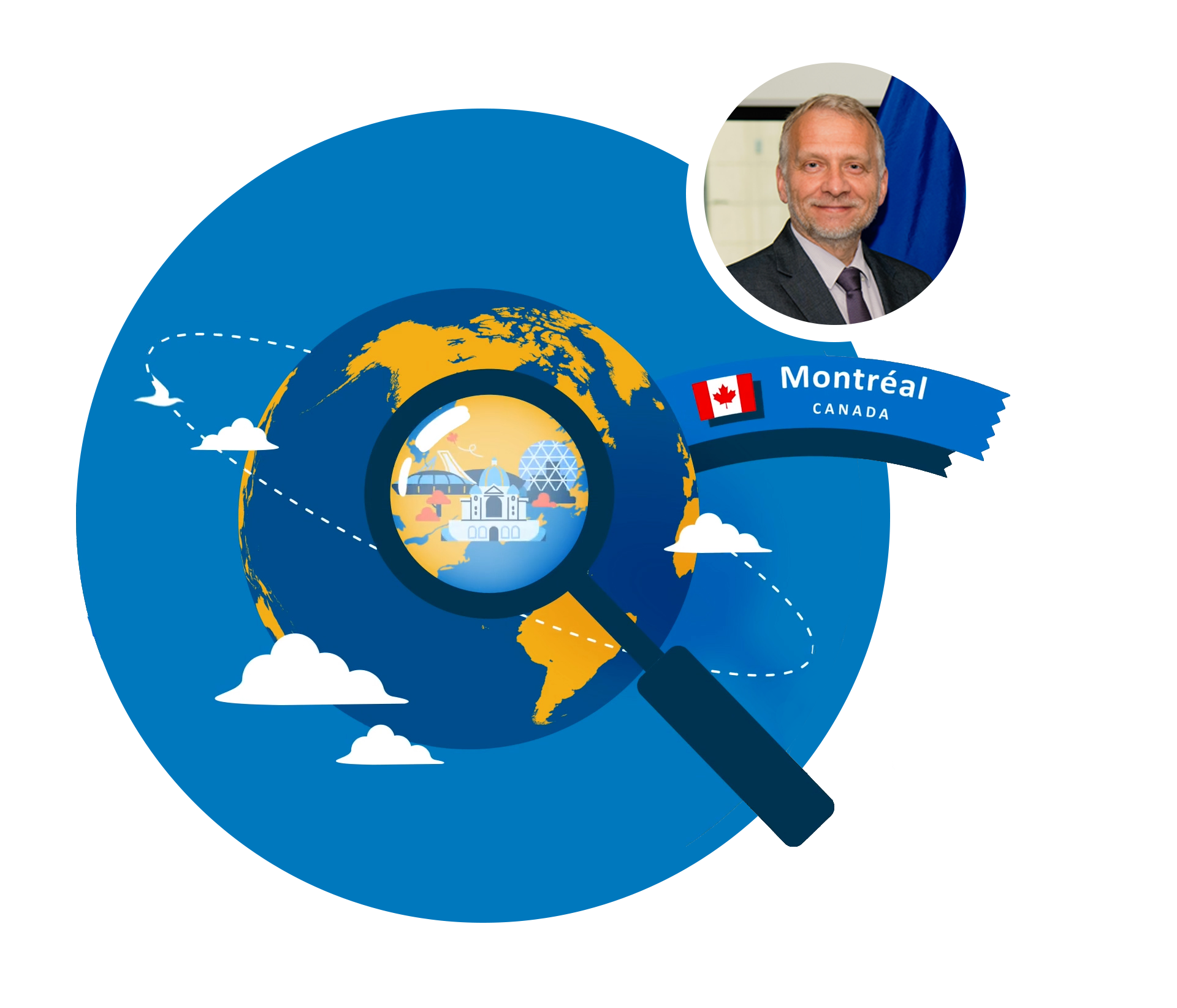 |
| Erick Ferrandez EASA representative in Canada |
From Europe, we travel towards Canada and stop in Montreal. Montreal is a very important city for the world of aviation. It is the base for ICAO, the International Civil Aviation Organization, and therefore we can say that all the international standards for aviation start there. In addition to the responsibilities previously mentioned, the EASA representative in Montreal plays a key role in closely monitoring ICAO’s strategic efforts in standard-setting, following the direction of the Universal Safety Oversight Audit Programme, and fostering collaboration between EASA and ICAO on international technical cooperation. These responsibilities are executed in close alignment with the EASA headquarters, ensuring consistent coordination and guidance.
Furthermore, Montreal hosts a substantial concentration of influential aerospace decision-makers and key stakeholders, including the International Air Transport Association (IATA) and the Airports Council International (ACI), alongside other prominent aviation organisations with permanent offices and delegations. This dynamic ecosystem underscores the importance of maintaining a dedicated liaison through the EASA representative.
Canada is also home for major industry players and consequently an important Civil Aviation Authority – Transport Canada Civil Aviation.
Washington DC, USA
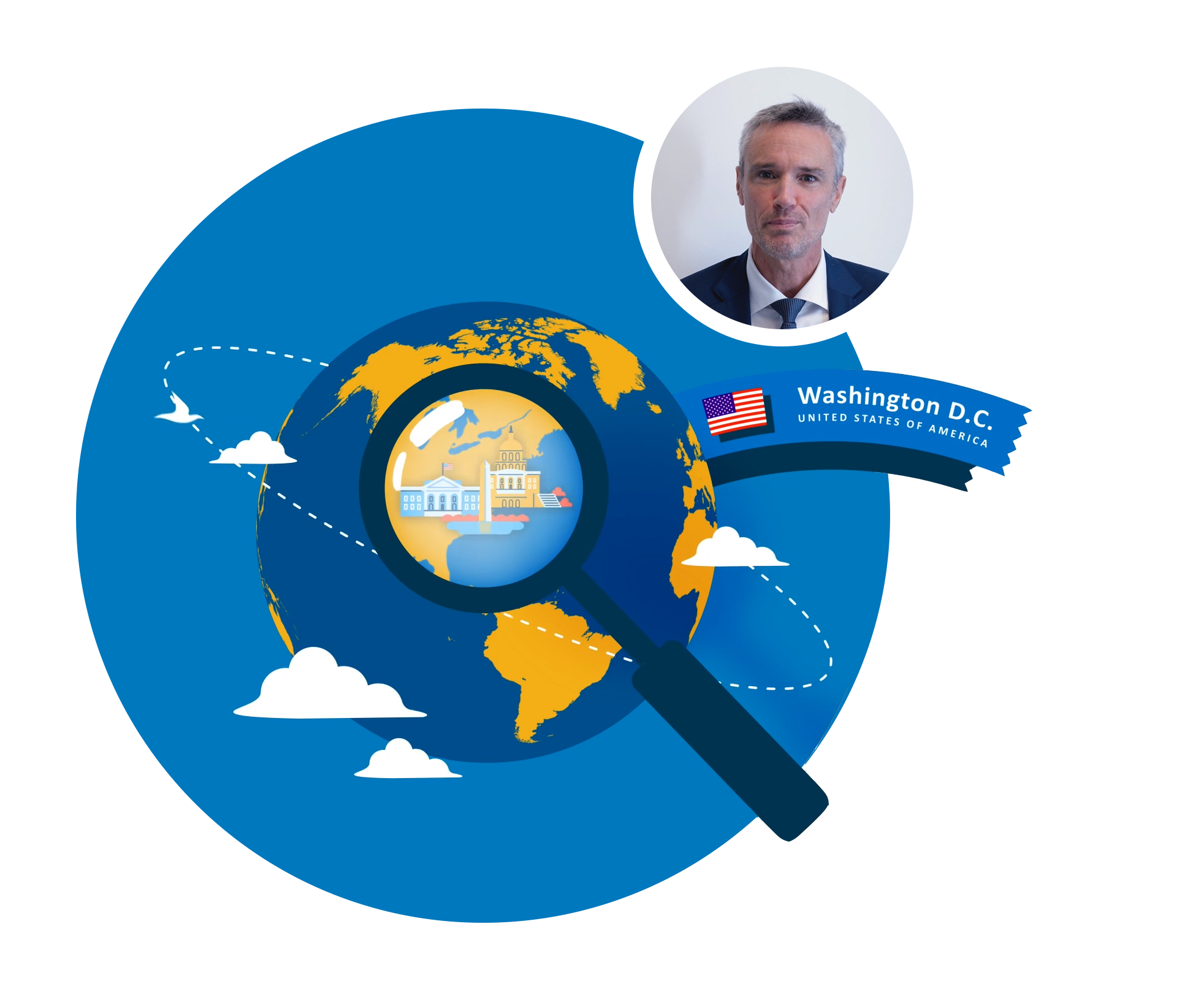 |
| Ludovic Aron EASA Representative in the USA |
From Montreal we fly down to Washington DC. The EU and USA are important trading partners and are both at the forefront of the aviation safety. After all, the USA is home to one of the most prominent aviation authorities in the world: the Federal Aviation Administration (FAA). Part of the role of the representative of EASA in the USA is to enhance harmonisation of the EASA and FAA regulatory frameworks, through the establishment of bilateral and multilateral working groups.
EU-US cooperation is essential for:
- continuous improvement of aviation safety at the global level.
- better environmental standards for the sector.
- fostering the EU market access to the USA aviation stakeholders and vice versa.
- supporting innovation.
Panama City, Panama
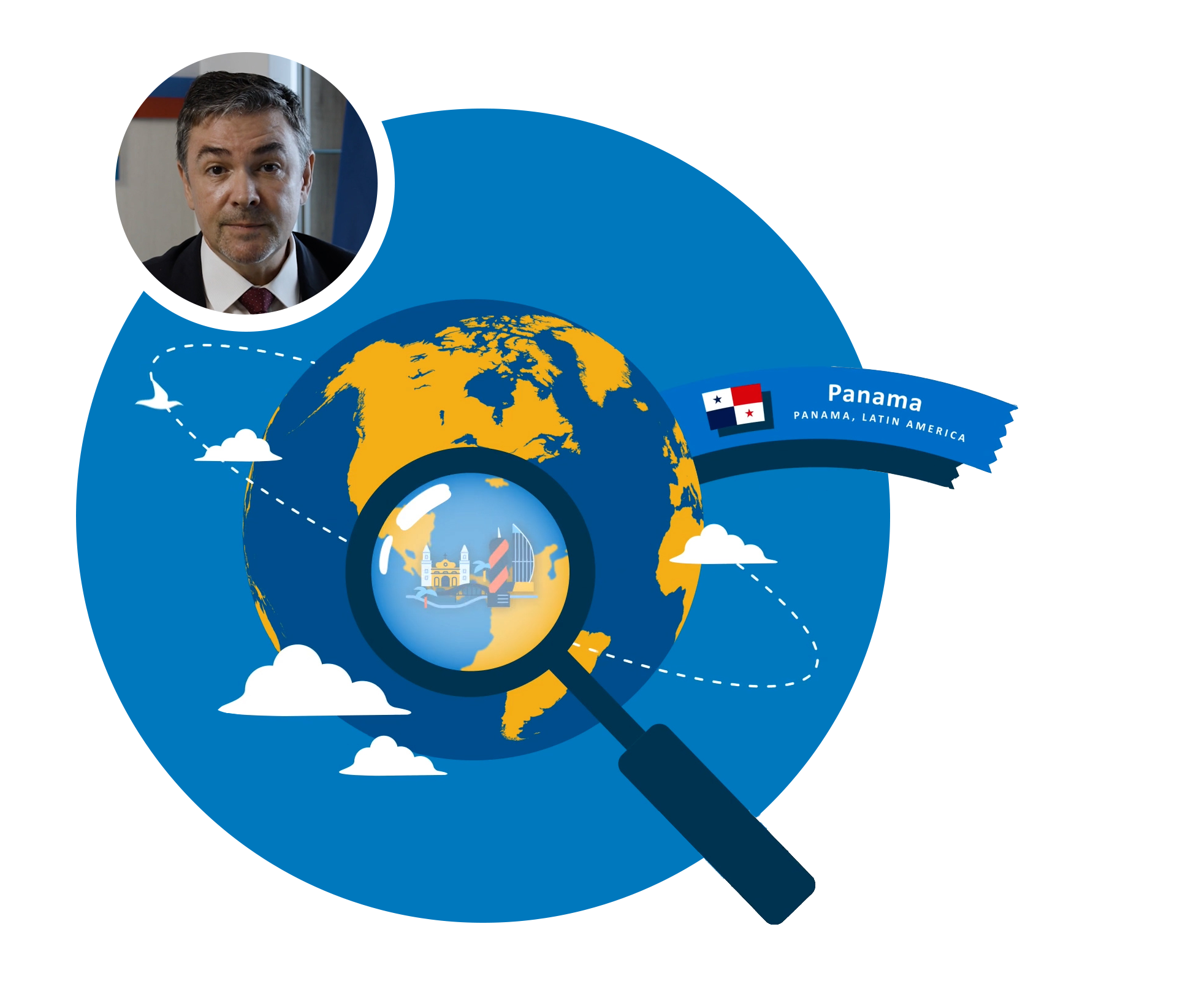 |
| Alfonso Arroyo EASA Representative in Latin America and the Caribbean |
We continue heading south, towards Panama City. This EASA’s international office covers a large area: Latin America and the Caribbean.
In this area, EASA has already in place a BASA (bilateral aviation safety agreement) signed with Brazil and Working Arrangements (WAs) signed with Chile, Colombia and Mexico.
EASA participates in regional safety groups, in close coordination with ICAO, which allows to learn and exchange on matters for the region, such as safety standards implementation, competitiveness, and environmental sustainability.
The presence of EASA in the region helps expanding the awareness of local and regional authorities and organisations on specific European aviation safety standards, as well as exchanging and supporting industry on-the-spot. These insights are essential to agree on the implementation of technical assistance in the Latin America and Caribbean region through EASA’s partnerships projects with local organisations and states.
Beijing, China
 |
|
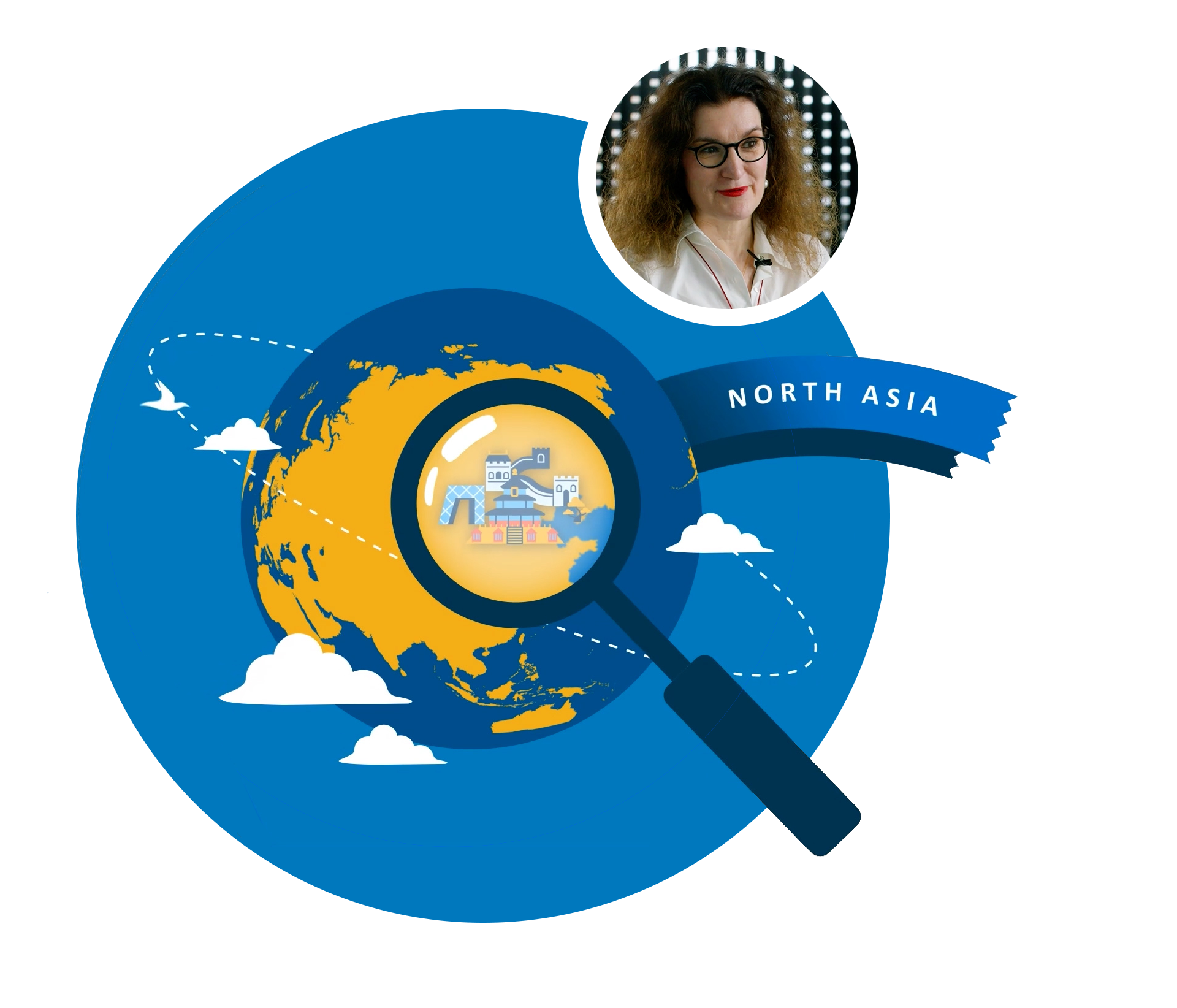
| Ingrid Lagarrigue EASA Representative in North Asia |
Following a long flight across the Pacific Ocean, we land in Beijing, home to the EASA representation office in North Asia – China, Japan, South Korea and Mongolia.
EASA’s Beijing office works to optimise cooperation in the aviation safety field with EASA’s aviation stakeholders in the region. It is a link to the Civil Aviation Authorities, Industry and ICAO regional offices in Beijing and Bangkok. Additionally, it supports the development and implementation of bilateral aviation safety agreements and working arrangements exploring new areas of cooperation (artificial intelligence, cybersecurity, sustainable aviation fuels, urban air mobility, aircraft robotics, electric aircraft…).
The EASA Beijing office is at the forefront of progress and exchange of best practices for a shared global goal: the promotion of aviation safety in Northern Asia.
Singapore
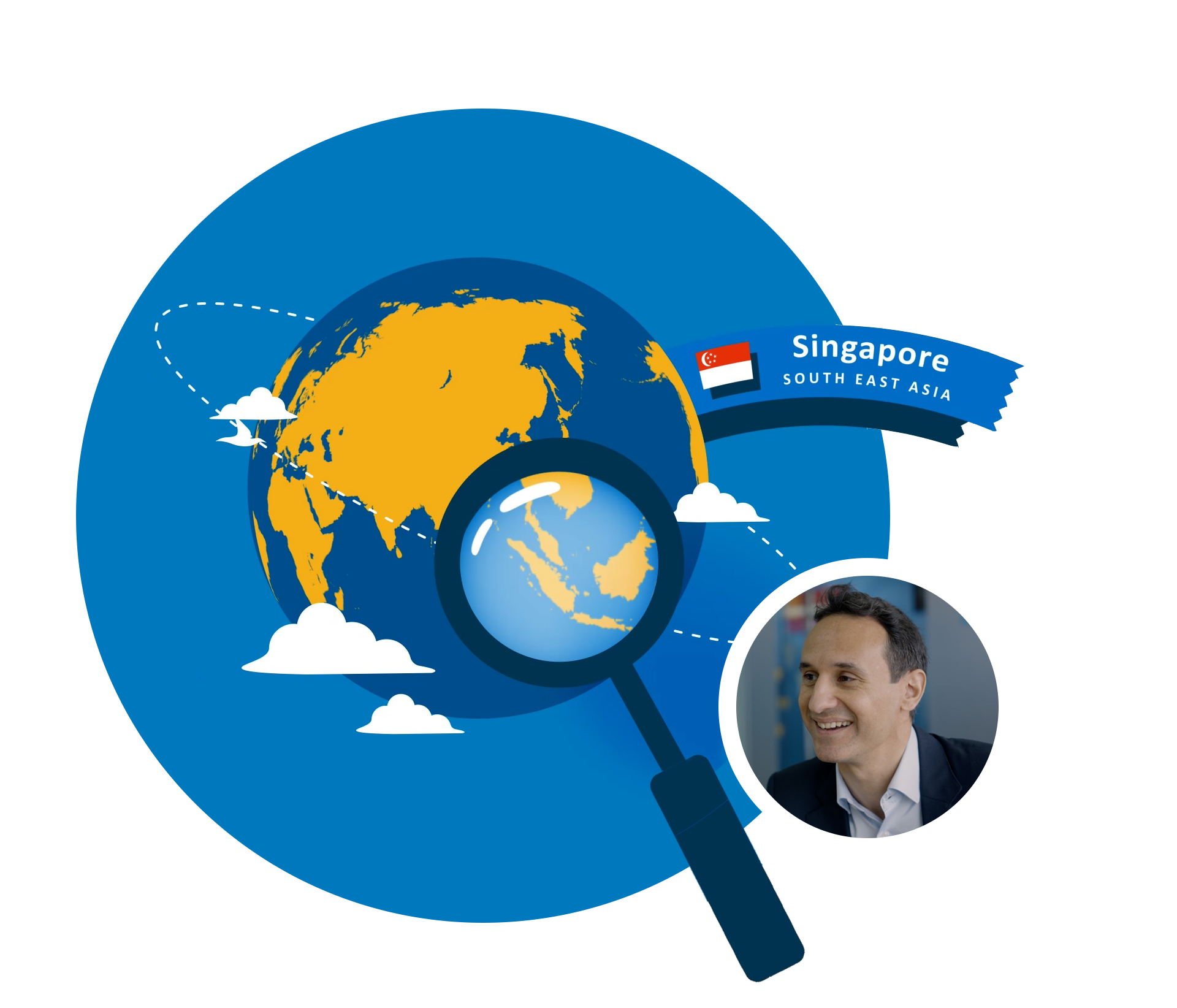 |
| David Waller EASA Representative in Southeast Asia and the Pacific |
From China we hop on a flight to our last stop outside Europe: Singapore, the location of EASA’s office for Southeast Asia and the Pacific.
Similarly to the other international offices, EASA’s representation in Southeast Asia provides aviation regulators from the region with an easy to contact focal point for European aviation. This region has high air traffic growth, and ambitions for regional integration, so it’s useful for industry to have EASA there to help with supporting a safe and sustainable operating environment and sharing Europe’s experience.
In this region, EASA’s work goes beyond traditional commercial aircraft: think about things like helicopter emergency medical services, drones and urban air mobility, cybersecurity, and sustainable aviation fuels - these are just some examples of where EASA shares its expertise.
You can learn more about EASA’s offices and representatives around the world by watching their videos on EASA Pro – available only in English.
From Singapore we return to the EASA’s headquarters in Cologne, where we will continue to work on keeping aviation safe and increasing the sustainability of the sector, not just for the EU but also around the world.
Stay informed on EASA's International activities
We hope you enjoyed your flight with EASA. You can read more on International Cooperation and register on EASA Light to be informed when new articles come out.