
Article by Hans Edvard Sunde, CAA Norway Flight OPS inspector, originally published by CAA Norway in September 2025.
Night flying and autumn - are here
One of the biggest challenges now is that daylight gets much shorter with each passing day. The daily reduction is greatest on 22 September. Don’t be fooled by it being light until 20:00 last week. It definitely won’t be light until 20:00 next week.
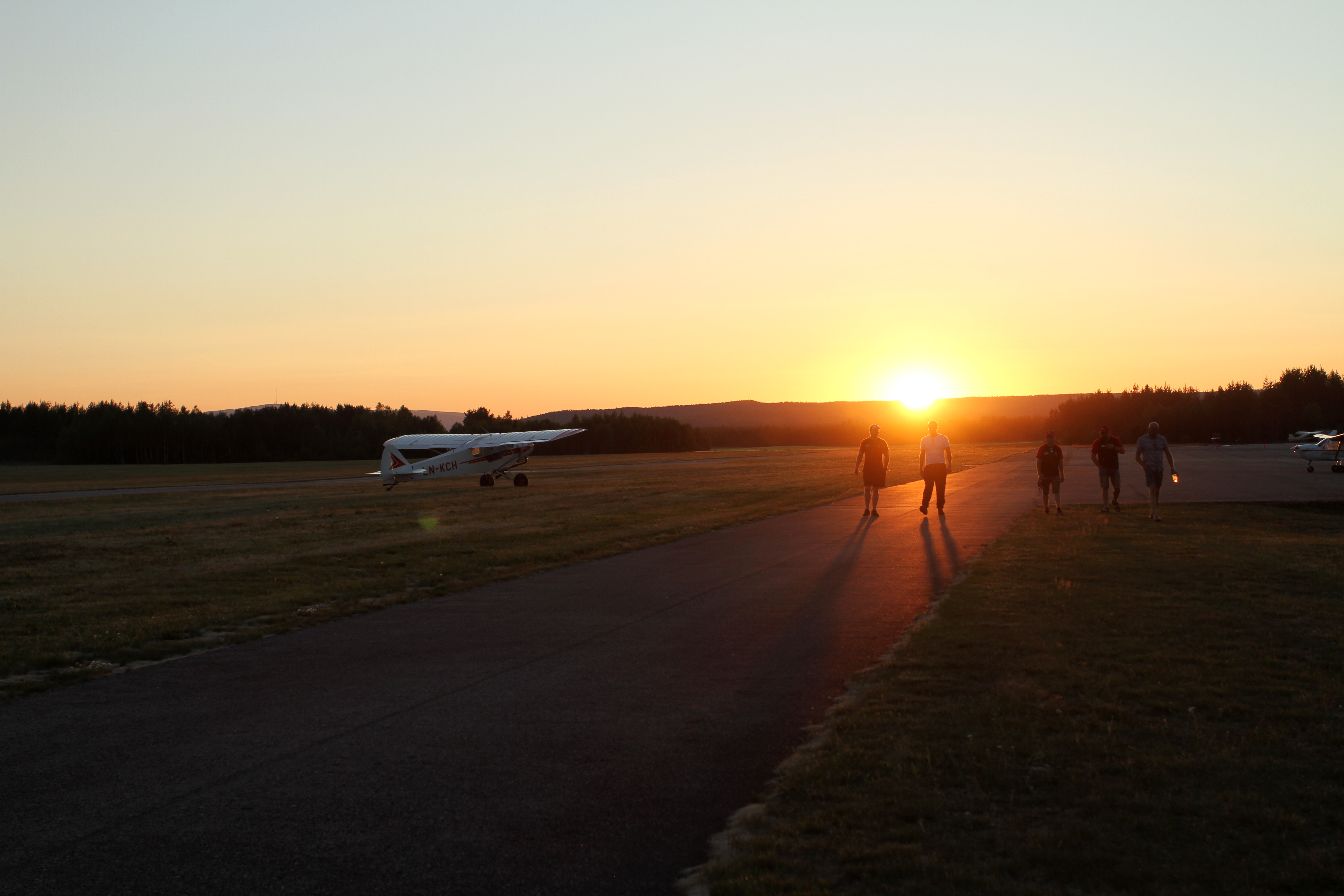
Photo credit: Santi Amengual
As a day VFR pilot, light is often the limiting factor in autumn. Plan ahead. You must know not just when it gets dark, but also set expectations with your passengers that you need daylight to fly. Most non-pilots will prefer to stay and enjoy themselves rather than rush home before dark. They’re used to driving, and nighttime driving is no big deal for most people. Remove the stress by making it clear to any passengers that you need to fly in daylight.
That said, consider using the dark season to complete your VFR Night checkout. It frees you from that nagging nervousness you felt throughout the whole fårikål (traditional lamb-and-cabbage) dinner. With the rating, you have slack. You can always come back after nightfall. VFR Night is also a fantastic experience. Treat yourself to a few hours with an instructor.
Be aware that you should be proficient at keeping the aircraft under control using instruments alone when flying at night. Some nights are so black that, in practice, it’s very close to instrument flying.
Finally, plan your route so a landing is possible in case of engine failure. With standard landing lights you only see the last few meters above the ground. Choose a route over landable areas during planning, and remember: altitude, as always, is your friend.
PAVE Checklist—Night Flying Considerations
Many pilots use the PAVE checklist when preparing for a flight.
Suggested PAVE-pointers:
P– Pilot
- Required night rating?
- Required recency and night landings?
- Rested and sharp (greater evening fatigue)?
- Prepared for reduced depth perception and night-flying illusions?
- Is your vision as good as it was on your last flight?
A – Aircraft
- Properly equipped and airworthy for night flying?
- Increased fuel reserve in case of diversion?
- Personal equipment for night flight?
V – enVironment
- Weather - reduced visibility and clouds?
- Risk of icing?
- Can I expect moonlight, or will it be completely dark?
- Is the route over lit areas (settlements) or completely dark areas (sea, forest, or mountains)?
- Do departure and destination have adequate lighting available?
- Have I chosen a route with potential forced-landing areas?
E – External pressure
- Time pressure to get back to the departure aerodrome?
- Have I communicated realistic expectations to the passengers?
In short: Night = higher risk. Always build in extra margins for weather, fuel, altitude, and decision time.
Please log in or sign up to comment.