
I’m a pushover for a good sandwich. Roast beef and Swiss on a French baguette is my absolute go-to lunchtime favorite. Of course, quality ingredients, proper construction, and attention to detail matter when building the perfect sandwich. Skimp on any and you could easily wind up with a sub-par sub.
While it may be a somewhat quirky comparison, building a good sandwich and conducting a safe flight share some common ground. Indulge my culinary comparison for a moment if you will.
The Bottom Slice
A sandwich without good bread is just, well … not really worth eating. The bottom slice is particularly important, serving as the foundation for the rest of your sandwich. Without it, you may very well have a soggy mess on your hands. The same can be said for preparation when it comes to flying. With a good foundation of diligent research and preparation, you’ll be maximizing your chances of having a safe, efficient, and enjoyable flight.

Risk management is key to building a solid foundation for a safe flight. Because every flight has some level of risk, it is critical that pilots are able to differentiate, in advance, between a low-risk flight and a high-risk flight. Pilots must also be able to establish a review process and develop risk mitigation strategies. A flight risk analysis tool (FRAT) is an excellent way to accomplish all of this. A FRAT enables proactive hazard identification, is easy to use, and can visually depict risk. It is an invaluable tool in helping pilots make better go/no-go decisions and should be a part of every flight.
What’s critical about a FRAT is that it allows you to pause and review risk before the Hobbs meter starts running and the pressure of getting on your way is already swaying you to proceed. Simply running a calculation in your head might lead you to miss or severely underestimate risks you could encounter. Our own personal biases can also work against us, convincing us it’s ok to proceed on a flight based on previous experience, e.g., “I was able to land just fine with an 18-knot crosswind last time.” This normalization of deviance can be deadly. A FRAT forces the pilot to instead document the assessment and calculate an actual score that is much harder to deny or cast aside. More importantly, it lays the groundwork for managing risks with proactive and recorded mitigation strategies.
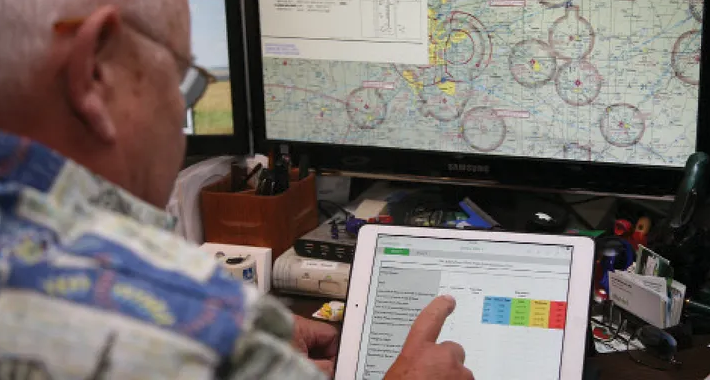
A FRAT enables proactive hazard identification, is easy to use, and can visually depict risk.
So, what does a FRAT look like and how does it work? FRATs come in different formats. Some might be simple app-based checklists, while others can be more detailed software applications. The FAA Safety Team (FAASTeam) has an online FRAT tool that considers 27 different conditions you might encounter on a flight and your ability to safely cope with them based on your individual skill and experience. Keep in mind that FRATs are not able to anticipate all hazards that might impact a particular flight, but they do cover many common areas that can help you get started in effective safety risk management. For example, it may ask you how much rest you’ve had, how much time you’ve had in the aircraft, and what the weather conditions are for your destination. Based on your answers, a total risk score is calculated. With many FRATs, your score will fall into three risk categories: green (low), yellow (medium), and red (high).
Green Means Go: Or Does It?
With a clear in-the-green score, you might be tempted to blast off with unabated zeal. Not so fast. A FRAT is not meant to make your go/no-go decision for you. It is merely a tool to help you plan your flight and think through a more complete range of hazards and risks. When using a FRAT, it’s a good idea to create numerical thresholds that trigger additional levels of scrutiny prior to a go/no-go decision for the flight. For example, a score that’s on the high end of the green scale may still warrant further analysis. You should consider what the highest scoring risks are and attempt to mitigate those risks.
Yellow: Mitigation Needed
If your score falls in the yellow, try to mitigate some of the higher-scoring items. That might entail waiting for the weather to improve or switching to an aircraft you have more experience with. If the score is still in the yellow, bring in the opinion of a designated “contact” person, such as a flight instructor or an FAASTeam Representative. They may be able to help you think of ways to further mitigate some of the risks of your flight.
Red: No-Go
If your score falls in the red zone, you should seriously consider cancelling the flight unless the risks involved can be safely mitigated. It’s important not to allow the external pressures involved with carrying on with the flight (e.g., attending your son’s graduation ceremony) to interfere with your go/no-go decision. You (and your passengers) may be disappointed, but it’s always better to be wishing you were in the air than wishing you were on the ground!
Get FAA Safety Briefing Magazine’s stories in your inbox
Another common tool for preflight risk assessment is the PAVE checklist, which covers:
- Pilot: The pilot’s physical and mental readiness.
- Aircraft: The aircraft’s condition and suitability for the flight.
- EnVironment: Weather, terrain, and other external conditions.
- External Pressures: External factors like time constraints or personal pressures that might influence decision-making.
Many FRATs incorporate questions that cover PAVE items, but it never hurts to use both. Employing risk management tools like these systematically will ensure you create a foundation of awareness and preparedness for every flight.
The Middle Layer
Let’s get back to sandwich building as we’re now ready for the meat of the matter, i.e., the flight itself. There’s no time for baloney here. This is where we exercise our skills and training as pilots to perform at our best while maintaining a keen awareness of our environment. It’s critical to monitor any changes to our flight and reassess any new hazards. Is there an unexpected change with the weather at your destination? Is a stronger-than-expected headwind cutting too closely into your fuel reserves? Do you notice your passenger becoming a bit air sick on their first flight in a small plane? All of these factors should be considered on an ongoing basis to ensure a smooth and safe outcome.
And just like sandwich fillings should complement each other and be well balanced for optimum flavor, so should our inflight tasks and workload. Use technology where it’s appropriate, but don’t let it consume too much of your attention from what’s happening outside. Be sure to leverage the abilities of your passengers as well — they can help to lighten your workload greatly by spotting traffic, accessing charts, or performing other inflight tasks. Using all the resources at your disposal helps you focus on priority tasks and work more efficiently.

The Top Slice
Before we dig into our sandwich, we have the final layer of bread to consider. The importance of this last step can easily be underestimated. In addition to keeping everything together (toasting helps), the top layer also provides a place to add your favorite condiment to enhance the flavor of your culinary creation. We have a similar opportunity to add some structural integrity and enhancements to our flying during our postflight reflection. It’s easy to think the flight is complete when the headsets come off and the wheels are chocked, but there are still some important steps that’ll help you make the most of this and future flights.
A careful and honest reflection of your flight performance can help you spot areas where you excelled as well as areas in need of some improvement. Think about what types of challenges you faced and how you reacted. If you’re able, try using a post-flight debriefing program, like CloudAhoy or ForeFlight, to record and play back your flight. This will help you get a more complete picture of your flying and where you might need some practice. For example, you might see that your airspeed was too high on some of your approaches or that your glideslope tracking was a bit erratic. These programs can also “gamify” the learning process by scoring your maneuvers and allowing you to share them with others.
Another important tool that allows general aviation (GA) pilots to analyze and share their flight data is the National General Aviation Flight Information Database (NGAFID). The FAA partnered with academia and industry to create the NGAFID, which allows pilots to analyze their own flight data from a wide variety of GA operations. Pilots equipped with avionics capable of recording flight data can upload flight and engine data into NGAFID, e.g., data downloaded from a Garmin G1000.
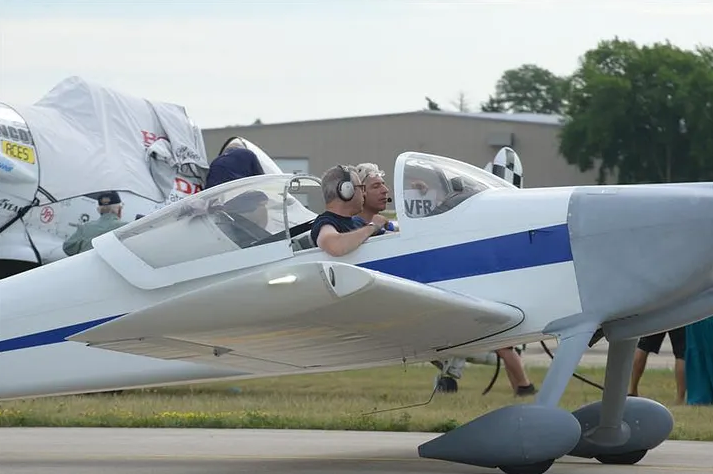
Devices that record flight data, combined with the NGAFID, offer an easy and free way for pilots to improve their flying by visually analyzing flight performance for trends and changes over time. Depending on your method of recording and collecting data, you can even use the NGAFID to monitor for airworthiness and maintenance concerns. Yet another benefit is the ability to compare your data to that of other operators in your class or type of aircraft.
Note that all data collected from onboard avionics or a flight data recorder is anonymous and de-identified to other users and the FAA, so pilots can share their data without any fear of reporting or reprisal. Also note that the NGAFID is managed by GA community members and associations, not the FAA.
As part of the FAA’s Aviation Safety Information Analysis and Sharing (ASIAS) system, NGAFID data also helps the FAA identify safety trends (both local and systemic) and drive support of targeted safety strategies. Bottom line — your data is helping improve safety for the entire aviation community. As of April 2025, the NGAFID had amassed nearly 2.6 million hours of flight activity from more than 730 aircraft, with GA participation continuing to grow. If you want to learn more about participating with the NGAFID, go to ngafid.org. A recently added user manual on the website can help you navigate how to use the system.
The Perfect Safety Sandwich
While I’ve used an admittedly playful comparison here, hopefully the act of solid sandwich building does transfer into some helpful reminders on what it takes to plan and execute a safe flight: a solid foundation (preflight planning and risk mitigation), a quality filling (utilizing skills and maintaining awareness throughout the flight), and a finishing layer (reflection) to properly assess performance and strive for continuous improvement. These ingredients will ensure your success in the air — and in the kitchen!
Thank you, Alejandro.
I found your comparison very interesting and thoroughly enjoyed reading it.
While I personally have some reservations about conducting a Risk Assessment before every flight, I certainly recognize its benefits. You highlighted a crucial point - it’s not about making a go/no-go decision but rather serves as a valuable supplementary tool to support flight planning, particularly in situations where uncertainty is a factor.
I appreciate you sharing your thoughtful insights!
Please log in or sign up to comment.