
Air operators typically work on two schedules: winter and summer, with summer being the busiest time of the year for aviation.
Airports become busier, aircraft fly more frequently, temperatures rise and weather conditions become more challenging. For passengers, this often means holidays, visiting family and exciting trips abroad.
Just like winter operations, summer operations bring a specific set of important operational and safety considerations, and behind every summer flight, thousands of aviation professionals are working to keep operations running safely and smoothly.
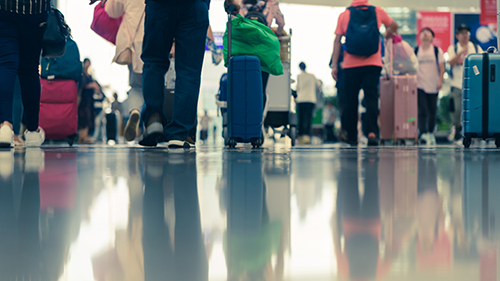 Why does everything seem so busy in summer?
Summer places additional pressure on almost every part of the aviation system. More flights mean more aircraft movements, more passengers, more baggage and more coordination between airlines, airports and air traffic services.
Pilots, cabin crew, dispatchers, engineers, ground handlers, airport staff, meteorologists, air traffic controllers and many others work together in the background to make it all happen.
Most passengers only see a small part of that system. But in reality safe and reliable summer travel depends on thousands of people performing hundreds of tasks correctly every day.
Why is it so hot in the cabin?
Almost everyone has boarded an aircraft on a hot summer day and wondered why the cabin feels warmer than expected.
The answer is that keeping an aircraft cool on the ground is not always as simple as turning on the air conditioning. Aircraft often rely on either their Auxiliary Power Unit (APU) or external ground power and air-conditioning units while parked at the gate. In some airports, the use of Auxiliary Power Units is restricted where suitable ground equipment is available. This helps reduce noise and emissions.
However, during very hot weather, providing enough cooling for a large aircraft cabin can still be challenging, particularly while hundreds of passengers are boarding through open doors.
The result is that passengers may experience a warmer cabin for a short period before departure while ground teams and flight crews work to establish a comfortable environment.
Why does it seem that there are more delays during summer?
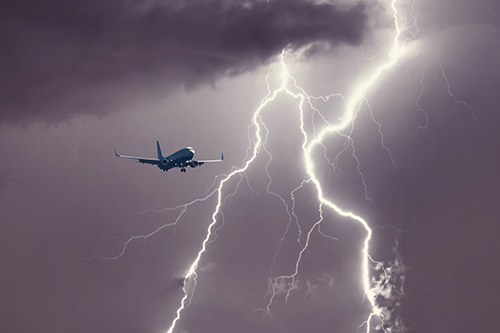
A sunny day at the airport does not always mean smooth weather for flying. Summer heat can create powerful thunderstorms that develop rapidly, particularly during the afternoon and evening. These storms can bring lightning, hail, strong winds and turbulence.
Pilots, airlines and air traffic controllers continuously monitor weather conditions and may adjust routes, delay departures or change arrival procedures to avoid hazardous weather.
Sometimes that means flying slightly longer routes to avoid weather or congestion. Although passengers may notice a longer flight time, these changes maintain safety and reduce disruptions across the wider aviation network.
Why is turbulence so difficult to predict?
One of the most common questions passengers ask concerns turbulence.
Turbulence can occur in both winter and summer. However, due to the fact that the Intertropical Convergence Zone is at its most northerly position in the European summer, turbulence during the cruise is more likely at this time of year. The additional challenge is that not all turbulence can be seen on weather radar. Some turbulence develops in clear air and may occur with little visible warning.
While a turbulence event may be scary, modern aircraft are designed to withstand turbulence and pilots receive extensive training on how to manage it.
This is why crews ask passengers to keep their seatbelts fastened even when the seatbelt sign is switched off. Most passenger injuries related to turbulence occur when people are not seated or not wearing their seatbelt.
It’s a simple thing to do, and remains one of the most effective safety measures available: keep your seatbelt on. Turbulence can happen unexpectedly and keeping your seatbelt fastened helps protect you and those around you.
Safety never takes a holiday
For many people, summer flights mark the beginning of a much-needed break. For aviation professionals, however, summer is a demanding period. Whether managing extreme temperatures, navigating around thunderstorms, maintaining aircraft, working outside under high temperatures, handling passengers or coordinating busy airspace, the aviation community works continuously behind the scenes to keep flights operating safely.
EASA also plays a role. For example, for the 2026 summer, EASA is working with airlines, airports, and aviation organisations across Europe through its “Go Safe – Together” campaign to share practical safety advice with both aviation professionals and the travelling public. The campaign highlights how small actions and good decisions, whether on the flight deck, on the ramp, in the cabin, or in the passenger terminal, help create a safer experience for everyone.
After all, aviation safety is a team effort, and every journey is safer when we work together. So, next time you board an aircraft on a hot summer day, remember that there is a lot more happening behind the scenes than passengers realise – and it’s always good to be kind to aviation professionals.
Suggested reading:
Curious about the other side of the coin ? Read our article on winter operations Fighting the freeze: The hidden operations behind winter flights.