
Not all aircraft are meant to carry passengers and suitcases. Some are built to carry satellites, helicopters, or aeroplane parts such as wings or fuselages. These are the gentle giants in aviation. They might look unusual from the outside, but they execute extremely mechanically difficult operations and missions. Whilst the sight of one of the large aeroplanes can draw attention, behind the unfamiliar shape lies years of certification work and a long checklist of safety requirements.
Gentle Giant Characters
Some aircraft are so vast in design that they have achieved an iconic status within aviation. For example, the Beluga possesses a distinctive “smiling” fuselage, it was designed to carry aircraft parts that are simply too big for standard cargo planes. Most of its work involves shuttling wings, fuselages, and other components between Airbus factories. What looks playful on the outside is in fact a highly specialised system. Loading a Beluga is a carefully choreographed process involving custom equipment, and every step requires EASA approval.
The Airbus A380 is another giant, though of a very different kind. As the largest commercial passenger aircraft ever certified by EASA, it was a milestone in aviation engineering. The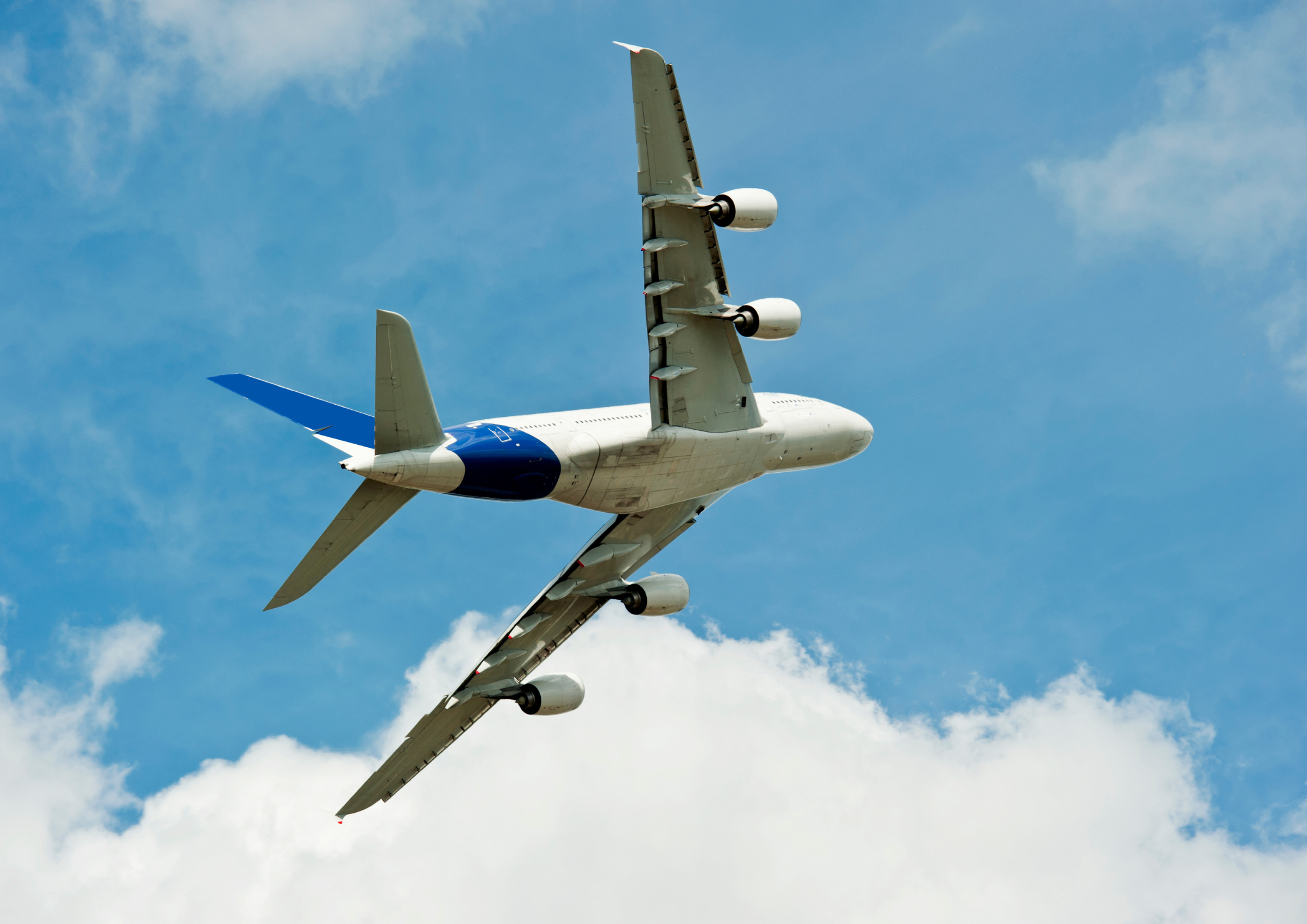 two full decks, four engines, and the capacity for over 500 passengers made it truly groundbreaking. Although the A380’s sheer scale was a triumph of engineering, it proved to be less viable as a business model. The A380 was designed for a hub-and-spoke model, rather than a point-to-point travel system. The business model of many airlines today, particularly the low-cost carriers, calls for smaller, more fuel-efficient twin-engine jets that can fly directly between cities.
Other cargo legends include the Boeing 747 Dreamlifter, a heavily modified 747 built to carry enormous aircraft components. In addition to this, the Antonov An-124 and An-225 Mriya are giants famous for transporting outsized cargo like generators, and even other full aircrafts. The An-225, sadly destroyed in Ukraine in 2022, remains the heaviest aircraft ever built and a reminder of how far cargo design can be pushed.
Sizing challenges
For aircraft of this size, building them is certainly a challenge, but proving to regulators that they can fly safely is an even bigger one. This is where EASA gets involved – to evaluate the aircraft and ensure it meets all the safety requirements and oversee the certification process to guarantee airworthiness. Before any oversized aircraft can carry cargo, every structural element, fire protection system, and smoke detector must be certified to meet safety standards.
As an example, cargo loads aren’t always neatly packaged. A satellite, a helicopter, or an engine can put enormous pressure on one small area of the floor. EASA’s role is to ensure that the structure can take that concentrated load and will not deform during flight. In addition, the aircraft must be able to fly as expected even when packed with unusual shapes and weights.
Load Balancing
Another complication is balance. Certification evaluates the balance of the aircraft and how loading one very heavy object in the wrong place could affect how the plane performs in the air.
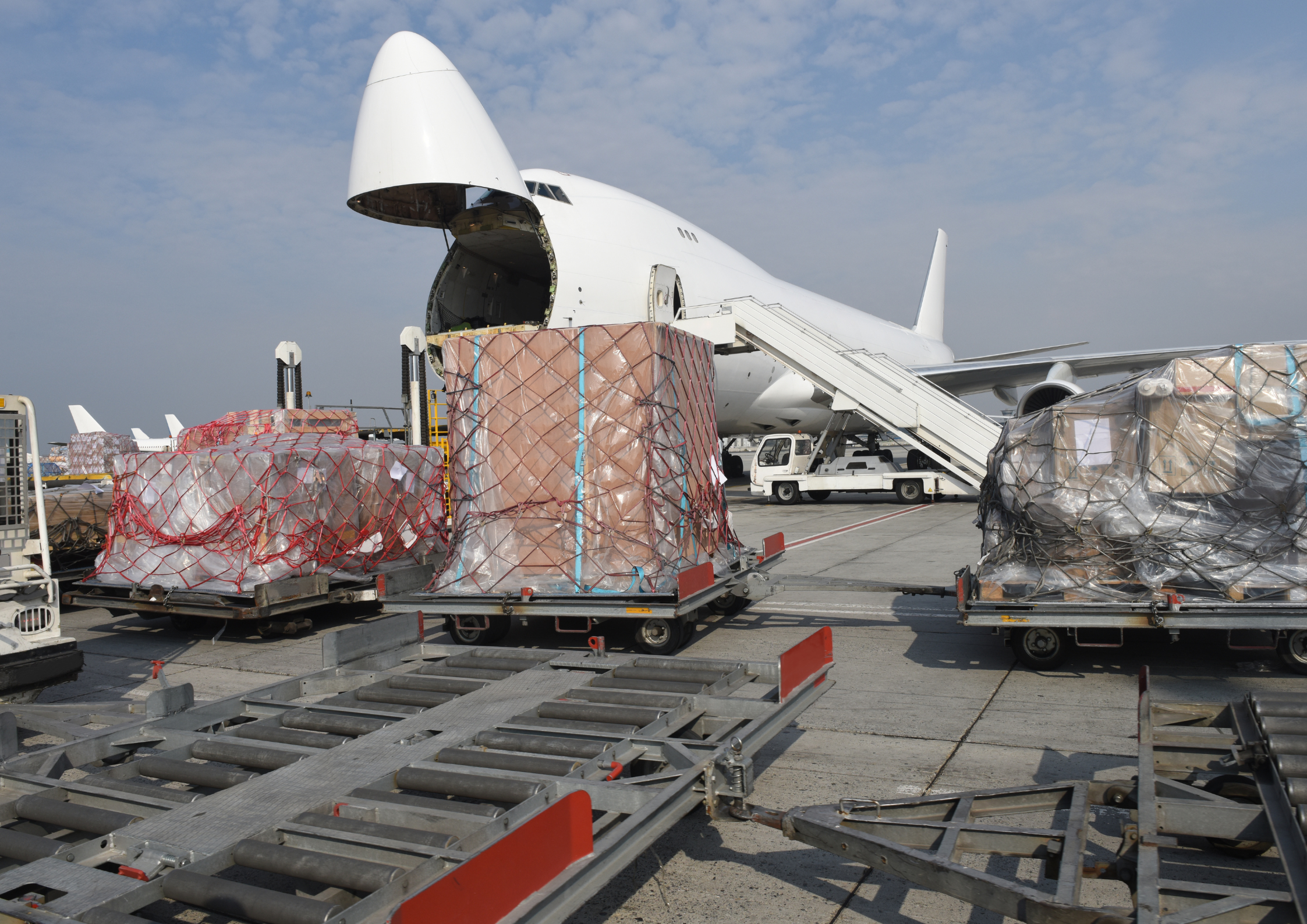
On a passenger flight, weight is distributed evenly: people, luggage, catering, and fuel. On a cargo aircraft, however, they often deal with odd shapes and dense materials. Even if the overall weight is acceptable, the way it is concentrated can throw off the aircraft’s handling qualities. That’s why operators follow Weight-and-Balance Manuals very precisely, and why every loading scenario must be analysed and approved before being certified. These manuals are essentially the rule book that defines how every load must be placed and secured.
Overall, the idea is not about how heavy the cargo is, but more so where it sits in the aircraft. A misplaced load can shift the centre of gravity and overstress the floor beams. That’s why EASA reviews not only the aircraft structure, but also the operators Weight and Balance Manual.
Civil, Military, and Humanitarian Roles
Large cargo military such as the Airbus A400M or the A330 MRTT (Multi Role Tanker Transport) are certified in cooperation with military authorities. These planes must juggle several purposes from fuelling fighters whilst still in the air and performing medical evacuations for civilians to helping with a humanitarian food drop. While military agencies have their own standards, they rely on EASA certification for core safety and design
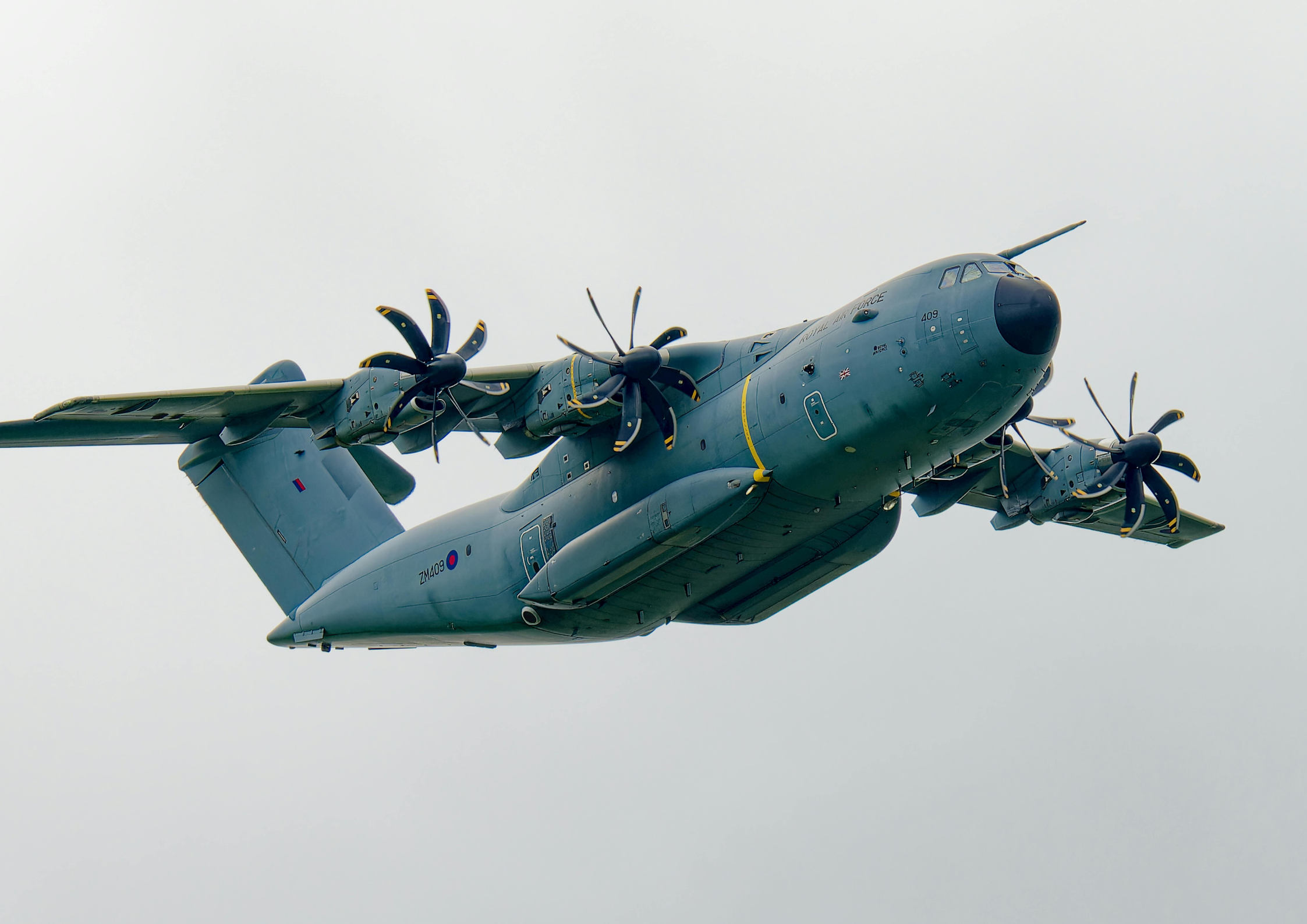
These cargo giants often serve missions that can be difficult to execute, however EASA certification ensures they can safely handle these demanding scenarios.
Looking Ahead
Whether it’s the quirky Beluga, or the once-majestic A380, oversized aircraft remind us that aviation is as much about problem-solving as it is about flying. Certifying these giants requires engineers, regulators, and operators to work hand in hand — balancing safety, physics, and practicality.
The next generation of freighters may not always be bigger; however, they will need to be smarter, more efficient, more flexible, and able to take on roles we can only imagine today.