
Have you ever looked up at the sky, spotted a plane gliding high above the clouds, and wondered, how does that enormous machine stay in the air?
It seems almost impossible that something made of metal, carrying hundreds of passengers and their luggage, can soar so gracefully across the globe. Behind every flight lies a fascinating balance of physics and design.
The 4 main forces
At the core of flying there are four main forces: lift, weight, thrust, and drag. They essentially act as an invisible team that makes every journey possible. Lift pulls the plane upward, weight pulls it downward, thrust propels it forward, and drag resists its motion. The key to flight is maintaining the right balance between all four… your thrust is higher than the drag you accelerate, and if you put the aircraft nose up using the elevator you will start climbing.
Lift is generated mainly by the wings. The wings profiles (also called airfoil) are shaped with a gentle curve on top and a flatter surface underneath. As the aircraft moves forward, air flows faster over the curved upper surface and slower beneath. This difference in airspeed creates lower pressure above the wing and higher pressure below it, producing an upward force strong enough to counter gravity. The faster the air moves over the wings, the greater the lift, and when it becomes higher than the weight, you climb!
Weight, on the other hand, is gravity doing what it is known to do. It’s what keeps us grounded and constantly tries to pull the aircraft back to Earth. To rise into the sky, lift must overcome this downward pull. Once the two forces are balanced, the plane maintains level flight, gliding steadily through the air.
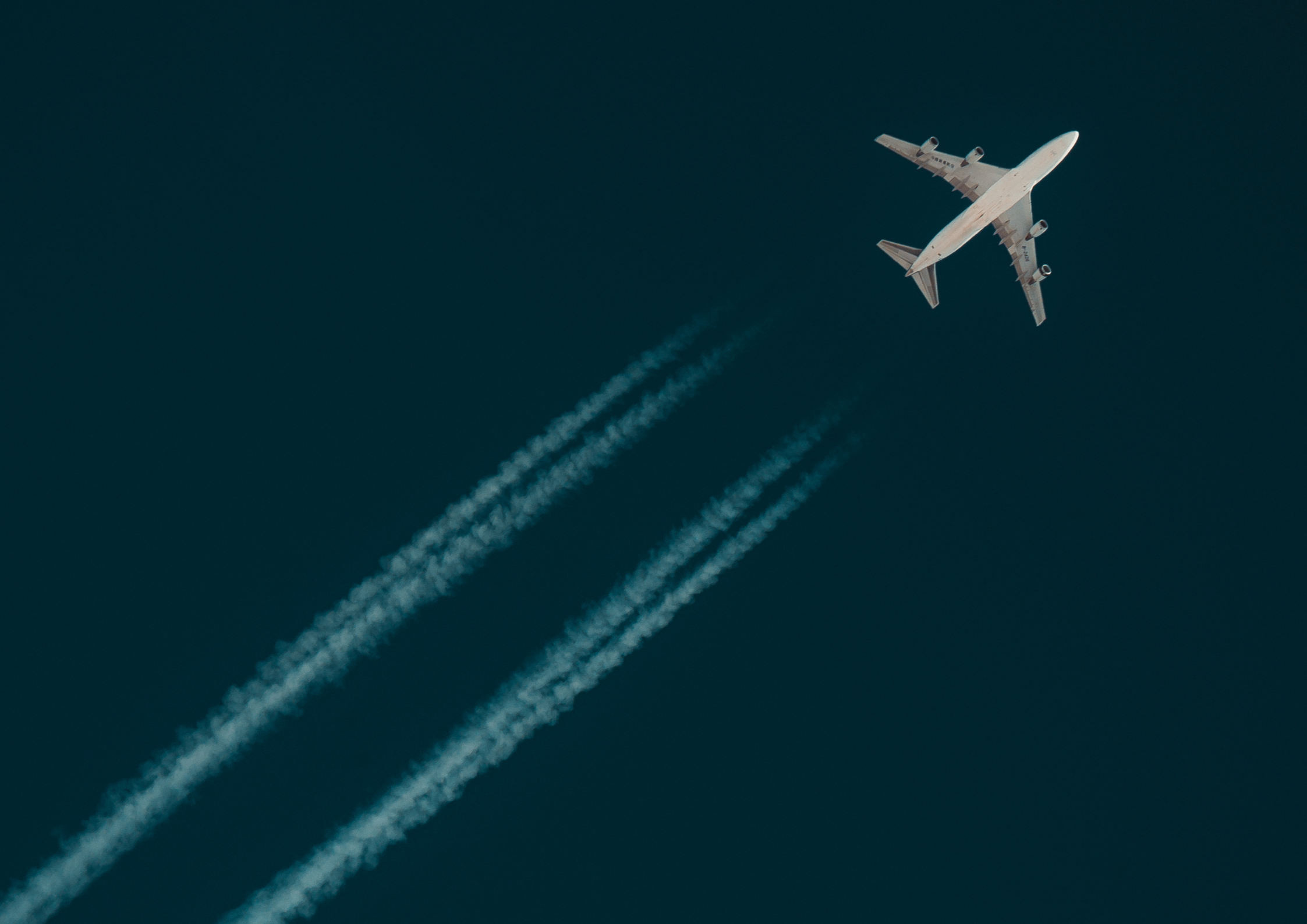
Then comes thrust, provided by the engines. Whether it’s a roaring jet engine or a spinning propeller, thrust pushes the aircraft forward through the air. Without speed, the wings wouldn’t generate lift.
The final force, drag, is essentially air resistance. The natural friction that tries to slow the plane down. Engineers spend years designing sleek shapes and smooth surfaces to maximise lift and reduce drag as much as possible, allowing aircraft to move efficiently and conserve fuel – and EASA is here for the whole certification process.
How it all comes together
Every part of an aircraft has a purpose. The ailerons which are located near the ends of the wings help the plane roll left or right. The elevator on the tail tilts the nose up or down to control climb and descent. The rudder, attached to the vertical fin, steers the plane from side to side. Working together, these allow the pilot to navigate through the sky with remarkable precision and safety.
Modern aircraft also rely on advanced technology to keep everything in perfect harmony. Computers continuously monitor flight conditions and make micro-adjustments faster than any human could. Wings are designed to flex in turbulent air, absorbing some of the energy generated by the turbulences and keeping the ride as smooth as possible.
Back to the basics
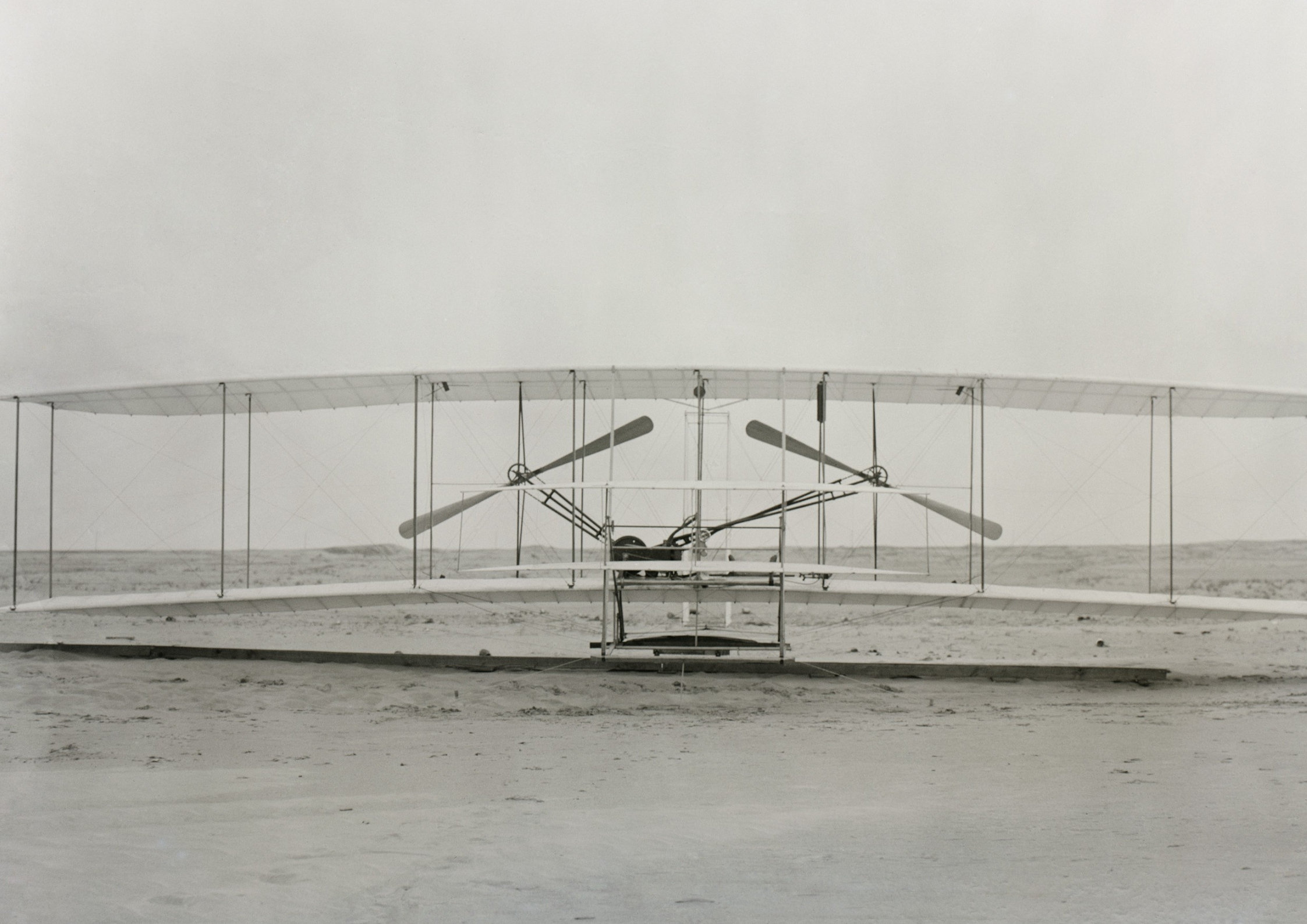
Despite all the technology, the physics of flight hasn’t changed since the Wright brothers first took off in 1903. Whether it’s a glider drifting over a hill or a commercial aircraft crossing a country, they all depend on the same principles. Lift must balance weight and thrust must overcome drag.
What makes flying so remarkable is how effortless it appears. From the ground, a plane looks like it’s floating, but up close it’s a masterpiece of physics in motion.
So, the next time you’re on a flight, gazing out of the window as the world turns small beneath you, take a moment to appreciate what’s really happening. Every second, the forces of physics are perfectly balanced around you. The wings are sculpting the air, the engines are pushing you forward, and the pilots and cabin crew are there to keep you safe.