
After handing in your suitcase at check-in it vanishes into a hidden world of conveyor belts, scanners, and storage containers. What seems like a simple handoff is actually the start of a highly orchestrated journey that unites speed, precision and safety all in one. Ranging from detecting dangerous goods, to keeping your aircraft properly balanced, every stage of your bag’s journey is carefully monitored and supervised by ground handling staff. Once your bag has reached its destination it has already been though a labyrinth of technology and regulations before you even lay hands on it to pick it up at baggage claim.
So, what really happens on the journey of your suitcase?
Arrival at the check in desk
Your suitcase’s journey starts at the check-in counter. At this stage airline staff weigh, tag, and register your bag in the system. This information will later feed into the load sheet. The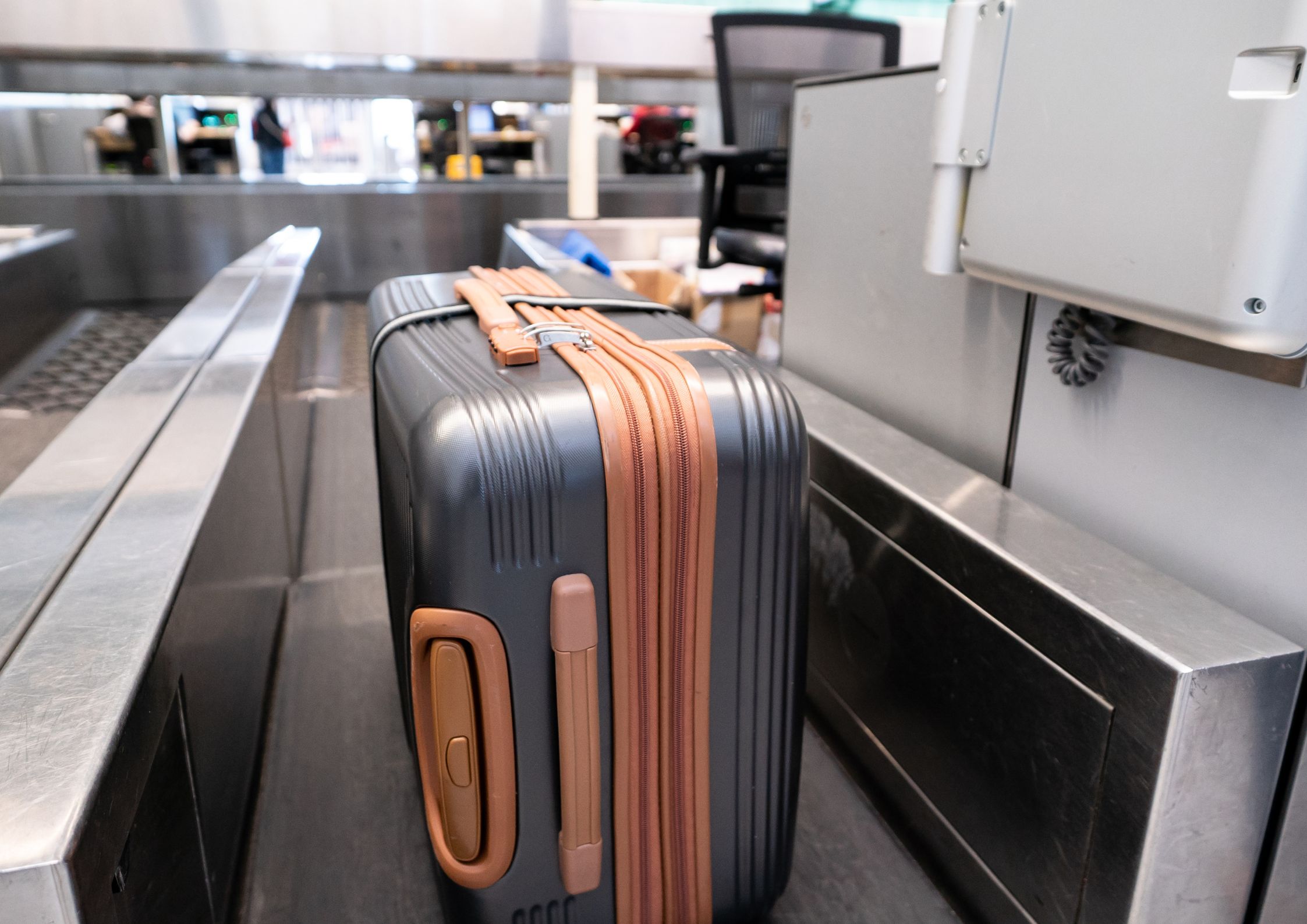 load sheet is a crucial document that tells the captain how the aircraft is balanced, right down to bags, fuel, catering supplies, and the distribution of passengers.
Because aviation relies heavily on honesty from the passenger, declarations if you are carrying dangerous goods are imperative. Even before a passenger gets to the airport, the dangerous goods announcements and online reminders are there to reinforce the rules on what you can and cannot pack.
Security Screening
Once checked in, bags are moved to security screening. At this stage x-ray systems and sometimes manual inspections are used to detect prohibited items. But technology is becoming more advanced. The industry is now testing and implementing innovative alternatives. For example, in some airports dogs are trained to sniff out hidden lithium batteries as they remain one of the most common dangerous goods carried by passengers.
Unlike your carry-on, where security officers can directly confiscate prohibited items, checked in luggage presents a bigger challenge. If something dangerous is spotted, ground handlers must remove or repackage it, and in some cases, fines or more severe consequences may follow.
Baggage sorting
After screening, bags enter a vast network of conveyor belts. Often described as the “roadways” of the airport. Each suitcase is scanned, routed, and then built into Unit Load Devices (ULDs), the large containers that fit into the aircraft’s belly, or loaded onto a vehicle that transports the cases directly to the aircraft for loading, depending on the aircraft type.
For transfer passengers, bags may even undergo a second round of screening before being rebuilt into new ULDs for the onward journey.
Loading
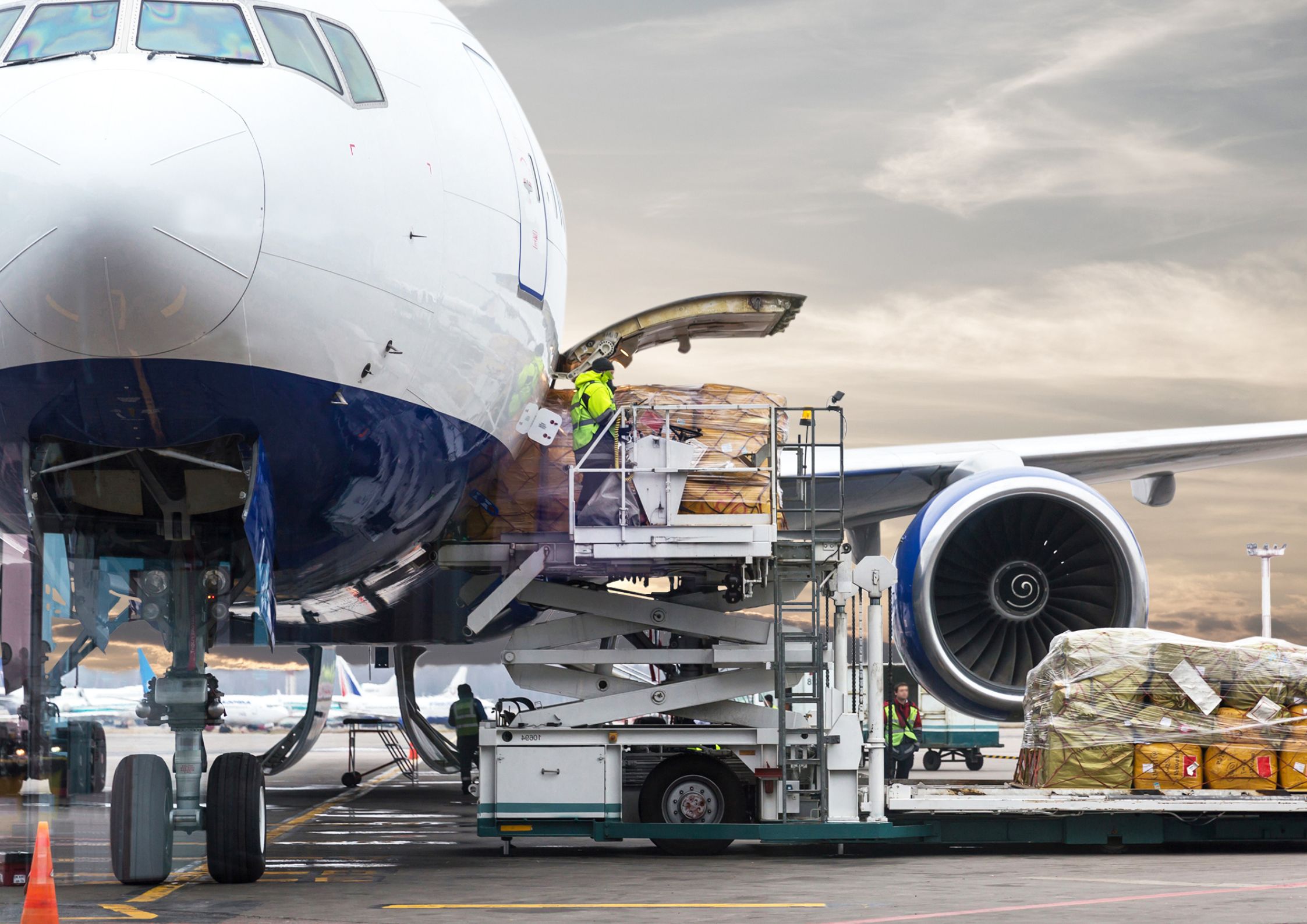
Loading is not a random process done by ground handling staff. Bags are stowed according to a weight and balance manual regulated by EASA and provided by the aircraft manufacturer. This ensures the aircraft is stable and fuel-efficient during take-off, flight, and landing.
Dangerous goods that are declared, such as certain types of lithium batteries, are placed in specific compartments, separated from heat-sensitive cargo. Every adjustment is carefully logged, and if changes are made after the initial plan, the lead captain or first officer must be informed and sign off on the update.
The Flight
Once airborne, your suitcase becomes part of a tightly regulated system. The location, weight, and even chemical nature of cargo have already been accounted for in the aircraft’s performance calculations. This is why regulations from bodies like EASA, ICAO, and IATA guide airlines on how baggage and cargo must be handled.
Arrival
On landing, the process runs in reverse. Bags are unloaded, sorted again, and either transferred to a connecting flight or moved to the baggage claim hall. For connecting passengers, this may mean another round of checks before bags are reloaded onto a new aircraft.
Baggage Claim
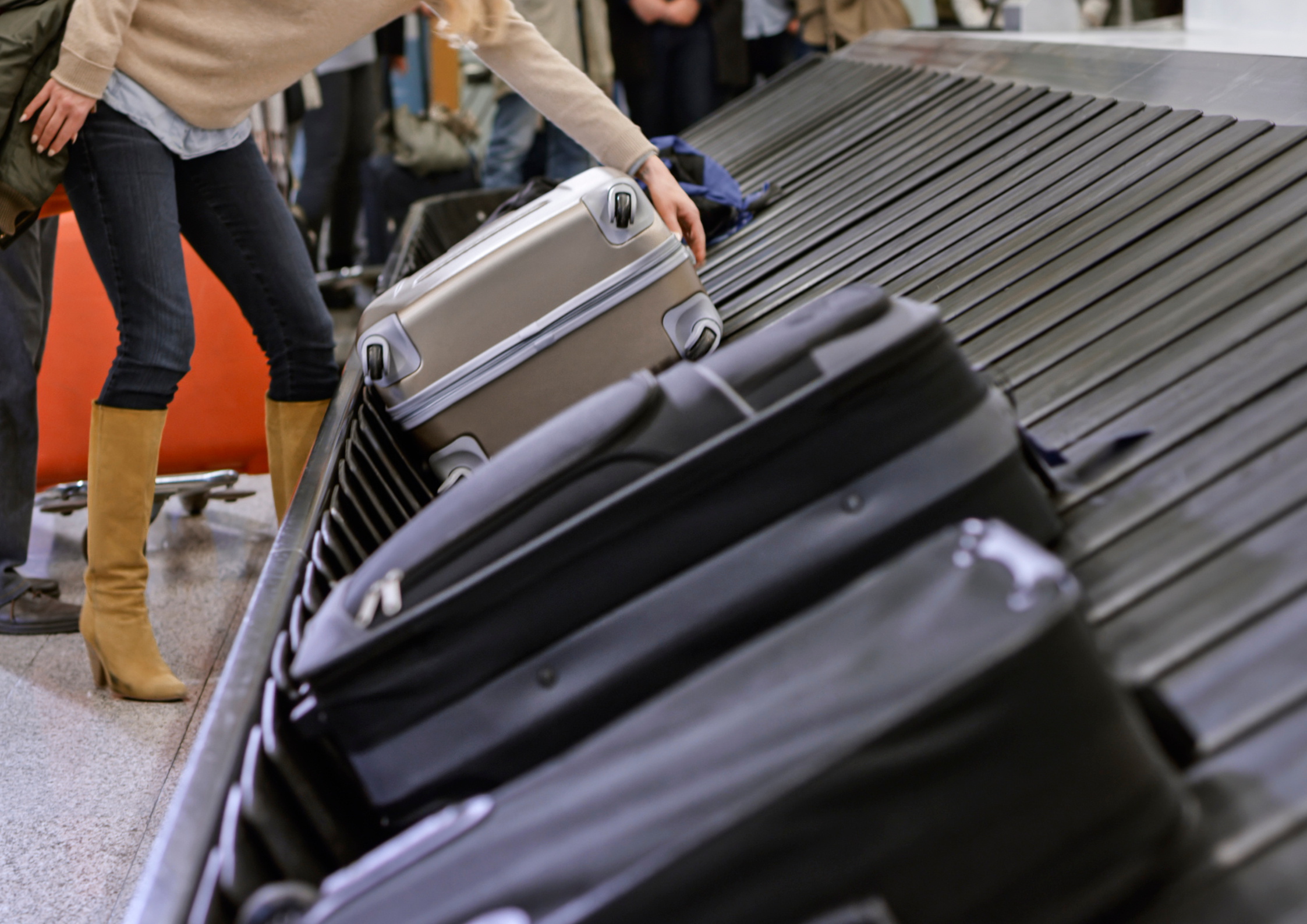
Finally, after a long and carefully controlled journey, your suitcase reappears on the carousel. By the time you spot it, it has been through multiple security checks, precise weight calculations, and meticulous handling procedures.
The Bigger Picture
For the average passenger baggage handling may seem to be just about moving suitcases from point A to point B. But behind the scenes it’s a vital part of aviation safety. Every part of the process starting from check-in declarations to final unloading is built on a foundation of delicate balance of technology, regulation, and trust in passengers.
So next time you collect your suitcase, remember it’s not just your belongings inside. It’s a journey shaped by safety, precision, and the quiet work of thousands of unseen hands.