
Filters
Cover regulation
Cover Regulation
COMMISSION IMPLEMENTING REGULATION (EU) 2021/664
of 22 April 2021
on a regulatory framework for the U-space
Implementing Regulation (EU) 2021/664
THE EUROPEAN COMMISSION,
Having regard to the Treaty on the Functioning of the European Union,
Having regard to Regulation (EU) 2018/1139 of the European Parliament and of the Council of 4 July 2018 on common rules in the field of civil aviation and establishing a European Union Aviation Safety Agency, and amending Regulations (EC) No 2111/2005, (EC) No 1008/2008, (EU) No 996/2010, (EU) No 376/2014 and Directives 2014/30/EU and 2014/53/EU of the European Parliament and of the Council, and repealing Regulations (EC) No 216/2008 and (EC) No 552/2004 of the European Parliament and of the Council and Council Regulation (EEC) No 3922/914, and in particular Article 57 and Article 62(14) and (15) thereof,
Whereas:
(1)Commission Delegated Regulation (EU) 2019/9455 and Commission Implementing Regulation (EU) 2019/9476 established a first set of detailed provisions for the harmonised operation of unmanned aircraft systems (‘UAS’) and minimum technical requirements for UAS.
(2)The rising number of UAS entering the airspace and increased complexity of operations of UAS beyond visual line of sight (BVLOS), initially at very low level, poses safety, security, privacy and environmental risks.
(3)In certain areas, such as primarily in those with an expected large number of simultaneous operations of UAS or areas where UAS operate alongside manned aircraft, the safe, secure and efficient integration of UAS in the airspace necessitates the introduction of additional specific rules and procedures for their operations and the organisations involved in those operations, as well as a high degree of automation and digitalisation.
(4)When Member States define UAS geographical zones for safety, security, privacy or environmental reasons as provided for in Implementing Regulation (EU) 2019/947, they may impose specific conditions for certain or all UAS operations or allow access only to UAS equipped with certain technical features.
(5)It is necessary to define a minimum set of requirements for the UAS operations in certain UAS geographical zones, which should be called U-space airspace for the purposes of this Regulation. The access by UAS operators to such U-space airspace should be conditional on the use of certain services (‘U-space services’) that allow the safe management of a large number of UAS operations, respecting also applicable security and privacy requirements.
(6)There should be minimum requirements for UAS operators and U-space service providers for equipment and performance of the UAS and for the services provided in the U-space airspace in order to ensure the safety of operations in that airspace.
(7)The rules and procedure applicable to UAS when operating in the U-space airspace should be proportionate to the nature and risk of the operations.
(8)In particular, since operations with unmanned aircraft with a maximum take-off mass of less than 250g and performed in visual line of sight (VLOS) are presenting a low risk, UAS operators should not be required to comply with the U-space airspace requirements as regards those operations. Similarly, considering their good safety record, model aircraft operations in the framework of authorised clubs and associations should be able to continue their operations as they do now, namely without the need to comply with the U-space airspace requirements.
(9)Harmonised rules for UAS operations in the U-space airspace, standardised services delivered to UAS operators as well as connectivity methods between providers of the common information services, the U-space service providers, the air traffic service provider and the UAS operators should be established to ensure the safe, secure and efficient operation of UAS, while facilitating the free movement of services linked to UAS as well as U-space service providers in the Union.
(10)Member States should establish U-space airspace and U-space airspace requirements, including additional U-space services with the support of a risk assessment in order to ensure the safety of UAS operations in that U-space airspace.
(11)Minimum coordination requirements between Member States should be introduced in case those Member States establish a cross-border U-space airspace in order to ensure the safety of UAS operations in that U-space airspace.
(12)In order to allow UAS to safely operate alongside manned aircraft, specific coordination procedures and communication facilities between relevant air traffic service units, U-space service providers and UAS operators are necessary. Those coordination procedures and communication facilities are laid down in Commission Implementing Regulation (EU) 2017/3737 as amended by Implementing Regulation (EU) 2021/6658.
(13)Although military and State aircraft operations are excluded from the scope of this Regulation, there is a need to ensure safe separation of aircraft in the U-space airspace. Therefore, Member States should be able to define static and dynamic U-space airspace restrictions to enable such operations in a safe and efficient manner.
(14)Member States should ensure that common information services are made available for every U-Space airspace to enable non-discriminatory access to U-space airspace and services for UAS operators, with particular regard to safety. Member States should however be able to designate a single common information service provider to provide the common information services on an exclusive basis in respect of all or some of the U-space airspaces under their responsibility.
(15)The provision of common information services to U-space service providers should be timely and corresponding to the quality requirements laid down by this Regulation.
(16)This Regulation should establish requirements for common interoperable open communication protocols between authorities, service providers and UAS operators, as well as data quality, latency and protection requirements for the information exchanged, necessary for safe and interoperable operations in the U-space airspace.
(17)UAS operators should operate in U-space airspace only if they make use of the U-space services that are indispensable to ensure safe, secure, efficient and interoperable operations. U-space service providers should provide at least the following mandatory U-space services: a network identification service, a geo-awareness service, a UAS flight authorisation service and a traffic information service.
(18)A network identification service should provide the identity of UAS operators, and the location and flight vector of UAS during normal operations and in contingency situations, and share relevant information with other U-space airspace users.
(19)A geo-awareness service should provide UAS operators with the information about the latest airspace constraints and defined UAS geographical zones information made available as part of the common information services. In accordance with Implementing Regulation (EU) 2019/947, the establishment of UAS geographical zones should take into account safety, security, privacy and environmental requirements.
(20)A UAS flight authorisation service should ensure that authorised UAS operations are free of intersection in space and time with any other notified UAS flight authorisation within the same portion of U-space airspace.
(21)A traffic information service should alert UAS operators about other air traffic that may be present in proximity to their UAS.
(22)In order to allow unmanned aircraft to safely operate alongside manned aircraft in U-space airspace, rules providing for effective signalling of the presence of manned aircraft by means of surveillance technologies are necessary. Those rules are laid down in Commission Implementing Regulation (EU) No 923/20129 as amended by Implementing Regulation (EU) 2021/66610.
(23)In order to ensure the safe operation in a given U-space airspace and with the support of a risk assessment, Member States should be able to require that other U-space services such as a weather information service and a conformance monitoring service are mandatory.
(24)A weather information service should support UAS operators during the flight planning and execution phases, as well as improve the performances of other U-space services provided in the U-space airspace.
(25)A conformance monitoring service should provide real-time alerting of non-conformance with the granted flight authorisation and inform the UAS operators when deviating from it.
(26)To ensure the provision of safe and high-quality U-space services, this Regulation lays down a common certification scheme for certifying U-space service providers and, when designated by Member States, for a single common information service provider, as well as a set of rules for regular monitoring of compliance with the applicable requirements.
(27)The tasks of the competent authorities designated by the Member States in accordance with Regulation (EU) 2018/1139 should be clearly defined.
(28)This Regulation should not apply to aircraft operations carrying out military, customs, police, search and rescue, firefighting, border control and coastguard or similar activities and services undertaken in the public interest, under the control and responsibility of a Member State or on behalf of a body vested with the powers of a public authority unless the Member State has decided pursuant to Article 2(6) of Regulation (EU) 2018/1139 to apply rules on unmanned aircraft to some or all of those activities.
(29)Safety management ensures the identification, assessment and minimisation of safety risks as well as security vulnerabilities, that have an impact on safety. Therefore, U-space services providers and single common information service providers should duly establish management systems to ensure the safe and secure operations of UAS in the U-space airspace.
(30)The U-space services providers and single common information service providers should establish a system of record keeping that allows adequate storage of the records and reliable traceability of all their activities, covering in particular all the elements of their management systems.
(31)In order to ensure the proper implementation of this Regulation, Member States and affected stakeholders should be given sufficient time to adapt their procedures to the new regulatory framework before this Regulation applies.
(32)The Agency prepared a draft implementing act and submitted it with Opinion No 01/202011 in accordance with Article 75(2), points (b) and (c) and Article 76(1) of Regulation (EU) 2018/1139.
(33)The measures provided for in this Regulation are in accordance with the opinion of the Committee established by Article 127 of Regulation (EU) 2018/1139.
HAS ADOPTED THIS REGULATION:
CHAPTER I — PRINCIPLES AND GENERAL REQUIREMENTS
Article 1 — Subject matter and scope
Implementing Regulation (EU) 2021/664
1.This Regulation lays down rules and procedures for the safe operations of UAS in the U-space airspace, for the safe integration of UAS into the aviation system and for the provision of Uspace services.
2.This Regulation shall apply, within the UAS geographical zones established as U-space airspace by Member States, to:
(a)operators of UAS;
(b)U-space service providers;
(c)providers of common information services.
3.This Regulation shall not apply to operations of UAS conducted:
(a)in the framework of model aircraft clubs and associations that have received an authorisation in accordance with Article 16 of Implementing Regulation (EU) 2019/947;
(b)in subcategory A1 of the ‘open’ category of operations with an unmanned aircraft that:
(i)in the case of a privately built UAS, has a maximum take-off mass, including payload, of less than 250 g and a maximum operating speed of less than 19 m/s; or
(ii)is marked as class C0 and complies with the requirements of that class, as defined in Part 1 of the Annex to Delegated Regulation (EU) 2019/945; or
(c)in accordance with SERA.5015 instrument flight rules of Implementing Regulation (EU) No 923/2012.
GM1 Article 1(1) Subject matter and scope
ED Decision 2022/022/R
SCOPE — MILITARY AND STATE AIRCRAFT
(a)Although military and State aircraft operations are in principle excluded from the scope of Regulation (EU) 2018/113912 and its implementing and delegated acts, the safety of such operations is paramount when conducted in airspace that is subject to EU aviation safety regulations. In this context, the safe separation between military and State aircraft also in the U-space airspace is always expected during all stages of flight.
(b)It is recalled that when defining UAS geographical zones in accordance with Article 15 of Regulation (EU) 2019/94713, Member States should also consider other aspects than safety, such as security aspects. Indeed, a Member State could designate a U-space airspace in critical areas for security and/or defence reasons, including military and State aircraft operations.
(c)In this context, military and State aircraft authorities are partners in the decision-making process of the coordination mechanism (as per Article 18(f) of Regulation (EU) 2021/66414) for the designation of U-space to cover the safety and security aspects in a U-space airspace, from the initial ‘airspace risk assessment’ until the U-space is implemented and monitored.
(d)The involvement of military authorities in relation to U-space is considered key to guaranteeing the level of safety and security in the U-space airspace from both a ground and an air risk perspective.
(e)For example, military and State aircraft that conduct short-notice off-airfield landings while carrying out their assigned operations may require portions of the U-space to be adjusted or possibly deactivated. In this case, air traffic control units should apply the dynamic reconfiguration of the U-space airspace at short notice, if/when required by military and State aircraft, as necessary, in accordance with the principles of Article 4 of Regulation (EU) 2021/664.
GM2 Article 1(1) Subject matter and scope
ED Decision 2022/022/R
SCOPE — SUPPORT TO PASSENGER OPERATIONS
At this stage of the implementation, the U-space is not foreseen to support passenger operations, which are today carried out with manned VTOL-capable aircraft and which ultimately could be autonomously performed with e-VTOL UAS.
Indeed, the U-space system is intended to ensure the segregation of manned aircraft subject to air traffic control or the remain-well-clear spacing of manned aircraft not subject to air traffic control, including manned VTOL-capable aircraft. UAS operations currently foreseen in urban environments are UAS carrying payload or goods, but not humans. Therefore, today, the U-space regulatory framework has been designed and relies on the overall assumption that drone-to-drone collisions will ultimately have limited consequences.
The integration of UAS passenger-carrying operations will require the reassessment of the whole Uspace framework, with particular focus on:
(a)the acceptable level of safety (ALS) that will have to be strengthened in maintaining appropriate safety levels for manned aviation (i.e. to mitigate the risk of human casualties);
(b)complementary enablers/prerequisites that may be required to support the safety of such operations (e.g. additional mandatory U-space services and on-board functionalities).
GM1 Article 1(3) Subject matter and scope
ED Decision 2022/022/R
APPLICABILITY
(a)The scope of Regulation (EU) 2021/664 is limited to unmanned aircraft, as well as to natural and legal persons involved in their operation; in the context of this Regulation: UAS operators, Uspace service providers (USSPs), and common information services (CIS).
(b)Therefore, the requirements on ATS providers or the requirements related to manned aircraft operations are not included in this Regulation. Instead, the provisions pertaining to ATS providers are included in a dedicated amendment to Regulation (EU) 2017/37315 through Regulation (EU) 2021/665. The provisions related to manned aircraft are included in a dedicated amendment to Regulation (EU) No 923/201216 (the SERA Regulation) through Regulation (EU) 2021/666 on implementing acts as regards air operations as well as the use of airspace and the design of airspace structures respectively.
(c)Regulation (EU) 2021/664 does not apply to the following UAS operations for the following reasons:
(1)model aircraft operating in the framework of model aircraft clubs and associations that have received an authorisation in accordance with Article 16 of Regulation (EU) 2019/947 have demonstrated a good level of safety in clubs and associations, which allows to keep the seamless transition from the different national systems to the new Union regulatory framework provided for by Regulation (EU) 2019/947 is maintained;
(2)unmanned aircraft of a maximum take-off mass (MTOM) of less than 250 g when used in subcategory A1 of the ‘open’ category do not represent a significant safety risk in case of collision; this includes privately built unmanned aircraft of a MTOM of less than 250 g, as well as class C0 UAS as defined in Regulation (EU) 2019/94517, including those that are toys in the meaning of Directive 2009/48/EC18;
(3)UAS flying according to instrument flight rules (IFR) in accordance with the current standardised European rules of the air (SERA); they benefit from the provision of air traffic service (ATS), as summarised in Appendix 4 to Regulation (EU) No 923/2012; this does not exclude certified UAS from flying in U-space airspace with the support of U-space services; and
(d)Finally, it is recalled that Regulation (EU) 2021/665 does not apply to UAS that carry out military, customs, police, search and rescue, firefighting, border control and coastguard or similar activities and services undertaken in the public interest, by virtue of the scope defined in Article 2(3)(a) of Regulation (EU) 2018/1139.
GM2 Article 1(3) Subject matter and scope
ED Decision 2022/022/R
MAXIMUM CEILING OF U-SPACE AIRSPACE
To ensure an additional strategic layer of mitigation as regards separation between manned and unmanned aircraft, Member States may consider limiting the U-space airspace to a 150 m (500 ft) height above the ground or water, in particular when the U-space airspace is designated in uncontrolled airspace.
Considering the novelty of the U-space and the lack of experience with its implementation, this limitation is deemed desirable to ensure safety of operations in the U-space airspace across the EU.
In this context, Member States may nevertheless decide to designate U-space airspace with a height greater than 150 m (500 ft) above the ground or water in controlled or uncontrolled airspace provided that there are additional services and means available to ensure a common reference altitude system between UAS and manned traffic, as well as additional U-space services and performance requirements for the services derived from the airspace risk assessment.
Article 2 — Definitions
Implementing Regulation (EU) 2021/664
For the purposes of this Regulation, the definitions in Implementing Regulation (EU) No 923/2012, Implementing Regulation (EU) 2017/373, Delegated Regulation (EU) 2019/945, and Implementing Regulation (EU) 2019/947 apply. The following definitions also apply:
(1)‘U-space airspace’ means a UAS geographical zone designated by Member States, where UAS operations are only allowed to take place with the support of U-space services;
(2)‘U-space service’ means a service relying on digital services and automation of functions designed to support safe, secure and efficient access to U-space airspace for a large number of UAS;
(3)‘airspace risk assessment’ means an evaluation of operational, safety and security risks that takes into account the required levels of safety performance as defined in the European Plan for Aviation Safety and the State Safety Programme referred to in Articles 6 and 7 of Regulation (EU) 2018/1139, the type, complexity and density of the traffic, the location, altitudes or heights and the airspace classification;
(4)‘common information service’ means a service consisting in the dissemination of static and dynamic data to enable the provision of U-space services for the management of traffic of unmanned aircraft;
(5)‘principal place of business’ means the head office or registered office of a U-space or common information service provider in the Member State within which the principal financial functions and operational control of the service provider are exercised;
(6)‘dynamic airspace reconfiguration’ means the temporary modification of the U-space airspace in order to accommodate short-term changes in manned traffic demand, by adjusting the geographical limits of that U-space airspace.
GM1 Article 2(6) Definitions
ED Decision 2022/022/R
DYNAMIC AIRSPACE RECONFIGURATION — SHORT-TERM CHANGES
Under the definition of ‘dynamic airspace reconfiguration’, the phrase ‘short-term changes in manned traffic demand’ may cover various cases ranging from clearing the path of an aircraft in emergency or distress, to accommodating unexpected traffic demand due to any contingency situation or allowing a shorter route for an individual flight, as well as potential U-space airspace restrictions to enable military and State operations. But the objective is to keep these cases exceptional when establishing the U-space airspace, for the sake of safety and efficiency of the aviation system.
CHAPTER II — U-SPACE AIRSPACE AND COMMON INFORMATION SERVICES
Article 3 — U-space airspace
Implementing Regulation (EU) 2021/664
1.Where Member States designate U-space airspace for safety, security, privacy or environmental reasons such designation shall be supported by an airspace risk assessment.
2.All UAS operations in the U-space airspace shall be subject to at least the following mandatory U-space services:
(a)the network identification service referred to in Article 8;
(b)the geo-awareness service referred to in Article 9;
(c)the UAS flight authorisation service referred to in Article 10;
(d)the traffic information service referred to in Article 11.
3.For each U-space airspace, based on the airspace risk assessment referred to in paragraph 1, Member States may require additional U-space services selected from the services referred to in Articles 12 and 13.
4.For each U-space airspace, based on the airspace risk assessment referred to in paragraph 1 and using the criteria set out in Annex I, Member States shall determine:
(a)the UAS capabilities and performance requirements;
(b)the U-space services performance requirements;
(c)the applicable operational conditions and airspace constraints.
5.Member States shall give access to U-space service providers to the relevant data, if required for the application of this Regulation, as regards to:
(a)the UAS operators registration system, referred to in Article 14 of Implementing Regulation (EU) 2019/947, of the Member State in which U-space service providers offer their services; and
(b)UAS operators registration systems of other Member States through the repository of information referred to in Article 74 of Regulation (EU) 2018/1139.
6.Member States shall make the information on the U-space airspace available in accordance with Article 15(3) of Regulation (EU) 2019/947, as well as through their aeronautical information service.
7.Where Member States decide to establish a cross-border U-space airspace, they shall jointly decide on:
(a)the designation of the cross-border U-space airspace;
(b)the provision of cross-border U-space services;
(c)the provision of cross-border common information services.
GM1 Article 3 U-space airspace
ED Decision 2022/022/R
GENERAL
(a)Member States have complete and exclusive sovereignty over the airspace above their territory and, therefore, have full authority over the designation of the U-space airspace.
(b)The designation of the U-space airspace is driven by safety, security, privacy or environmental considerations.
(c)For the designation of the U-space airspace, Member States are expected to assess numerous safety-significant factors, including, among others:
(1)the type, density, and complexity of existing and planned unmanned traffic, including UAS operations taking place in the context of authorised model aircraft clubs and associations;
(2)the type, density, and complexity of existing and planned manned traffic, including air sports activities;
(3)the operational capacity of the designated ATS providers to interface with the CIS provider and USSPs in the designated U-space airspace;
(4)the operational capacity of USSPs and, when relevant, the single CIS provider;
(5)the complexity of the airspace structure;
(6)the availability of safe and secure communication mechanisms to enable UAS operators and USSPs to exchange digital information;
(7)the classification of the airspace and the services provided to instrument flight rule (IFR) and visual flight rule (VFR) aircraft;
(8)existing UAS geographical zones defined in accordance with Article 15 of Regulation (EU) 2019/947; and
(9)the topographical environment and prevalent meteorological conditions.
(d)Conversely, when a Member State considers issuing a new authorisation to model aircraft clubs and associations or when defining new UAS geographical zones, already designated U-space airspace should be considered.
(e)Initial designations of U-space airspace are expected to take place at low-level altitude, e.g. below 500 ft, and where there is very little expected manned traffic.
(f)Besides the four mandatory U-space services, Member States may decide that additional Uspace services are needed to support the safe, secure, and efficient conduct of UAS operations in specific volumes of U-space airspace.
(g)The regular reassessment of the U-space airspace is expected to be conducted by the Member States to evaluate its effectiveness in supporting the safe, secure, and efficient conduct of UAS operations.
AMC1 Article 3(1) U-space airspace
ED Decision 2022/022/R
AIRSPACE RISK ASSESSMENT
The designation of the U-space airspace is intended to enable the safe management of a large number of UAS operations, while ensuring safety continuum as regards manned aviation:
(a)The airspace risk assessment should primarily consider the air risk and the related ground risk as a collateral effect of UAS mid-air collisions, and should ensure that the related hazards are adequately addressed.
(b)The airspace risk assessment should cover, as a minimum:
(1)hazard identification, including safety, security, privacy and environmental hazards;
(2)risk analysis, meaning the evaluation of the likelihood and severity of harmful effects induced by the identified hazards;
(3)based on the previous analysis, the definition of mitigation actions that should be taken when necessary to ensure an acceptable risk level.
(c)The airspace risk assessment should further allow to derive the U-space airspace design, performance requirements, constraints, etc., required to enable safe operations.
(d)The reassessment of the U-space airspace should be conducted to:
(1)support the introduction of major changes to the designated U-space airspace; and
(2)dynamically evaluate its adequacy and adjust its definition based on the experience gained from operations and major evolutions that may occur in its environment (e.g. emergence of critical ground infrastructures, extension of populated areas).
(e)The airspace risk assessment process should consider the coordination mechanism laid down in Article 18(f) of Regulation (EU) 2021/664.
GM1 Article 3(1) U-space airspace
ED Decision 2022/022/R
REASONS FOR THE DESIGNATION OF U-SPACE AIRSPACE
The U-space airspace may be designated for several reasons; for example:
(a)Safety
(1)Having the need to share a common volume of airspace between manned and unmanned aircraft;
(2)To improve the visibility (e.g. by means of electronic conspicuity) of (un)manned aircraft, thus enabling a known traffic environment;
(3)To decrease the risk on ground in the case of multiple UAS flying over an assembly of people in urban areas or over highly populated areas (in combination with other means such as the certification of unmanned aircraft, UAS operators, etc.); and
(4)In the case of high UAS density, there could be a specific need to reduce the risk of UAS mid-air collision by organising the traffic through the introduction of certain UAS route structures. U-space services, such as geo-awareness, may provide support in that respect.
(b)Economy
(1)To ensure a fair and efficient sharing of the airspace volume between manned and unmanned aircraft, and between manned aircraft;
(2)To enable more complex and denser UAS operations; and
(3)To support the development of the drone sector and the provision of associated services to the public.
(c)Security
(1)To improve the visibility of unmanned aircraft by having most of the airspace users identified;
(2)To support the enforcement of local regulations and rules (e.g. prohibition of flights over sensitive sites, limited schedules, specific performance requirements) where there are too frequent violations, if the availability of the related UAS geographical zones is not sufficient to ensure the effective application of flight constraints to support UAS operations. This may notably concern the protection of critical infrastructures and no-fly zones;
(3)To support Member States’ authorities in identifying, responding to, and investigating the use of UAS for malicious or unlawful purposes; and
(4)To support the protection of services that are critical to the proper functioning of the Member States, the economies and the societies from the use of UAS for malicious or unlawful purposes.
(d)Privacy
To support the enforcement of particular conditions for certain or all UAS operations for privacy reasons. Flying over some specific areas could be restricted to some users or to some slots (as it is the case for restricted areas for manned aviation).
(e)Environment
(1)To define environmental requirements for UAS operations (noise could be limited, a minimum height could be required);
(2)To distribute traffic density to an acceptable level of disturbance over environmentally sensitive sites;
(3)Enabling a diverse set of UAS operations (e.g. commercial and residential areas etc.), while respecting environmentally protected areas.
(4)To minimise CO2 emissions, especially in urban environments.
GM2 Article 3(1) U-space airspace
ED Decision 2022/022/R
AIRSPACE RISK ASSESSMENT — GENERAL
(a)An airspace risk assessment involves making use of information to determine possible relevant air and ground risks posed by unmanned aircraft flying in the airspace volume assessed, and regulate the conditions on privacy, security and environmental protection for all parties involved, including the citizens.
(b)An airspace risk assessment is a combination of qualitative and quantitative analysis ensuring that safety and performance criteria are defined, and that assumptions and enablers are consistent with the current airspace design and procedures. The methodology used in this process needs to contain a clear set of objectives and a realistic view of the operations conducted in a given airspace volume.
(c)Different formats are recognised (formal to less formal) for the approach to the analytical aspects of an airspace risk assessment. For some hazards, the number of variables and the availability of both suitable data and mathematical models may lead to credible results with sole quantitative methods (requiring mathematical analysis of specific data). However, few hazards in aviation lend themselves to credible analysis solely through quantitative methods. Typically, these analyses are supplemented qualitatively through critical and logical analysis of the known facts and their relationships.
(d)When available, appropriate tools for the quantitative analysis of the ground and air risk assessment may be used for the substantiation of the airspace risk assessment.
(e)In the case of UAS operators that intend to operate within a specific category under an operational authorisation or a light UAS operator certificate (LUC), the risk assessment referred to in Article 5(2) of Regulation (EU) 2019/947 should consider the outputs of the airspace risk assessment.
(f)The objective of the methodology applied should be to define a means for providing assurance that the U-space is acceptably safe, secure, and that privacy and environmental concerns are duly considered, covering at least the definition phase of the life cycle, and leading to the designation of the U-space airspace. Furthermore, the deployment of an operational U-space airspace requires an iterative process, through its development life cycle, from initial system definition to transition into service and finally to operations. The iterative process could make use of different tools and methods, such as fault-tree analyses, event-tree analyses, common-cause analyses, data collection, tests and validations, or documentation of the evidence, among others. During this process, the original airspace risk assessment could be modified through a feedback loop if necessary.
(g)An airspace risk assessment should be revised when the operational, regulatory and technology deployment context significantly evolves, or when the criteria too upon which the airspace has been designed significantly evolve. The operational context includes incident and accident reports, traffic density, new procedures, and new stakeholders. The frequency of the reassessment depends on local conditions, and is expected to be performed in conjunction with the activities of the coordination mechanism in Article 18(f) of Regulation (EU) 2021/664.
GM3 Article 3(1) U-space airspace
ED Decision 2022/022/R
AIRSPACE RISK ASSESSMENT — PROCESS PHASES
(a)An airspace risk assessment is a process composed of different phases that can be represented as detailed below:
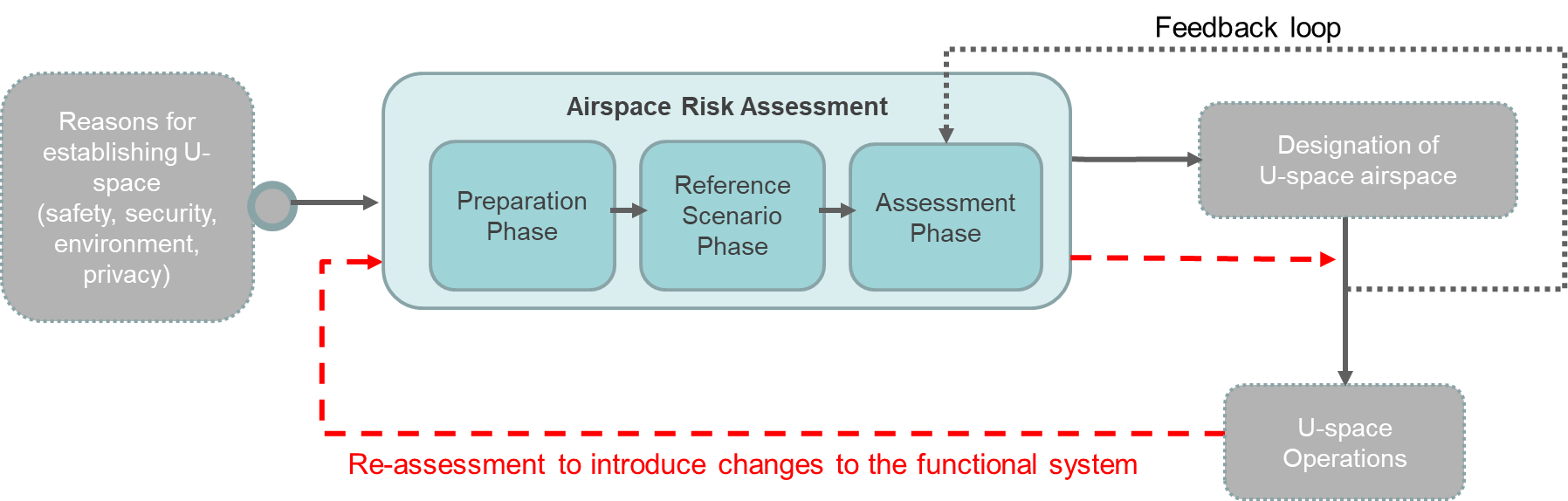
Figure 1: Airspace risk assessment process
(1)The preparation phase begins with defining the airspace in the scope of the assessment, including operational, procedural and infrastructure design requirements from all involved stakeholders, as well as defining any assumptions and constraints. An assessment team needs to be created to ensure that no area is left unexamined.
(2)The reference scenario phase concerns only the analysis of the use of the airspace assessed before changes are introduced. An important step in this phase is conducting interviews with stakeholders (including non-aviation entities), assessing ground infrastructure, identifying technical support infrastructure, and collecting the necessary data in a common data format. This would ensure a harmonised approach for all entities involved.
(3)The assessment phase includes hazard identification, risk analysis and mitigation planning. These processes should be applied separately to safety, security, privacy, and environmental hazards, and their associated risks. As the nature of hazards, risks, and mitigation measures are specific to each of these four areas, the methodologies employed by Member States to identify hazards, assess risks, and plan appropriate mitigation measures should fit the specific needs of the area assessed, and of each Member State. Nevertheless, the assessment should guarantee that the risk is acceptable or tolerable while identifying the requirements that are to be met in that perspective. Ultimately, the appropriate mitigation measures from each assessment should be compatible with each other and they should not adversely impact on the other areas.
GM4 Article 3(1) U-space airspace
ED Decision 2022/022/R
AIRSPACE RISK ASSESSMENT — SAFETY PART
(a)The assessment phase considers the following items when approaching safety:
(1)Important aspects to include in the assessment are related to traffic density, mapping information related to population density and obstacles, in-depth assessment of encounters with manned aviation, consequences of mid-air collision between unmanned aircraft, and meteorological information, among others.
(2)It is expected that the assessment phase includes a description of the safety activities to be conducted during its life cycle (e.g. in a safety plan). The aim is to specify the detailed safety assessment activities to be undertaken for a given airspace. This preparatory process identifies the main safety issues associated with the airspace under assessment as soon as possible.
(3)It is recommended that the following safety assessment activities, at a minimum, be performed at safety planning level:
(A)Description of the key properties of the operational environment that are relevant to the safety assessment.
(B)Initial identification of the hazards in the airspace under assessment.
(C)Derivation of suitable safety criteria for the airspace under assessment.
(D)Determination of the operational activities relevant to the airspace under assessment.
(4)The safety assessment methodology describes the following elements:
(A)Identification of hazards and definition of the safety criteria.
(B)To satisfy the safety criteria, definition of the airspace safety specification at operational level in normal, abnormal, and emergency conditions.
(C)Definition of the airspace safety requirements describing the high-level design characteristics of the functional system to ensure that the system operates as specified.
(5)Such requirements may be allocated to different stakeholders (e.g. USSPs, UAS operators, etc.)
(b)Safety hazards
(1)Currently, in Regulation (EU) 2017/373, the term ‘hazard’ means ‘any condition, event, or circumstance which could induce a harmful effect’. This definition is maintained in the context of the U-space airspace risk assessment.
(2)This definition relates to a broader understanding of what a hazard is. It addresses two types of hazards: (i) hazards inherent to aviation, which the functional system will have to mitigate; and (ii) ‘system-generated’ hazards, which are created by the potential failure of the functional system.
(3)In an airspace risk assessment associated to UAS operations, both types of hazards (i.e. existing and system-generated hazards) need to be considered, analysed and mitigated.
(4)By definition, hazards inherent to aviation are hazards which exist in the operational environment before any form of deconfliction has taken place. These hazards are the base for the definition of the safety criteria. Two examples of these hazards inherent to aviation, regarding air risk and ground risk respectively, could be:
(A)a situation where the intended trajectories of two or more aircraft are in conflict;
(B)a situation where the intended trajectory of an aircraft conflicts with the terrain or an obstacle.
(5)System-generated hazards are hazards generated by the possible failure/malfunction of the functional system. Possible examples of system-generated hazards may be:
(A)unmanned aircraft entering controlled airspace;
(B)failure in separating two aircraft.
For the identified system-generated hazards, there is a need to provide:
(A)the assessed immediate operational effect(s);
(B)the possible mitigation means in terms of measures to be implemented to protect against the risk-bearing hazards;
(C)the assessed severity of the mitigated effect(s), in accordance with a severity classification scheme defined for the U-space airspace;
(D)the airspace safety specification elements, to limit the tolerable frequency with which the system-generated hazard could be allowed to occur.
(c)It is recommended that safety assurance activities be documented to present sufficient evidence that the actions taken have been adequate and complete in identifying and mitigating the risks (e.g. safety assessment report).
GM5 Article 3(1) U-space airspace
ED Decision 2022/022/R
AIRSPACE RISK ASSESSMENT — CHECKLIST TEMPLATE
For the purpose of conducting an airspace risk assessment, Member States may wish to use a checklist for different types of environments for which hazards and impacts may be considered when performing an airspace risk assessment (the following list is not exhaustive):
Ground risks | |
•Critical aerodrome areas oILS critical and sensitive areas, radar, etc. | |
Populated areas | |
•Boundaries of population density areas ocities and suburbs | |
•Boundaries of dynamic population density areas oRecurring or one-off events and gatherings (concerts, stadiums, beaches, etc.) | |
•Schools, hospitals, and other public buildings | |
Physical infrastructure | |
•Governmental/military installations | |
•Prisons | |
•Bridges and dams | |
•Telecommunication and data centres | |
•High-tension power lines and substations | |
•Nuclear and conventional power stations | |
•Chemical industry sites | |
•Laboratories | |
•Main roads, railway lines | |
•Ports, harbours and waterways | |
•Water treatment plants | |
•Restricted, prohibited and danger areas | |
•Summits and VIP protection | |
Locations that could cause interference to a UAS flight | |
•Electromagnetic wave emitting sites omobile phone base stations oground telecommunication sites oTV and radio broadcast sites osurveillance equipment sites | |
•Solar panel and wind farms | |
•Water jets, geysers, etc. | |
•Areas prone to inclement weather | |
Air risks | |
Generic airspace restrictions | |
•ATS routes oaerodrome traffic zone (ATZ); | |
•Aerodrome areas ocontrol zones (CTR) oterminal control areas (TMA) | |
•Manned-aviation restricted areas otemporary reserved area (TRA) otemporary segregated airspace (TSA) ocross-border area (CBA) oradio mandatory zone (RMZ) otransponder mandatory zone (TMZ) | |
Restricted airspace and no-drone zones | |
Nature reserves and other noise-sensitive areas or environmentally sensitive areas | |
Aerodrome operating hours, dimensions, and location | |
Manned aircraft operations, locations, and most common routes | |
Unmanned aircraft operations, locations, and most common routes | |
Heliports and aerodromes | |
IFR operations | |
•Arrival and departure routes | |
•Transit routes | |
•Radar vectoring areas | |
•Altitudes | |
VFR operations | |
•VFR common routes and altitudes | |
•Operations below 150 m (500 ft) | |
•Low-altitude military operations | |
Generic operations | |
•High probability of manned or unmanned traffic (HEMS, etc.) | |
•Gliders, microlights | |
•Model aircraft and rocket model activities | |
•Balloons | |
•Seasonal or permanent recreational activities | |
•Base jump, wing suits, kitesurfing, parachuting, parasailing, hang-gliders, paragliders, etc. | |
State-specific operations | |
•Police | |
•Customs, border control | |
•Firefighting | |
•Military | |
•Search and rescue | |
•Maritime and fisheries surveillance | |
•Operators of essential services | |
Communication, navigation and surveillance (CNS) — the advance identification of specific locations may be helpful to address potential CNS issues on UAS operations | |
Communication | |
•COM — VFR requirements, frequencies, radio, transaction expiration time (TET) | |
•COMSEC — UAS COM interference, USSP–UAS link, USSPRP, RP–USSP, e-conspicuity system | |
•UAS COM and uncontrolled manned aircraft traffic (econspicuity) frequency availability, including coverage of 3/4/5G network | |
Navigation | |
•Navigation requirements and/or limitations (for U-space) | |
•GNSS performance including outage reports and augmentation (GBAS, SBAS, etc.) availability | |
Surveillance | |
•Critical surveillance areas (coverage, etc.) | |
•Available means of surveillance (ADS-B Out, SRD 860, mobile telephony (e.g. GNSS-LTE), etc.) | |
Non-exhaustive list of possible stakeholders involved in the airspace risk assessment process (in no restrictive order):
National/State entities | Organisation | Contact Person |
Competent authorities | ||
ATM/ANS service providers (ANSPs) | ||
Air traffic controllers (ATCOs) | ||
Police and State security | ||
State defence/military | ||
Customs | ||
Aviation entities | ||
En-route flight information service (ATS providers) | ||
Aerodrome operators | ||
Airlines | ||
Pilots (GA, IFR, emergency services) | ||
Flight schools | ||
UAS operators/pilots | ||
U-space service providers (USSPs) | ||
UAS manufacturers | ||
Model aircraft clubs, airsports associations and aviation-related associations | ||
General aviation representatives (VFR) | ||
Non-aviation entities | ||
Critical infrastructure (nuclear stations, etc.) | ||
Industry | ||
Local government | ||
Hospitals | ||
Education/schools | ||
Road and rail transport | ||
Ports and the maritime sector | ||
Telecommunications and others that emit electromagnetic waves | ||
Forestry and environmental protection (including non-governmental organisations (NGOs)) | ||
Others |
GM6 Article 3(1) U-space airspace
ED Decision 2022/022/R
AIRSPACE RISK ASSESSMENT — ACCEPTABLE LEVEL OF SAFETY (ALS)
(a)One of the main objectives of the implementation of the U-space is to increase the level of safety of the introduction of UAS operations to an acceptable level. In aviation, the acceptable level of safety is generally defined in terms of the probability of an aircraft accident occurring and the consequences being acceptable to the society, i.e. the society is ready to accept or be subjected to the risk that the event might involve. The role of Member States in this regard is to translate the societal perception into qualitative or quantitative criteria addressing the probability and consequences of occurrences.
(b)The acceptable level of safety is defined by Member States, which should consider the inputs from UAS operators and USSPs regarding their needs and capacities. In order to set acceptable levels of safety for the U-space airspace, it is proposed to set safety criteria as per Regulation (EU) 2017/373 considering the singularities and specificities of the different types of risks posed by unmanned traffic in the U-space.
(c)The defined set of safety criteria should cover all possible identified risks. Each criterion should be verifiable and expressed in terms of an explicit level of safety risk or another measure that relates to a specific safety risk. In the absence of sufficient data related to U-space operations to take as a reference to determine the safety criteria, safety indicators from manned aviation operations may be used.
(d)It is worth remarking that when setting safety criteria for the U-space airspace, the goal is to maintain at least the safety levels attained over years of experience in manned aviation. However, considering the specificities of UAS operations in the U-space, this might mean a higher rate of mid-air collisions than for manned aviation. Nevertheless, considering the mitigation means that ensure separation between manned and unmanned aircraft, the mid-air collision between two unmanned aircraft will not result in casualties in the air. The ground risk is likely to be higher in populated areas, particularly when comparing high density of unmanned operations with traditional manned aviation. The definition of safety criteria should take these factors into account, as well as the presence of critical infrastructures in the vicinity which could be negatively impacted by UAS operations.
(e)With reference to units of measurement, the most common unit of measurement applied to manage aviation risks is generally the reference to ‘aircraft per flight hours’. Nevertheless, there are other units that could be used in the framework of an airspace risk assessment. In general, it is considered that the most appropriate unit of measurement to assess U-space safety risks refers to ‘per flight hour’ for en-route phases of flight, while for the take-off, approach and landing phases of flight, reference to ‘per movement’ over a period of time (e.g. ‘per year’) is the most convenient.
(f)The airspace safety specification at operational level will define what must happen at operational level in the airspace for the specified acceptable level of safety to be met. Different factors can be adjusted, like for instance the type of traffic, aircraft and system performance, equipment, procedures, aircraft speed, type of operation, maximum capacity, the number of people overflown (population density), among others, to comply with the airspace safety specification at operational level. Once the U-space is operational, comparative approaches to determine the appropriate level of safety to be attained by the changes in the functional system (reassessments) may be useful. In these cases, the rationale of ‘maintaining or improving’ the current safety level of operations in the U-space may be used to define the new safety criteria associated to the changes made to the functional system. Such an approach is convenient for the consolidation of the U-space where incremental improvements are applied, while planning safety in the long term in terms of procedures and system design can produce additional quantitative figures.
(g)Finally, the acceptable level of safety should be materialised through the definition of the Uspace airspace safety requirements, such as the set of U-space services, performance requirements, as well as the operational conditions and constraints, describing the high-level design characteristics of the functional system to ensure that the system operates as specified, thus satisfying the airspace safety specification at operational level.
GM7 Article 3(1) U-space airspace
ED Decision 2022/022/R
AIRSPACE RISK ASSESSMENT — QUANTITATIVE SAFETY FIGURES
At this early stage of the implementation of the U-space regulatory framework, the limited experience with assessing the safety of UAS operations and the uncertainty on the related level of risk acceptable to the society do not permit to define sensible and harmonised quantitative safety figures. This may require to use simplified assumptions and approximations to establish quantitative values.
In the future, when more operational experience will have been gained, numerical examples to propose an acceptable level of safety could be provided with the appropriate accuracy.
GM8 Article 3(1) U-space airspace
ED Decision 2022/022/R
OTHER RISKS
During the assessment phase, the following guidance regarding the associated security, privacy, and environmental risks may support the Member States.
Security
(a)The implementation of the European regulatory framework for the protection of critical infrastructure as well as cybersecurity may lead to risk assessments that are relevant to the airspace considered. These risk assessments may be considered as components of the airspace risk assessment if they are reviewed to take into consideration the possible designation of a Uspace airspace.
(b)It is recommended that a security risk assessment be conducted to assess the security risks of an organisation which emerge from intentional, unauthorised electronic interaction. The necessary process steps and methodologies to conduct the security risk assessment will vary depending on the particular security risk assessment process that has been adopted.
(c)The methodology used to assess cybersecurity risks is very similar to the one used for physical security risks and, therefore, recommended to use it during the assessment phase. The process for the risk assessment and for the sharing of information security risks is illustrated in Figure 2 on the next page. This comprises several activities that need to be performed for each risk assessment.
(d)There are fixed inputs (marked with the letters A, B, C, D) that should be common to all risk assessments conducted by an organisation. These would be established as part of the overall corporate risk management process. The activities described may be conducted in a different order depending on the particular methodology used, and the activities and fixed inputs may have different names as well. Risk sharing can happen at any life cycle stage and should be dependent on agreed thresholds for reporting.
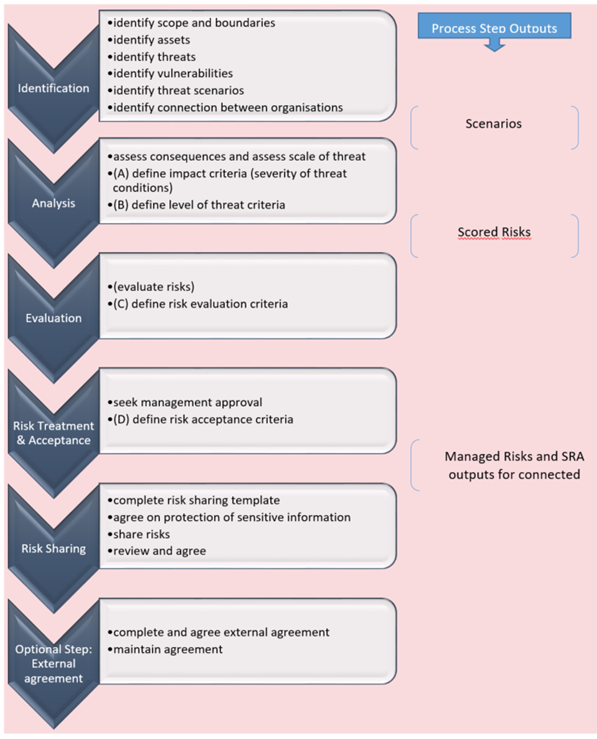
Figure 2: Risk assessment and sharing of information according to EUROCAE ED-201A
(e)To ensure comparability and compatibility between the different security assessment methodologies and definitions of risk, it is recommended that the parties involved should have a common method for categorising risks and different classes of risks. The use of different methods may produce incomparable outputs that are unusable between the parties involved.
(f)The following principles may be used for risk sharing outputs where there is a safety impact identified between connected organisations and ecosystems using the same risk assessment method:
(1)Assurance that the outputs of the assessments produce results which are comparable internally and externally.
(2)Agreement upon common definitions for the connected interfaces (e.g. risk classes, vulnerabilities).
(3)Sharing information on assessed risks that have a potential safety impact on their partners, which relate to connecting networks, to sharing information, and to using thirdparty products.
(4)The use of different risk assessment matrices should be used according to the type of impact that is being assessed and shared (e.g. safety, capacity).
(5)An organisation may only compare and use the severity of same-type impacts, i.e. a safety impact with a safety impact; a safety impact cannot be compared with an organisational impact.
(6)Security protection
(i)The general type of protection (e.g. type of encryption standard).
(ii)The attribute being protected is important as it may be the case that one organisation protects availability, but the receiving organisation is concerned with protecting integrity.
(iii)The assurance of security protection which represents the quality it has been designed to operate. If the assurance level of the protection measures of the connected organisation is not broadly equivalent, then each connected system will either have to agree to share and manage the risk to an acceptable level for both organisations or individually manage the risk to an acceptable level.
Privacy
(g)A risk assessment on privacy is aimed at assessing the privacy risks to third parties emerging from intentional or accidental visualisation, capture and/or retention of personal images or information through (close) overflight or hovering. The necessary process steps and methodologies to conduct the privacy risk assessment will vary depending on the particular privacy risk assessment process that has been adopted.
(h)The main legal reference regarding privacy risk assessment is Regulation (EU) 2016/67919 (the General Data Protection Regulation (GDPR)). However, the GDPR only applies to ‘personal data’ as defined in its Article 4(1), not to commercial information, which will generally be covered by national laws. A privacy risk assessment is conducted to additionally ensure the security of thirdparty commercial data.
(i)Article 35 of the GDPR provides for the conduct of a data protection impact assessment (DPIA), where the processing of any personal data obtained is likely to result in a high risk to the rights and freedoms of the subjects of that data. This DPIA must describe the characteristics of the data treatment, the risks identified, and the mitigation measures adopted. A DPIA may be used to support the airspace risk assessment.
Environmental
(j)An environmental risk assessment should assess the risks to people, wildlife and the natural environment which emerge from flights near built-up areas, especially schools and hospitals, protected landscape, natural reserves, along known wildlife migratory routes, or over lakes, rivers, and other bodies of water. The necessary process steps and methodologies to conduct an environmental risk assessment will vary depending on the particular environmental risk assessment process that has been adopted.
(k)Environmental risk assessments for UAS operations should ensure compliance with plans and programmes for which such environmental assessments have been carried out.
Noise
(l)Regulations (EU) 2019/945 and 2019/947 lay down provisions as regards noise limitation of small UAS. They require manufacturers to minimise noise, and operators to follow the guidelines for reducing noise during operations. The assessment and management of environmental noise of small UAS should take these provisions into account. Directive 2002/49/EC20 relating to the assessment and management of environmental noise remains applicable, and the action plans required in paragraphs 5 to 7 of its Article 8 should be updated to include noise from UAS used in the ‘specific’ and ‘certified’ category. In effect, environmental airspace risk assessments ensure that UAS operations comply with these action plans regarding environmental noise.
(m)Many regulations on aircraft noise include airports, for example Regulation (EU) No 598/2014 on the establishment of rules and procedures with regard to the introduction of noise-related operating restrictions at Union airports within a Balanced Approach21.
Air quality
(n)Directive 2008/50/EC22, implementing a common approach to ambient air quality and cleaner air for Europe, applies to the management of local air quality at and around airports. Assessments should determine whether drones whose lift and propulsion do not come solely from electric sources comply with this Directive.
Protection of wildlife and the natural environment
(o)Concerns regarding aviation and wildlife generally focus on strikes against aircraft, mostly by birds. This is also a problem for unmanned aircraft. Such strikes could cause the unmanned aircraft to become uncontrollable, presenting a danger to people and property on the ground. Assessments should ensure that UAS operations avoid known wildlife migratory routes.
Assessments should ensure that local laws on the protection of wild birds, notably through Directive 2009/147/EC23 on the conservation of wild birds, are respected. They should also ensure that Directive 92/43/EEC24 on the conservation of natural habitats and of wild fauna and flora, and in particular of Natura 2000 sites and other areas of special scientific interest and of outstanding natural beauty, is observed.
GM9 Article 3(1) U-space airspace
ED Decision 2022/022/R
AIRSPACE RISK ASSESSMENT — COORDINATION WITH THE U-SPACE STAKEHOLDERS
In conjunction with Article 18(f) of Regulation (EU) 2021/664, for Member States to ensure a viable and effective designation of the U-space airspace, it is recommended as best practice to:
(a)exchange on best practices with other Members States and/or the Agency to ensure consistency and interoperability across the European Union — for instance, in seeking harmonisation on safety criteria and performance requirements;
(b)coordinate with the providers of common information, the single CIS provider (when relevant) and USSPs to evaluate:
(1)the availability of the required capabilities and performance requirements;
(2)the operational capacity according to the volume of operations expected in the U-space airspace;
(3)the operational capacity to interface with ATS providers;
(4)the procedures supporting the dynamic airspace reconfiguration in controlled airspace;
(5)the availability of a common secure interoperable open communication protocol to enable digital information exchange between the U-space airspace actors;
(c)coordinate with the relevant ATS providers to evaluate the particularities or constraints of the controlled airspace to be considered during the designation of the U-space airspace;
(d)coordinate with UAS manufacturers to evaluate that UAS satisfy the required capabilities and performance requirements;
(e)coordinate with UAS operators to gain understanding of the intended operations and evaluate the service performance required, the practicability of the operational constraints, as well as the planned contingency and emergency procedures.
GM10 Article 3(1) U-space airspace
ED Decision 2022/022/R
AIRSPACE RISK ASSESSMENT — COORDINATION AT LOCAL LEVEL
The public consultation (hearing process), as addressed in the AMC and GM to Article 18(f) of Regulation (EU) 2021/664, is intended to further elaborate the U-space airspace risk assessment with regard to the following:
(a)evaluating the soundness of the risk assessment (technical aspects) and potentially enriching it with complementary risks that may be indicated during the public consultation;
(b)integrating the considerations from to the public impacted by the establishment of the U-space airspace, and refining its design accordingly (e.g. to cater for local well-being needs as per GM1 and GM3 to Article 18(f));
(c)ultimately evaluating, and supporting as necessary, the social acceptance of the U-space airspace deployment.
AMC1 Article 3(4) U-space airspace requirements
ED Decision 2022/022/R
U-SPACE AIRSPACE — DESIGN, OPERATIONAL CONDITIONS AND CONSTRAINTS
Considering Annex I to Regulation (EU) 2021/664, Member States should establish and provide the Uspace airspace definition, encompassing:
(a)the geographical limits of the area where the U-space airspace is designated;
(b)the internal airspace structure (e.g. airspace blocks with their maximum and minimum size, subject to activation/deactivation);
(c)the UAS geographical zones defined in Article 15 of Regulation (EU) 2019/947, which could be encompassed within the U-space airspace.
Furthermore, Member States should define the U-space airspace operational conditions and constraints:
(a)for U-space airspace designated in controlled airspace, the means and procedures to disseminate information regarding dynamic airspace reconfiguration;
(b)the potential pre-established contingency or emergency procedures;
(c)the weather limitations, in terms of maxima or minima for important meteorological parameters (e.g. maximum gust, and visibility minimum, temperature minimum);
(d)the maximum simultaneous UAS operations, and the maximum density of UAS flights allowed within the designated U-space airspace;
(e)the minimum safety distance (spacing) to be maintained between manned and unmanned aircraft in airspace where manned aircraft operations are not subject to air traffic control;
(f)the residual airspace risk class (ARC) to support the specific operations risk assessment (SORA) as defined in Regulation (EU) 2019/947;
(g)any other operational conditions and constraints derived from the airspace risk assessment (e.g. mitigation of specific hazards identified during the assessment).
AMC2 Article 3(4) U-space airspace requirements
ED Decision 2022/022/R
U-SPACE AIRSPACE — PERFORMANCE REQUIREMENTS
Considering Annex I to Regulation (EU) 2021/664, and derived from the airspace risk assessment, Member States should establish the following:
(a)The U-space services’ performance requirements and operational constraints:
(1)the ‘geographic proximity’ to UAS operators at which the UAS remote identification has to be acquired and provided to support the network information service;
(2)the maximum data ‘latency’ and ‘frequency’ at which the traffic information needs to be provided to UAS operators to ensure the proper functioning of the traffic information service;
(3)the ‘proximity’ to the UAS position, and the associated definition of the surveillance volume at/within which the traffic information should be provided to UAS operators;
(4)the ‘deviation thresholds’, meant to be the maximum acceptable deviation from the intended UAS flight path, to be considered by the USSP when processing a flight authorisation or to generate a non-conformance alert to the UAS operator;
(5)flight authorisation constraints that may be defined to ensure fair and efficient access to the U-space airspace;
(6)the data quality requirements for weather data, when relevant;
(7)the minimum coverage (e.g. horizontal and vertical range within and, when required, also outside the U-space airspace) for the receipt of information from electronically conspicuous manned aircraft that are not subject to air traffic control, considering the means of compliance as defined in AMC1 to point SERA.6005(c) of Regulation (EU) No 923/2012, and complementary information about manned aircraft traffic potentially shared by the relevant air traffic service units.
(b)The required UAS capabilities and performance requirements.
For the determination of the performance requirements, the contribution of the U-space actors (layers) should be taken into account including, when relevant, the single CIS provider, the USSP, and UAS operators (e.g. reaction time).
GM1 Article 3(4) U-space airspace requirements
ED Decision 2022/022/R
U-SPACE AIRSPACE — RESULTS OF THE AIRSPACE RISK ASSESSMENT
The acceptable level of safety is supported by a comprehensive set of performance requirements, operational constraints and limitations that are to be subsequently considered and/or satisfied by the U-space actors (e.g. USSPs, UAS operators, UAS manufacturers). These performance requirements and operational constraints and limitations are intended to be established throughout the risk assessment, be performance based, and commensurate with the level of risk that needs to be mitigated in the Uspace airspace.
GM2 Article 3(4) U-space airspace requirements
ED Decision 2022/022/R
U-SPACE AIRSPACE — STRUCTURE
The design of the U-space airspace could be organised into a set of airspace components that can be a basic set of airspace blocks which can be combined/deactivated in changing combinations/configurations to meet the actual manned aviation requirements. It can also be a more sophisticated mathematical grid, the geometry of which can vary depending on the complexity and density of the operations (e.g. triangles to allow for straight ‘areas’ boundaries). An efficient strategic approach to the design of the U-space airspace is therefore important, also taking into account the need to manage the complexity of the dynamic airspace reconfiguration procedure, which might be progressively increased at the later stage of the U-space implementation.
GM3 Article 3(4) U-space airspace
ED Decision 2022/022/R
U-SPACE AIRSPACE — INTERNAL GEOGRAPHICAL ZONES
The U-space airspace may encompass sub-geographical zones as defined in Article 15 of Regulation (EU) 2019/947 and in the related AMC and GM:
(a)zones limited in place and time (e.g. operations allowed only at certain periods and in certain areas);
(b)zones restricted to UAS operations that fulfil a specific set of conditions and specific authorisations;
(c)zones of exclusion where UAS operations are prohibited (e.g. no-fly zones).
GM4 Article 3(4) U-space airspace
ED Decision 2022/022/R
U-SPACE AIRSPACE — AIR RISK CLASS (ARC) — APPLICATION OF THE SPECIFIC OPERATIONS RISK ASSESSMENT (SORA) FOR UAS OPERATIONS IN THE ‘SPECIFIC’ CATEGORY
While it is considered that the initial ARC of UAS operations in the ‘specific’ category is established taking into account the airspace classification and type of complexity of the airspace (e.g. height, danger area, etc.) for the purpose of a harmonised U-space airspace implementation, it is recommended to apply the residual ARC as follows (after having applied all the strategical and pretactical and tactical means that support the implementation of the U-space airspace, and having ensured the proper utilisation of the required U-space services):
It is recommended to apply residual ‘ARC-b’ for U-space in both controlled and uncontrolled airspace (or in airspace where both controlled and uncontrolled manned aircraft may operate simultaneously), relying on the provision of tactical information through the ‘traffic information service’ and the Uspace segregation principle (e.g. dynamic airspace reconfiguration) to maintain safe separation from manned aircraft, while still accounting for a certain level of air risk for manned aircraft.
The demonstration by UAS operators of the relevant tactical mitigations performance requirements (TMPR) to their competent authority that has provided the operational authorisation is still required. In the context of U-space, additional requirements complementing the defined SORA/TMPR in Regulation (EU) 2019/947 may be established by the Member State through the definition of the Uspace performance requirements.
GM5 Article 3(4) U-space airspace
ED Decision 2022/022/R
U-SPACE AIRSPACE — PERFORMANCE REQUIREMENTS FOR U-SPACE SERVICES
The performance requirements are related to the provision of services and to Regulation (EU) 2021/664 as follows:
(a)The maximum data ‘latency’ is related to the ‘traffic information service’ (Articles 5(2) and 8(1) of Regulation (EU) 2021/664);
(b)The ‘proximity’ to the UAS position is related to the ‘network information service’ (Article 8(1) of Regulation (EU) 2021/664);
(c)‘Deviation thresholds’ are related to the ‘flight authorisation service’ (Article 10(2)(c) of Regulation (EU) 2021/664), and the ‘conformance service’ (Article 13(1) of Regulation (EU) 2021/664);
(d)The ‘proximity’ to the UAS position and the definition of the surveillance volume are related to the ‘traffic information service’ (Article 11(1) of Regulation (EU) 2021/664);
(e)The ‘frequency’ at which the information needs to be provided to the UAS operator is related to the ‘traffic information service’ (Article 11(1) of Regulation (EU) 2021/664);
(f)The data quality requirements for weather data are related to the ‘weather information service’ (Article 12 of Regulation (EU) 2021/664).
GM6 Article 3(4) U-space airspace
ED Decision 2022/022/R
U-SPACE AIRSPACE — SAFETY AND SECURITY OBJECTIVES
To ensure that the acceptable level of safety is achieved, safety objectives may be specified in terms of required levels of integrity and reliability, and be allocated to the U-space actors. Similarly, security objectives aligned with the safety objectives, type of operation and level of threats may be also defined to ensure assurance in the security measures.
While the objectives are meant to be commensurate with those existing today for manned aviation, the practicality of the implementation may limit the approach (e.g. difficulty in applying a relevant software assurance level (SWAL) approach).
GM7 Article 3(4) U-space airspace
ED Decision 2022/022/R
U-SPACE AIRSPACE — FLIGHT AUTHORISATION CONSTRAINTS
Linked to specific airspace, and to ensure efficiency as well as fairness as regards access to the U-space airspace, Member States may constrain:
(a)the minimum and maximum time (size of time window) before scheduled take-off time at which flight activation is requested;
(b)the maximum time a flight authorisation request may be sent in advance to ensure the effective implementation of the ‘first in, first serve’ principle and prevent undue occupation of the Uspace airspace.
GM8 Article 3(4) U-space airspace
ED Decision 2022/022/R
U-SPACE AIRSPACE — FLIGHT AUTHORISATION DEVIATION THRESHOLDS
It is expected that the acceptable level of safety may be achieved by having UAS flight authorisation for 4D trajectories that do not intersect and contain their flights for 95 % of the time.
The UAS flight authorisation describes the flight trajectory as a series of one or more 4D volumes expressed in height (base, ceiling), longitudinal and lateral limits, and duration (entry and exit times). Each dimension includes the uncertainty of the flight, considering the UAS operational performance, and the assumptions on the operator proficiency and weather conditions.
It is recommended as best practice that these uncertainties be capped in the given probability of 95 %. The resulting deviation threshold defines an additional 4D volume around each planned 4D volume for a flight. The dimensions may be specified to balance the needs of safety with the efficient use of the airspace, and refine them over time for the U-space airspace under consideration based on the observed usage of the U-space airspace, the performance (and conformance) of the UAS flights in the airspace, and other factors.
GM9 Article 3(4) U-space airspace
ED Decision 2022/022/R
U-SPACE AIRSPACE — TRAFFIC INFORMATION AND SURVEILLANCE VOLUME
Proximity is understood as the distance between two aircraft. In the context of traffic information service, its value should be determined in such a way to allow UAS operators enough time to take appropriate action to avoid collision hazards. Proximity values may vary depending on the geography of the U-space airspace and the type of expected operations (e.g. BVLOS/VLOS), and also on the type and performance of manned aircraft that operate in or cross through the U-space airspace.
The constraints in terms of situational awareness, and thus the proximity values, may differ for manned and unmanned aircraft. Manned aircraft are usually much faster than unmanned aircraft. Due to their higher velocity, and due to the fact that manned aircraft induce wake turbulence, UAS operators may need to ensure situational awareness at a much wider scale to effectively assess incoming traffic and take appropriate action to maintain sufficient spacing.
For instance, to enable a 10-minute reaction time for the UAS operator, and considering a manned traffic velocity of 120 kt (≈240 km), a wider volume of 20 NM (≈37 km) and 5 000 ft (≈1 500 m) may be taken as reference to adequately monitor manned traffic patterns.
These factors are to be considered by Member States to ultimately specify the appropriate ‘surveillance volume’. In addition, considering such constraints, and to safely enable operations close to the geographical borders of the U-space airspace, the ‘surveillance volume’ should include the adjacent airspace beyond the strict geographical limit of the U-space airspace.
GM10 Article 3(4) U-space airspace
ED Decision 2022/022/R
U-SPACE AIRSPACE — RECEIPT OF TRAFFIC INFORMATION FROM UNCONTROLLED MANNED AIRCRAFT
Traffic information may be complemented by information about manned aircraft traffic shared by the relevant air traffic service units. This may include information from primary and secondary surveillance radars, multilateration surveillance systems and other surveillance or tracking systems already used by air traffic service units.
The complementary traffic information about manned aircraft traffic should be considered as one of the inputs to the airspace risk assessment referred to in Article 3(1) of Regulation (EU) 2021/664.
The complementary traffic information may, in exceptional cases and subject to deriving positive results from the airspace risk assessment referred to in Article 3(1) of Regulation (EU) 2021/664, alleviate the need for the deployment of new ground infrastructure necessary for the continuous receipt of information from manned aircraft that make themselves electronically conspicuous in accordance with AMC1 to point SERA.6005(c) of Regulation (EU) No 923/2012. This is to be considered especially in situations where the deployment of new ground infrastructure could constitute a disproportionate burden on USSPs when compared to the existing requirement for manned aircraft that operate in airspace which is being considered for designation as U-space airspace by the Member States.
GM11 Article 3(4) U-space airspace
ED Decision 2022/022/R
U-SPACE AIRSPACE — TIMELINESS AND LATENCY
The maximum latency values may vary depending on the geography of the U-space airspace and the type of the expected operations.
In general, information will be handled by multiple parties, and a maximum latency would have to be subdivided into fractions, and latency budgets would have to be allocated to individual parties, while at the same time the number of re-transfers would have to be limited in order to protect the maximum overall latency.
GM12 Article 3(4) U-space airspace
ED Decision 2022/022/R
UAS CAPABILITIES AND PERFORMANCE REQUIREMENTS
Depending on the U-space airspace design and constraints, not all UAS types are capable of being safely operated within the U-space airspace. The UAS capabilities and performance requirements may be expressed in terms of expected:
(a)climb/descent rates or vertical speed, horizontal speed, autonomy/range/endurance,
(b)noise levels,
(c)connectivity,
(d)required navigation equipment,
(e)flight data accuracy, integrity and latencies (refresh rate),
(f)availability and integrity of the command-and-control link,
(g)resilience to environmental conditions (e.g. as applicable: wind, icing, electrical interference),
(h)resilience to cyberthreats and related security measures.
Article 4 — Dynamic airspace reconfiguration
Implementing Regulation (EU) 2021/664
Where a Member State designates a U-space airspace within controlled airspace, it shall ensure that the dynamic reconfiguration of the airspace within that U-space airspace as laid down in ATS.TR.237 of Implementing Regulation (EU) 2021/665 amending Regulation (EU) 2017/373 is applied in order to make sure that manned aircraft which are provided with an air traffic control service and UAS remain segregated.