



 61 / 168

PAGE
59
Figure 16 provides details of the types of engine powering aircraft that were involved in accidents over the last
10 years. The vast majority involved Turbofan powered aircraft, which matches the relative size of this type of air‑
craft in the European business aviation fleet.
Occurrence Categories
In order to assist in the identification of particular safety issues, one or multiple occurrence categories were as‑
signed to business aviation accidents involving EASA MS operators. This was done using the CICTT occurrence
categories, which are listed in Appendix 1.
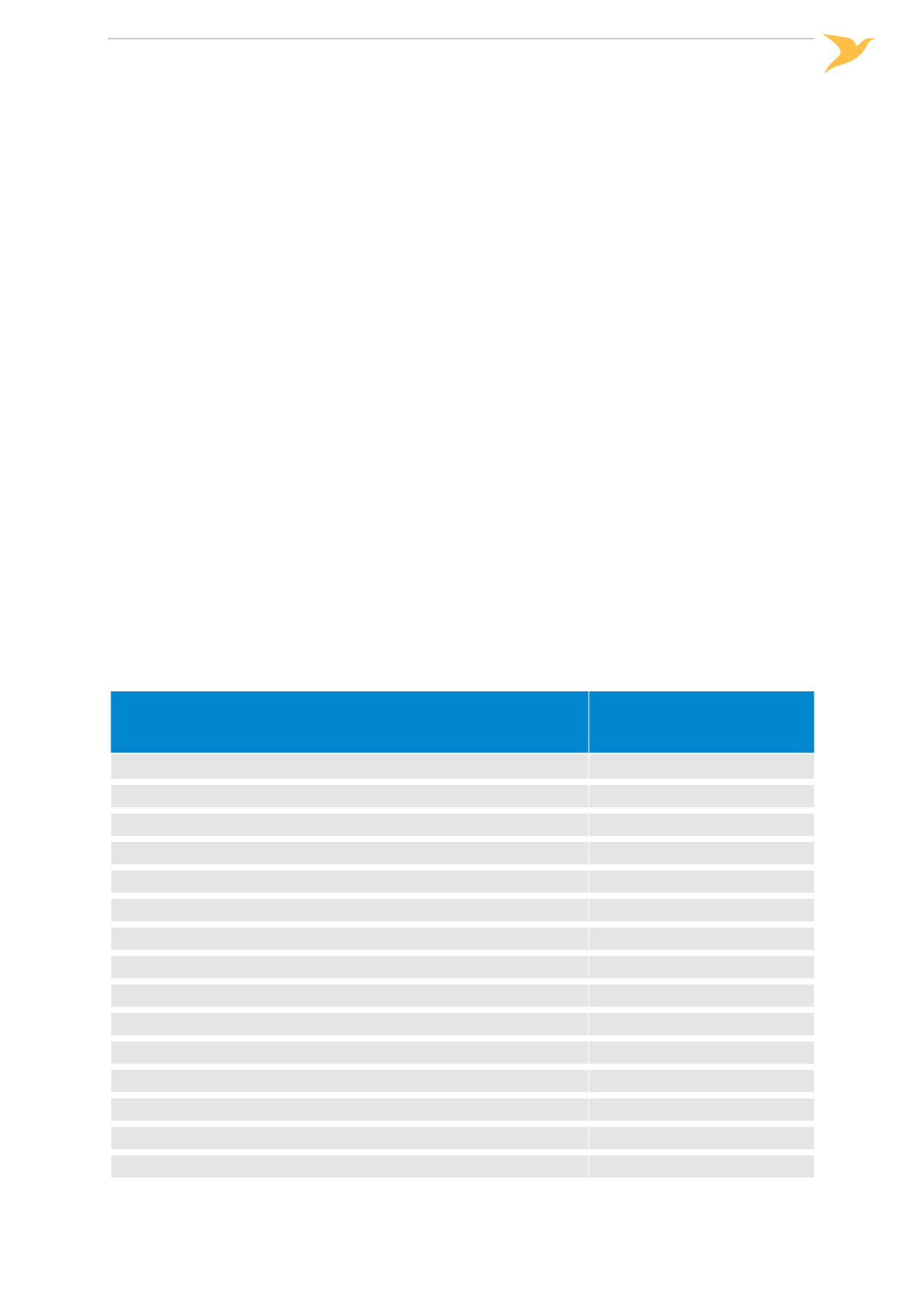
Table 10 shows the number of accidents and serious incidents per Occurrence Category. Where no occurrences
were recorded against a particular occurrence category that category was excluded from the list. The main oc‑
currence category for business aviation is MAC/Airprox (MAC), which includes loss of separation and near mid‑air
collisions. Closely linked to this is the high prevalence of ATM occurrences. System component failure non‑pow‑
erplant (SCF‑NP) was the 3
rd
most common occurrence category, whilst abnormal runway contact (ARC) and loss
of control in‑flight (LOC‑I) also featured in the analysis.
´
´
Table 10:
Business aviation – number of accidents and serious incidents 2005-2014
per occurrence category
Occurrence Category
Number of Accidents and Serious
Incidents 2005-2014 per Occurrence
Category
MAC: airprox./ACAS alert/loss of separation/(near) mid‑air collisions
19
ATM: ATM/CNS
12
SCF‑NP: system/component failure or malfunction [non‑power plant]
8
RE: runway excursion
6
ARC: abnormal runway contact
4
LOC‑I: loss of control - inflight
3
SCF‑PP: power plant failure or malfunction
2
RI‑VAP: runway incursion - vehicle, aircraft or person
2
RAMP: ground handling
2
OTHR: other
2
ICE: icing
2
F‑NI: fire/smoke (non‑impact)
2
UNK: unknown or undetermined
1
F‑POST: fire/smoke (post‑impact)
1
CFIT: controlled flight into or toward terrain
1