
Have you ever heard the term rotorcraft? If you have, you probably think of a helicopter. That is partly correct: all helicopters are rotorcraft, but not all rotorcraft are helicopters.
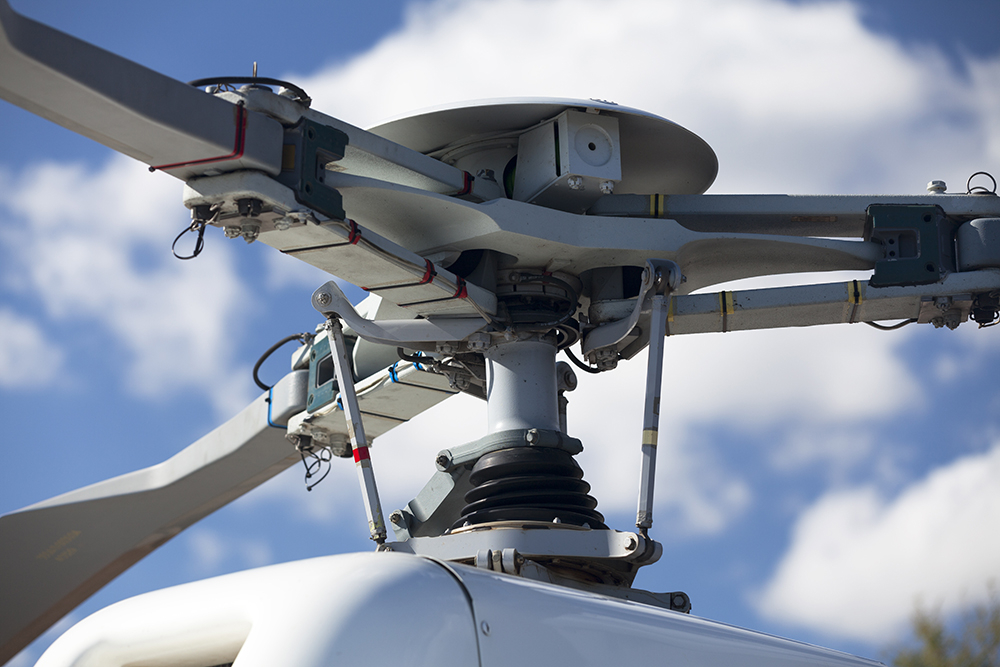
The term rotorcraft covers a wider family of aircraft that use rotating blades, known as rotors, to generate lift so they can fly. Helicopters are the best-known examples, but rotorcraft also includes newer types of vertical take-off and landing aircraft that are being developed. This is why EASA uses both the broader term rotorcraft, and sometimes the specific term, helicopter.
What makes rotorcraft special?
Rotorcraft are extremely versatile. Unlike aeroplanes, which require forward movement to generate lift, rotorcraft take off and land vertically, move in almost any direction, and even remain stationary in the air, a manoeuvre known as hovering. They can fly forwards, backwards, and sideways.
These unique capabilities allow rotorcraft to operate in places where conventional aircraft cannot, such as urban areas, mountain areas, offshore platforms, forests and disaster zones. They can often reach people and locations quickly when other forms of transport are unavailable or too slow.
Helicopter operations support society needs
While other forms of rotorcraft are in development (you can already read about them elsewhere on EASA Light) helicopters are already a familiar and highly visible part of aviation.
Helicopters carry out a wide variety of missions every day. These include emergency medical services, disaster response, passenger transport to hard-to-reach places (such as offshore energy installations), security and law enforcement operations, sightseeing flights, news reporting, aerial filming for films and television, and support for industries (like construction, for example).
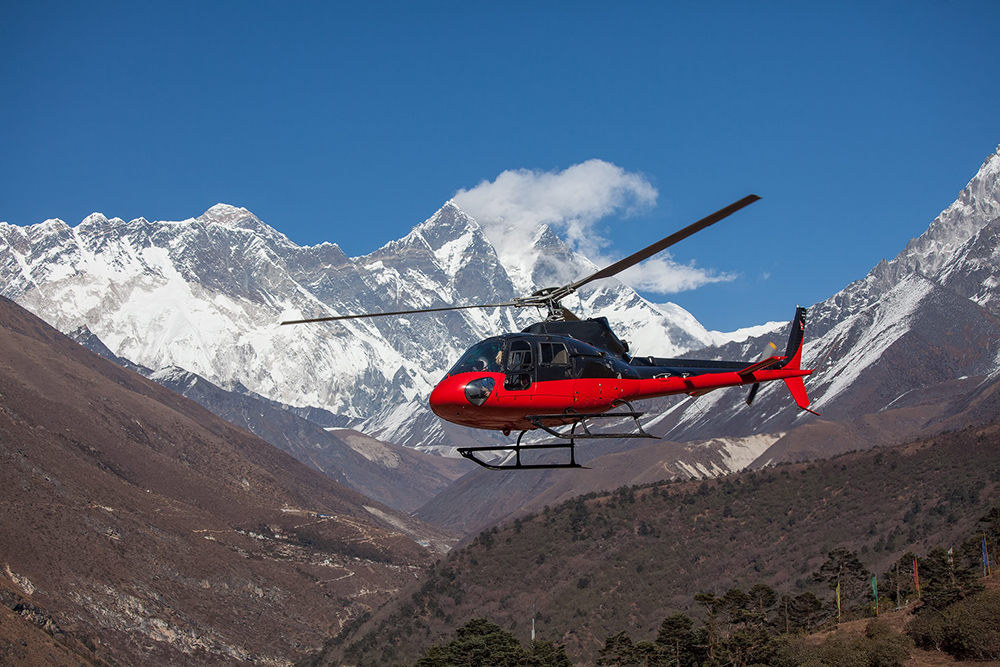
Helicopters are saving lives every day. Medical helicopters can transport critically ill or injured patients to an hospital faster than road transport. Search and rescue crews help people in distress, often in challenging environments. Firefighting helicopter pilots work in demanding, and sometimes extreme conditions, to protect communities and natural habitats during wildfires.
Helicopters also contribute to economic activity by supporting infrastructure projects, maintaining energy networks and providing access to offshore installations.
In many situations, their ability to hover and operate in confined areas makes them an indispensable public service tool.
The challenges faced by helicopter pilots
Helicopter operations are often conducted in demanding environments with many obstacles. Pilots may need to fly close to terrain, buildings, power lines or other obstacles. They frequently operate in changing weather conditions and may be required to land in unfamiliar locations.
Many missions take place under significant time pressure, particularly emergency medical and search and rescue operations. Pilots must therefore combine technical skill, sound judgement and careful preparation and planning to ensure that every flight is conducted safely.
EASA's role in helicopter safety
EASA works to keep helicopter operations safe throughout the whole aviation lifecycle. Our role includes creating common safety rules, certifying new rotorcraft and related products before they enter service, and monitoring aircraft in operation to ensure they remain safe to fly over time. EASA also sets standards for pilot training and licensing, to help ensure crews remain properly trained and competent.
Beyond aircraft and crew, EASA works with National Aviation Authorities to promote consistent safety oversight across Europe, analyses safety data to identify emerging risks and priorities, and publishes key safety reports and plans. The Agency also cooperates internationally to support global safety standards and the safe introduction of new technologies, while promoting safety through guidance, educational materials and awareness campaigns for pilots, operators and maintenance personnel.
Environmental protection
Alongside safety, EASA has responsibilities in the area of environmental protection, and rotorcraft is no exception.
Noise is particularly a nuisance when it comes to helicopters. In 2024, EASA concluded a research project ,that developed a tool to quantify helicopter noise. By improving understanding of the current situation, this work can support decisions on measures to reduce noise.
Bringing the rotorcraft community together
EASA also co-organises EUROPEAN ROTORS (together with the European Helicopter Association and Vertical Aviation International), Europe's leading rotorcraft and vertical take-off and landing trade show and safety conference. The event brings together pilots, operators, manufacturers, regulators and other aviation professionals to exchange knowledge, discuss future challenges and promote safety across the rotorcraft community. It happens every year and the public can also access this event.
If you are interested in joining, check the event section on the EASA pro website for details on the next European Rotors event.
Want to learn more?
You can get to know more about helicopters and rotorcraft in general on the EASA Pro Website. There is also a dedicated public web community on this topic.