



 152 / 168

Annual Safety Review 2014
Implementation of Regulation (EU) 376/2014 and the European Central Repository
PAGE
150
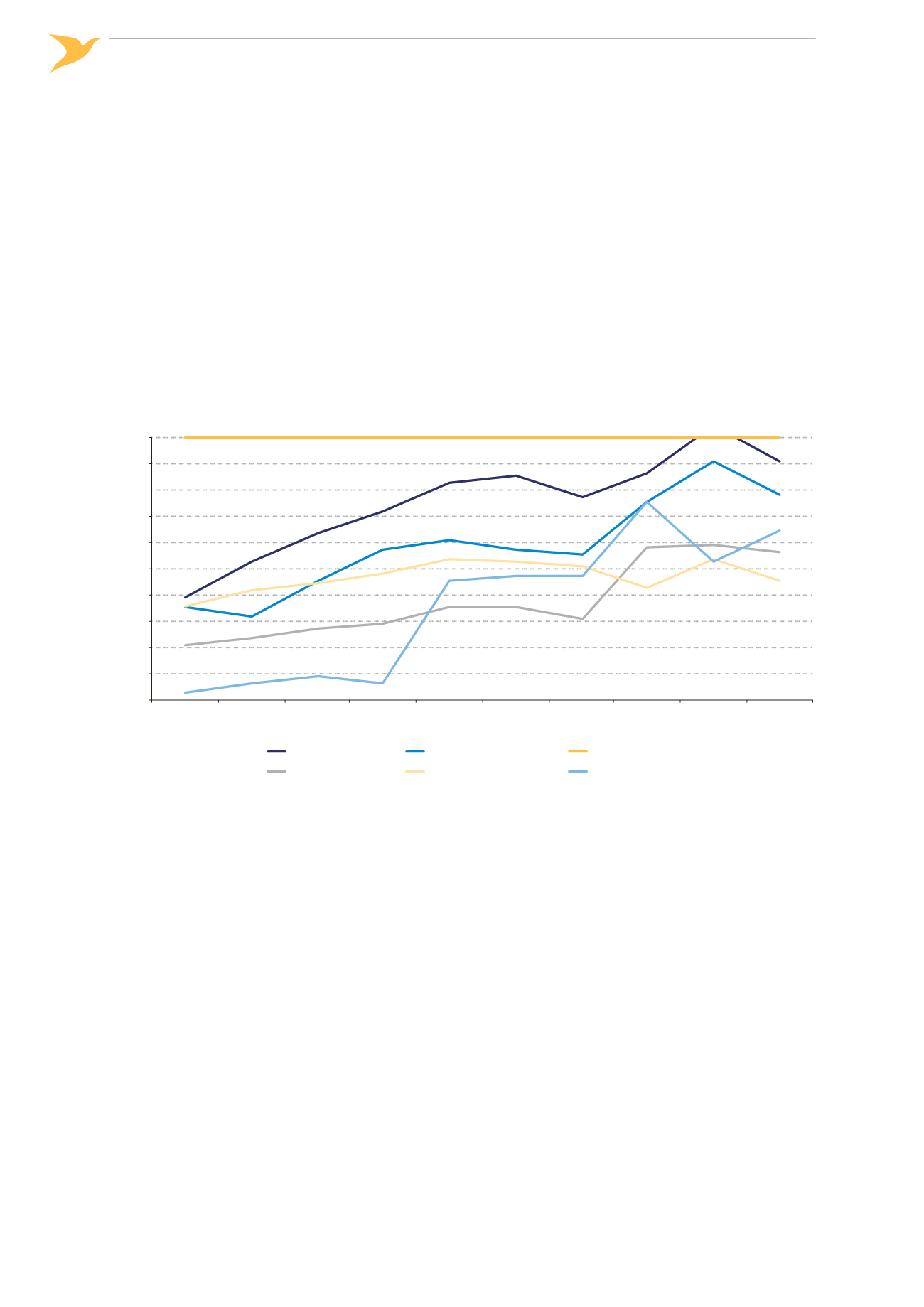
Figure 64 provides information on use of attribute fields related to air navigation services. In this instance,
the ATS Unit Name attribute field was taken as a reference point against which the other attribute fields were
compared.
Use of the FIR/UIR Name and ATM Contribution attribute fields increased more than 60% over the ten‑year
period 2005-2014 rising from three percent in 2005 to 65% in 2014 and from 38.9% in 2005 to 90.9% 2014 re‑
spectively. Important changes were noticed also in Airspace type and Airspace class attribute fields rising from
20.6% to 56.6% in 2014 and from 35.8% in 2005 to 45.5% respectively in 2014.
´
´
Figure 64:
Usage trends within the ECR of R376/2014 air navigation services
related data fields
0%
10%
20%
30%
40%
50%
60%
70%
80%
90%
100%
2005
2006
2007
2008
2009
2010
2011
2012
2013
2014
ATM contribution
E ect on ATM services
ATS unit name
Airspace type
Airspace class
FIR/UIR name
Conclusion
Although it can been seen that there has been an increase in the use of most of the mandatory attribute fields
over the ten‑period 2005-2014 there is still room for significant improvement. The implementation of Regula‑
tion (EU) 376/2014 in November 2015 will introduce the requirement for reporting organisations and individuals
to provide mandatory data. Undoubtedly the existence of such a large number mandatory fields as laid down in
Regulation (EU) 376/2014 will in part stimulate work in this area. There are however other data quality aspects
that will need to be addressed. This is particularly relevant when considering further improvements to standard‑
ised coding. EASA will seek the assistance of the Network of Analysts to extend this improvement work to the
EASA MS. Improving data quality will directly benefit safety as it will permit more detailed and reliable analyses
to be performed. This is essential when one considers that the data in question needs to support the safety risk
management process that underpins the EASp. It must be remembered that improving data quality can only be
achieved in a cooperative manner. As the ECR continues to improve, the task of analysing the data within it will
fall to the European Network of Aviation Safety Analysts (NoA) This group brings together the safety analysis
teams from the competent authorities of the EASA MS. The value of augmenting accident and serious incident
data with incident data from the ECR will bring enormous benefits to the identification of safety issues. Every oc‑
currence report is important and the establishment of Just Culture principles in the new Regulation will help to
protect anyone who reports occurrences further.